Wiring & Circuits 101: Understanding Your Home’s Electrical Infrastructure
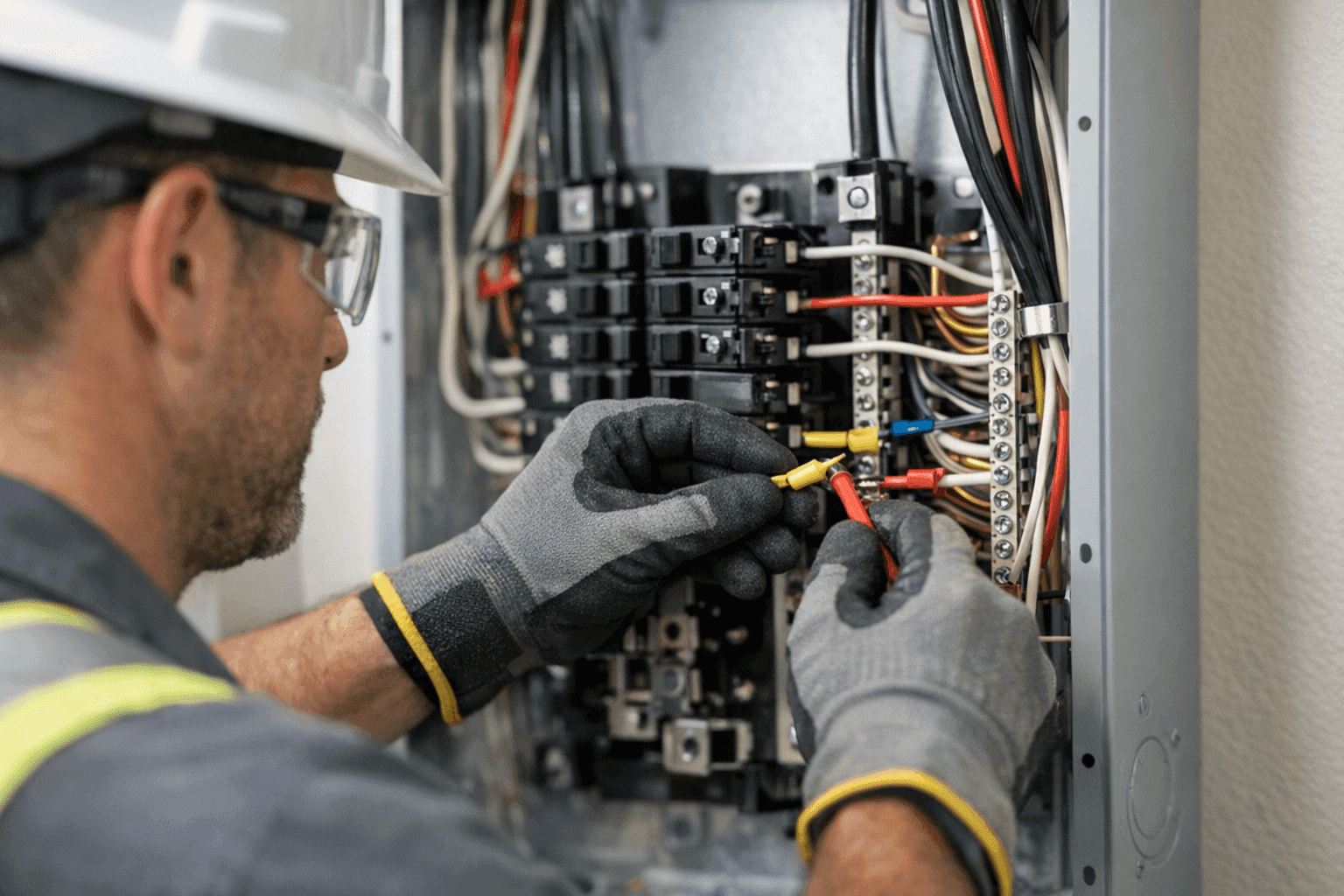
Is your home’s electrical wiring a mystery? You’re not alone. Most people only think about their wiring and circuits when something goes wrong—a blown fuse, a flickering light, or a tripped breaker. But understanding your electrical infrastructure is the first step toward a safer, more reliable home or business.
At TXC Electric, we know that knowledge is power. Your safety matters, and so does your peace of mind. Let’s take a closer look at the basics that every homeowner and property manager should know.
What Are Electrical Circuits? ⚡
Think of an electrical circuit as a train track. Electricity travels in a loop, starting at your panel (the “station”), moving through wires (the “track”), and powering devices (the “train cars”) before returning. If there’s a break in the track, the train stops—just like your electricity.
- Circuit: A closed loop allowing electricity to flow.
- Load: Anything that uses electricity (lights, TVs, appliances).
- Breaker: Acts as a gatekeeper. If too much electricity tries to travel at once, the breaker “trips,” stopping the flow for safety.
Circuits keep your home organized and safe, dividing power into manageable sections. The National Electrical Code (NEC) sets standards to make sure every circuit is built to handle the right amount of power.
Types of Wiring: Know What’s Behind the Walls
Not all wiring is the same. Over the decades, materials and standards have changed. Here’s what you might find in your walls:
- Copper Wiring: The current standard. Reliable and safe.
- Aluminum Wiring: Used in homes built between the 1960s and mid-1970s. Can be a fire risk if not properly maintained.
- Knob-and-Tube Wiring: Found in homes built before 1950. Outdated and often unsafe.
Modern wiring is insulated and color-coded. Black or red wires carry power (“hot”), white is neutral, and green or bare wires are for grounding. If your wiring looks unfamiliar or damaged, it’s time to call an electrician.
Circuit Protection: Breakers & Fuses
Circuit breakers are like bouncers at a club. If the crowd gets too large (too much current), they kick everyone out (cut the power). Fuses do the same job but need to be replaced after they “blow.”
- Breaker panels are now the standard. They reset with a simple switch.
- Fuses are found in older homes. They protect circuits but require more maintenance.
Having the right size breaker for each circuit is critical. Too small, and it trips needlessly. Too large, and it can let dangerous amounts of current through, risking fires.
Quick Safety Checklist
Stay safe with these simple steps:
- Never overload outlets with too many devices.
- Replace damaged cords and plugs immediately.
- Keep water away from electrical outlets and switches.
- Install GFCIs (Ground Fault Circuit Interrupters) in kitchens, bathrooms, and outdoors.
- Schedule routine maintenance for your electrical system.
Identifying Issues: Common Signs of Trouble 👀
Electrical problems often give warning signs. Watch—and listen—for:
- Flickering or dimming lights
- Outlets that feel warm or emit a burning smell
- Frequently tripped breakers or blown fuses
- Crackling, buzzing, or sizzling sounds from walls or outlets
- Shocks when plugging in devices
If you spot any of these, don’t ignore them. Electrical issues can be serious and are a leading cause of home fires, according to the U.S. Fire Administration.
Upgrading Safely: When Is It Time?
If your home is over 30 years old, your wiring may not meet today’s safety requirements. Even newer homes can need upgrades—especially as families add more devices, EV chargers, or new appliances.
Upgrade if:
- You need more outlets or USB charging stations.
- You’re remodeling your kitchen, bath, or adding a home office.
- Your panel is full, or you still have a fuse box.
- You plan to install a pool, hot tub, or electric vehicle charger.
Upgrading wiring isn’t just about convenience—it’s about safety and code compliance. The NEC updates every three years, so what was “safe” a decade ago might not be today.
DIY or Call a Pro? When to Get Help
Some projects are fine for the handy homeowner—like changing a lightbulb or replacing a faceplate. But for anything involving wiring or circuits, it’s best to call a licensed electrician. Why?
- Mistakes can mean fire, injury, or even death.
- Electrical code is complex and always changing.
- Home insurance often requires work to be done by professionals.
TXC Electric’s team is trained to handle everything from wiring-and-circuits to panel upgrades, always following the latest code.
What to Expect When an Electrician Arrives
When you call for help, here’s what a professional electrician will do:
- Inspect your electrical panel and wiring
- Use special meters to test circuit capacity and safety
- Identify any code violations or hazards
- Recommend fixes or upgrades that fit your needs and budget
You’ll get a clearer picture of your home’s infrastructure—and a plan for making it safer.
Prevention & Maintenance: Protecting Your Investment 🛡️
Routine maintenance saves money and stress. Schedule an annual electrical safety inspection, especially in older homes. Check smoke and CO detectors, test GFCIs, and look for signs of wear.
- Clean dust from electrical panels and outlets
- Never block panel access with furniture or storage
- Keep outdoor wiring protected from weather and pests
For businesses, annual inspections are often required by local building codes. Residential customers benefit from peace of mind—and lower risk of costly emergencies.
Circuit Breakers: Your Home’s First Line of Defense
Circuit breakers aren’t just switches—they’re guardians. They protect your home from electrical overloads that can start fires. But they do wear out over time.
If your breakers trip often, or if you notice rust, corrosion, or a burning smell from the panel, call an electrician. Sometimes, the solution is as simple as tightening a screw or replacing a breaker. Sometimes, it’s time for a new panel.
Code Requirements: Why They Matter
The National Electrical Code (NEC) exists for a reason: to keep people safe. It covers everything from wire size to outlet placement, and it’s updated regularly.
- GFCIs are required in kitchens, bathrooms, garages, and outdoors.
- Arc Fault Circuit Interrupters (AFCIs) are now required in bedrooms and living spaces.
- Smoke and carbon monoxide detectors must be hardwired in many areas.
- All work should be permitted and inspected.
Ignoring code can mean failed inspections, insurance problems, and safety risks.
Common Mistakes Homeowners Make
Electrical work is tempting for DIYers, but mistakes happen:
- Using the wrong wire size
- Overfilling junction boxes
- Skipping ground wires
- Mixing up hot and neutral connections
- Hiding splices behind drywall
These mistakes are not just code violations—they’re hazards.
Costs & Time: What Should You Expect?
Every home is different. Small repairs might take an hour. Whole-house rewiring can take several days. Costs depend on the scope, materials, and access.
- Adding a new outlet: usually quick and affordable
- Upgrading a panel: more complex, but often needed for modern homes
- Whole-house rewiring: major investment, but adds safety and value
A consultation with a licensed electrician is the best way to get a clear estimate.
Timeline & Disruption: Planning Ahead
Major electrical projects can be disruptive. Expect some noise, dust, and moving furniture. Power may need to be turned off in parts of your home for hours or even a day.
Good planning makes a big difference. TXC Electric always communicates clearly and works to minimize inconvenience.
Seasonal Considerations: When to Check Your System
Extreme weather puts extra strain on your wiring. Hot summers mean more air conditioning. Winter brings space heaters and holiday lights.
- Test your circuits before plugging in high-demand devices.
- Schedule inspections in spring or fall, before peak seasons.
- Outdoor wiring needs extra attention—protect it from rain, snow, and pests.
When It’s an Emergency
Some problems can’t wait. If you smell burning, see sparks, or lose power to critical systems, call for emergency electrical service right away.
TXC Electric offers 24-hour help for urgent issues. Don’t risk your safety—help is available around the clock.
FAQ: Wiring & Circuits
Q: My lights flicker when I use the microwave. Should I worry?
A: Possibly. It could mean the circuit is overloaded or wiring is loose. Time to get it checked.
Q: Are extension cords safe for long-term use?
A: No. Use them sparingly. If you need more outlets, have them installed.
Q: How often should my electrical system be inspected?
A: Every 3–5 years, or after major renovations.
Q: Can I upgrade my own panel?
A: This is a job for a licensed electrician. It’s dangerous and must meet code.
The Professional Difference: Why Licensed Electricians Matter
A licensed electrician brings skill, safety, and code knowledge to every job. They use the right tools, follow the latest standards, and ensure everything is done right the first time.
If you’re in need of reliable Residential Services, TXC Electric is ready to help—whether it’s a small repair or a major upgrade.
Conclusion: Power Your Life Safely
Wiring and circuits are the backbone of your home. Understanding the basics helps you spot trouble, avoid hazards, and plan for the future. When in doubt, don’t risk it—call the pros at TXC Electric.
Call TXC Electric now — or reach us anytime at 855-557-6564 .