How to Troubleshoot Common Home Electrical Issues
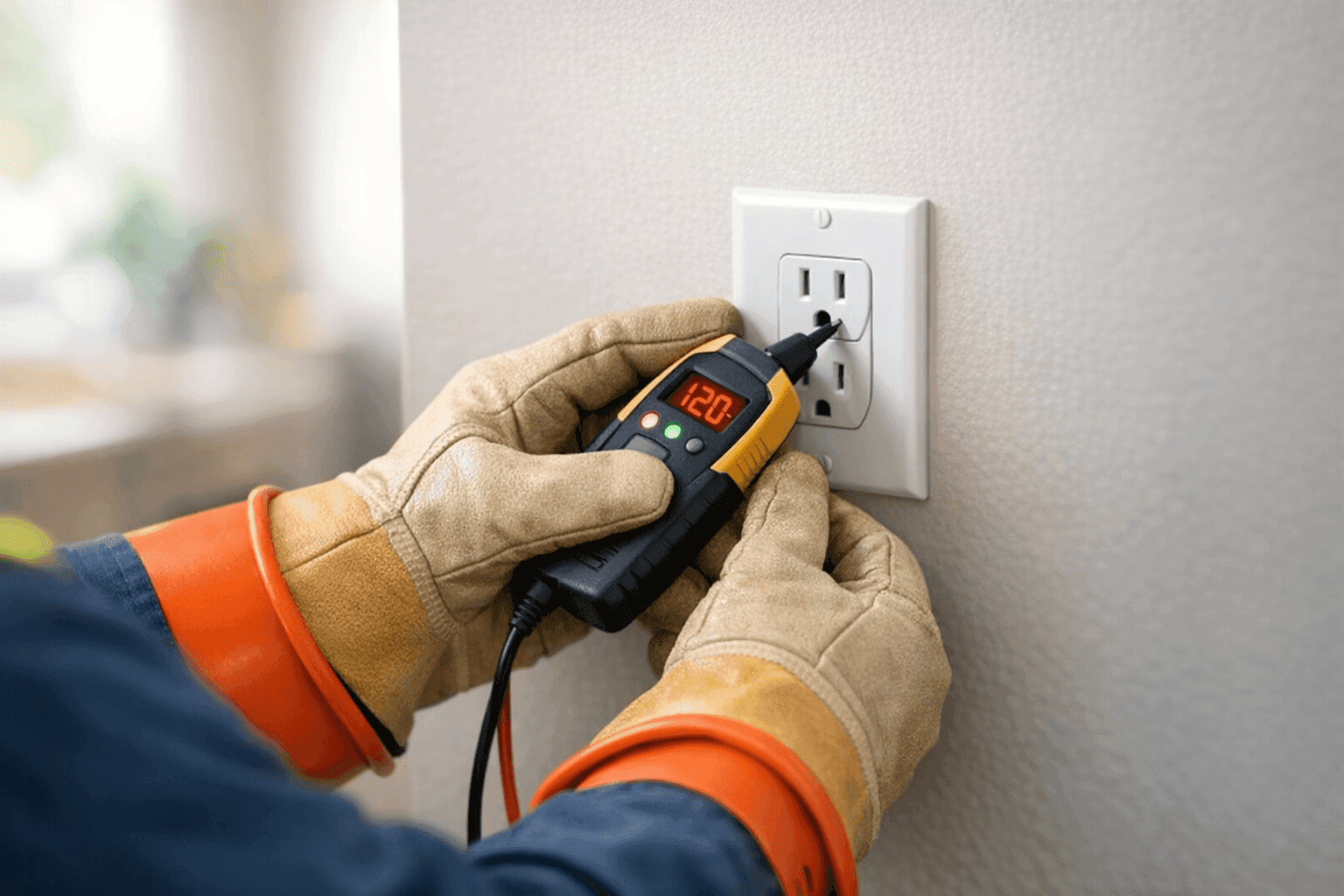
Electricity is the pulse of your home or business. When something goes wrong, it doesn’t just disrupt routines—it can raise concerns about safety and the risk of bigger issues down the line.
At TXC Electric, we understand the stress that electrical hiccups cause. That’s why we’re sharing what you need to know to handle everyday electrical issues confidently—and when it’s time to let a professional take over.
Recognizing Symptoms: The Usual Suspects ⚡
Electrical problems often show themselves in subtle ways:
- Flickering or dimming lights
- Outlets that feel warm—or don’t work at all
- Circuit breakers that trip repeatedly
- Light switches that spark or don’t respond
- Unusual buzzing or crackling sounds around outlets
Think of these as your home’s version of a “check engine” light. They’re signals, not just annoyances. Don’t ignore them.
Quick Safety Checklist: Before You Begin
Safety comes first. Every time. Before you touch anything:
- Turn off affected breakers at your electrical panel.
- Use a voltage tester to confirm circuits are off—never trust just the switch!
- Keep hands dry and stand on a dry surface.
- Remove jewelry or metallic accessories.
- If you smell burning, see scorch marks, or feel heat, stop and call a licensed electrician right away.
Refer to the National Electrical Code (NEC) and your local safety regulations if you’re unsure. No shortcut is worth a shock.
The Most Common Electrical Issues
Let’s break down what you’re likely to face:
1. Dead Outlets
A dead outlet can be as frustrating as a locked door. Causes range from a tripped breaker, a blown fuse, to a loose wire or worn-out receptacle.
First steps:
- Check if other outlets nearby work.
- Inspect your breaker panel for a tripped breaker—look for one that’s not aligned with the rest.
- Reset any GFCI outlets in kitchens, bathrooms, or outdoors.
If the outlet still won’t cooperate, this may signal wiring issues deeper in your walls. That’s a task for a pro.
2. Flickering Lights
Flickering lights can feel like a haunted house prank, but usually, it’s a loose bulb, bad socket, or an overloaded circuit.
Try this:
- Tighten or replace the bulb.
- Check if the fixture is secure.
- Notice if flickering happens when you use a certain appliance (like the microwave). That could mean your circuit is overloaded.
Persistent flickering? Call an electrician—especially if all lights in a room or your home flicker at once.
3. Frequently Tripped Breakers
Breakers trip to protect your wiring from overheating—think of them as your home’s seatbelt.
What to do:
- Unplug a few devices from the affected area.
- Reset the breaker by flipping it fully off, then on.
- If it trips again, or trips immediately, stop. There may be a short circuit or ground fault.
This is not a problem to ignore. Recurring trips need professional fault finding.
4. Warm Outlets or Switches
Outlets and switches should never feel warm. Heat is a red flag—like smoke under your car’s hood.
Action:
- Stop using the outlet or switch.
- Turn off the circuit at the panel.
- Call for professional help.
5. Buzzing or Crackling Sounds
Electricity should be silent. Any buzzing or crackling from your outlets, switches, or breaker box is a sign of trouble—loose wiring or arcing can lead to fire.
Immediate steps:
- Shut off power to that area.
- Call an electrician without delay.
Basic Checks and Tools for Homeowners
You don’t need a toolbelt loaded with gadgets. A few basics go a long way:
- Non-contact voltage tester (for checking if wires/outlets are live)
- Screwdriver set (for faceplates or basic fixture checks)
- Flashlight (for dark corners and panels)
Never attempt:
- Opening your electrical panel beyond flipping breakers
- Removing outlet covers if you’re not sure the power is off
- Splicing or replacing wires
Stick to the surface-level checks. Leave the rest to electricians who handle electrical system installation near you every day.
When It’s Safe to DIY—And When It Isn’t
Small things? Sure. Swapping a bulb or resetting a breaker is safe for most folks.
But if you’re dealing with:
- Scorch marks, burning smells, or melted parts
- Water-damaged outlets or wiring
- Repeated breaker trips or widespread outages
- Outlets or switches that spark or sizzle
- Any situation that feels “off” or unsafe
Don’t try to be the hero. Electricity is invisible but powerful, and mistakes can be life-changing. That’s why professional fault-finding is so important for peace of mind.
Identifying Major Issues: Warning Signs You Shouldn’t Ignore 🔥
Some electrical symptoms are like flashing red lights:
- Blackened or melted outlets
- Persistent burning smell, even faint
- Lights dimming when appliances run
- Breakers that won’t reset
- Shocks when touching switches or appliances
If you notice any of these, call an electrician immediately. Fires and electrical shocks are real risks.
What Professional Electricians Do On Arrival
A seasoned electrician approaches your home like a detective at a mystery scene. Here’s what to expect:
- Careful visual inspection of panels, outlets, and wiring
- Use of voltage testers and diagnostic equipment to trace faults
- Testing of circuits under load to spot hidden problems
- Clear explanations of findings and next steps
This isn’t guesswork. It’s a methodical process designed to keep your home or business safe.
Prevention & Maintenance: Keeping Your System Healthy
The best electrical problems are the ones you never have.
Simple ways to protect your system:
- Don’t overload outlets or extension cords
- Replace worn-out cords and plugs
- Schedule regular residential services for inspections
- Test GFCI and AFCI devices monthly (they usually have a “Test” button)
- Upgrade old wiring, especially in homes built before 1980
- Install whole-house surge protection if you have sensitive electronics
The Electrical Safety Foundation International (ESFI) offers guidelines for home safety—well worth a read.
Costs, Time, and Disruption: What to Expect
Most minor repairs (like a faulty outlet or switch) can be fixed in under an hour. Larger jobs—rewiring, panel replacement, or major troubleshooting—may take a few hours to a full day, depending on the complexity.
Remember, safety and code compliance are not areas to cut corners. A quick fix now can prevent far more expensive repairs (and headaches) later.
When It’s an Emergency: Acting Fast
Call for emergency electrical help if:
- There’s smoke, sparking, or fire
- You smell burning plastic or rubber
- Power loss affects critical systems (like medical devices or refrigeration)
- You feel tingling or shocks from outlets or appliances
Shut off your main breaker and exit the area if you suspect fire. Then call 911, followed by your electrician.
Common Mistakes Homeowners Make
- Ignoring tripped breakers or persistent flickering
- Overusing extension cords for permanent power
- “Fixing” outlets or switches without proper testing
- Painting over outlets or electrical covers (paint can hide signs of trouble)
When in doubt, ask. A quick call can save a lot of trouble.
Frequently Asked Questions
Q: Do I need to upgrade my panel if breakers trip often?
A: Maybe. Frequent trips can be a sign of overloaded circuits, faulty breakers, or outdated panels. An electrician can assess whether you need a repair or an upgrade.
Q: Can I replace outlets myself?
A: Only if you’re comfortable with safety steps and your local code allows it. Otherwise, hire a licensed electrician.
Q: Why do my lights flicker when the AC turns on?
A: Large appliances draw a lot of power when starting. If flickering is severe, your circuits may be overloaded or undersized.
Q: What’s considered an electrical emergency?
A: Smoke, burning smells, visible arcing, or loss of power to critical systems are all emergencies.
Seasonal Considerations: Weather and Electrical Woes
Storms, heatwaves, and winter freezes can all impact your home’s wiring. After storms, check for water intrusion near panels and outlets. In summer, overloaded circuits are common with AC and pool equipment running.
Consider surge protection to guard against lightning or grid surges.
Timeline and Disruption During Repairs
Most repairs are quick and cause minimal disruption. For major work, your power may be off for several hours. A good electrician will always inform you ahead of time and minimize downtime.
Materials & Equipment: Know What’s in Your Home
If your home is older, you may have aluminum wiring, outdated panels, or two-prong outlets. Modern safety standards recommend upgrades for these issues.
Before starting any project, know your system’s age and layout. Your electrician can help you make a plan.
Red Flags for Calling a Pro
- You’re uncertain about any step
- Tools reveal “hot” wires where there shouldn’t be any
- Repairs don’t resolve the issue
- You notice any burning, buzzing, or heat
When in doubt, reach out to TXC Electric. We’re here for residential and commercial electrical system installation near you.
For those in need of reliable electrician services, including those in Kearny, our team is always available for thorough repairs and safety checks.
Call TXC Electric now — or reach us anytime at 855-557-6564 .