Electrical System Installation: Step-by-Step Guide for Homeowners
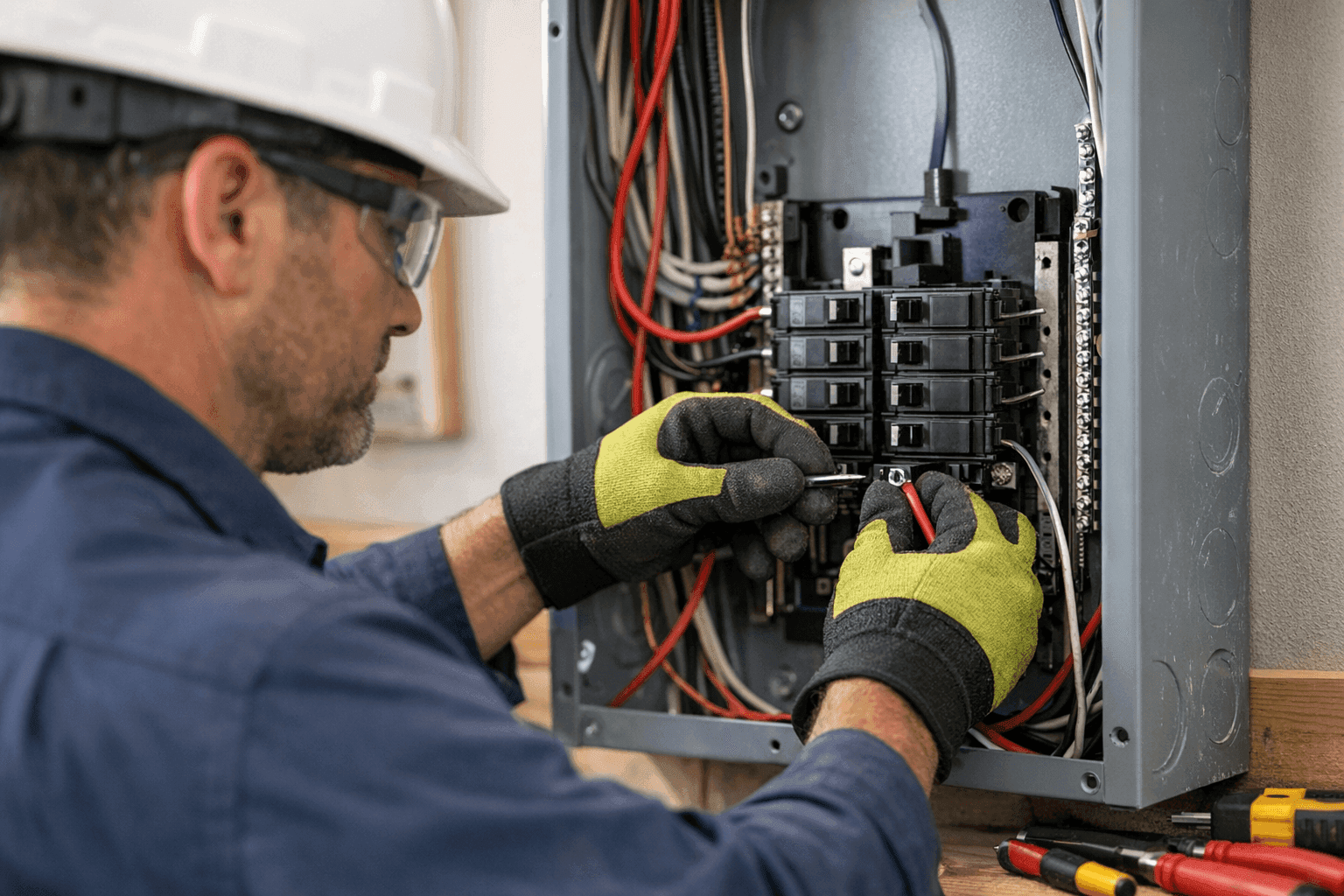
Electrical work in your home isn’t just about swapping bulbs or plugging in a new toaster. It’s about peace of mind. A safe, reliable electrical system keeps your family secure and your property running day and night. But where do you start when the wiring seems like a maze?
At TXC Electric, we know the questions and concerns that come up when tackling electrical system installation. Whether you’re building, remodeling, or updating, here’s the practical, step-by-step guide every homeowner should read before flipping a single breaker.
Understanding Electrical System Installation
Modern homes depend on a web of wires, panels, and circuits—like the nervous system of a living thing. Electrical system installation is more than just connecting wires; it’s about distributing power safely to every corner, every light switch, and every device in your home.
Every project—big or small—should follow the National Electrical Code (NEC). This isn’t just red tape; it’s the rulebook for keeping your home and family safe.
Why does code compliance matter? Because shortcuts can lead to headaches, hazards, and expensive fixes down the road. Faulty wiring is a leading cause of house fires. Sticking to the code is the surest way to protect your investment.
Tools and Materials Needed 🧰
Before you begin, gather the essentials. Having the right tools is like having a reliable flashlight in a dark attic—nothing works without it.
Basic Tools:
- Voltage tester or multimeter
- Wire strippers and cutters
- Screwdrivers (flat and Phillips)
- Fish tape (for pulling wires through walls)
- Electrical tape
- Pliers (needle-nose and lineman’s)
- Drill and bits
- Hammer
Common Materials:
- Electrical wire (type and gauge per project)
- Electrical boxes (metal or plastic, sized to code)
- Circuit breakers or fuses
- Outlets, switches, and covers
- Wire nuts and connectors
- Mounting brackets
Safety Gear:
- Insulated gloves
- Safety glasses
- Non-conductive ladder
Step-by-Step Installation Process
Let’s walk through the general process. Each step is critical. Skip one, and it’s like leaving a window open in a rainstorm.
1. Plan the Layout
Start with a detailed plan. Know where outlets, switches, and fixtures will go. Check local code requirements—many cities require a certain number of outlets per room and specific circuits for kitchens or bathrooms.
2. Turn Off Power
Safety first. Flip the main breaker off before touching any wiring. Double-check with a voltage tester—never trust the switch alone.
3. Install Electrical Boxes
Secure the boxes in the walls at the right height. Use a level so switches and outlets don’t end up crooked.
4. Run the Cables
Measure, cut, and string wires from the panel to each box. This is where fish tape shines, helping you pull wires through tight spots. Secure cables with staples—don’t crush them.
5. Make the Connections
Strip wire ends and connect to outlets, switches, or fixtures. Match colors: black (hot), white (neutral), green or bare (ground). Use wire nuts and electrical tape for secure, code-compliant joins.
6. Connect to the Panel
Only if you’re qualified. This step involves connecting new circuits to your electrical panel—essentially the heart of your system. Double-check breaker sizes and labeling.
7. Test Everything
Before finishing walls, power on and test every outlet, switch, and fixture. Fix any issues while wires are still accessible.
8. Final Inspection
If your project requires permits (most do), call your local inspector. Passing inspection means your work is safe and up to code.
Safety Precautions for Home Electrical Work ⚡
Electricity is invisible—but its dangers are not. Even a “simple” job can bite if you’re not careful.
Quick Safety Checklist:
- Always turn off power at the panel.
- Use insulated tools.
- Test wires before touching.
- Never work alone—someone should be able to call for help if needed.
- Don’t overload circuits; follow NEC recommendations.
- Replace any damaged wires or parts immediately.
Remember: Water and electricity never mix. Avoid working in damp or wet conditions.
Common Mistakes Homeowners Make
Even with the best intentions, it’s easy to trip up. Here are the missteps TXC Electric sees most:
- Overfilling boxes (not enough space for wires)
- Using the wrong wire gauge
- Forgetting the ground wire
- Not securing cables properly
- Ignoring local permit requirements
- Skipping GFCI outlets in kitchens, bathrooms, or outdoors
Avoiding these mistakes can prevent headaches, future repairs, and safety hazards.
When to Hire a Pro
Some electrical projects are perfect for the DIY enthusiast. But others? Not so much. If you’re ever unsure, stop and call a licensed electrician.
Call a professional if:
- You’re adding new circuits to your panel
- There’s aluminum wiring in your home (requires special care)
- You’re unsure about local code requirements
- The project involves water (pools, spas, bathrooms)
- You see sparks, hear buzzing, or smell burning plastic
TXC Electric offers Electrical System Installation for both residential and commercial properties. For complex projects, it’s safer (and often cheaper) to let a skilled electrician handle it.
What to Expect When a Pro Arrives
Expect a thorough approach: inspection, planning, and clear communication. A professional will review your needs, check your current system, and explain code requirements. You’ll get an estimate and a realistic timeline, so you know exactly what to expect.
Prevention & Maintenance Tips
Don’t wait for a flickering light to signal trouble. Regular maintenance keeps your system healthy:
- Schedule yearly safety inspections
- Check for loose outlets or switches
- Replace outdated panels and breakers
- Install surge protection
- Test smoke and carbon monoxide detectors monthly
These small steps help catch small issues before they become big problems.
Electrical System Installation Costs & Time Factors
Budget and timeline depend on your project’s size and complexity. A new build or major remodel takes longer than swapping out a few outlets. Material costs fluctuate, especially for copper wire. Permits and inspections can add a few days (and dollars), but they’re worth every cent for peace of mind.
Signs of Trouble: When It’s an Emergency 🚨
If you notice any of these, call for help immediately:
- Burning smell near outlets or panel
- Repeated breaker trips
- Outlets hot to the touch
- Flickering or dimming lights throughout the house
Electrical emergencies are like thunderstorms: sudden, dangerous, and unpredictable. Don’t wait—reach out to a professional right away.
Timeline & Disruption: What Homeowners Should Know
Most residential electrical system installations take anywhere from a day to a week. Expect some disruption—walls may need to be opened, and power could be off for several hours. Plan ahead, especially if you have sensitive electronics or require power for medical equipment.
Seasonal Considerations
Extreme temperatures can impact installation. Summer heat or winter cold may slow progress or require special precautions. Plan major projects for milder weather when possible.
Frequently Asked Questions
Q: Do I need a permit for electrical work?
In most cases, yes. Local ordinances and the National Electrical Code require permits and inspections for most projects.
Q: Can I install my own panel or breakers?
This is a job for a licensed electrician. Panels and Breakers are critical safety components.
Q: How do I know if my wiring is outdated?
If your home is over 40 years old, schedule an inspection. Look for cloth-wrapped wires, fuse panels, or frequent breaker trips.
Q: What should I do if I’m not sure where to start?
Contact a local electrician for a safety inspection and personalized recommendations.
Code Compliance: Why It Matters
The National Electrical Code (NEC) is the gold standard. Following it isn’t optional—it’s required by law and enforced by local inspectors. Always check your city’s requirements, and don’t cut corners. For authoritative references, see the National Fire Protection Association (NFPA) and your local building department.
Connecting with the Right Electrician
Ready to get started—or realize you’re in over your head? TXC Electric is here for you. Whether you need new wiring, a panel upgrade, or just a quick safety check, our team delivers quality you can count on. For those searching for Residential Services or Panels & Breakers in the Concord area, our electrician company in Concord is ready to help.
Call TXC Electric now — or reach us anytime at 855-557-6564 .