What Are Low Voltage Systems? A Complete Overview
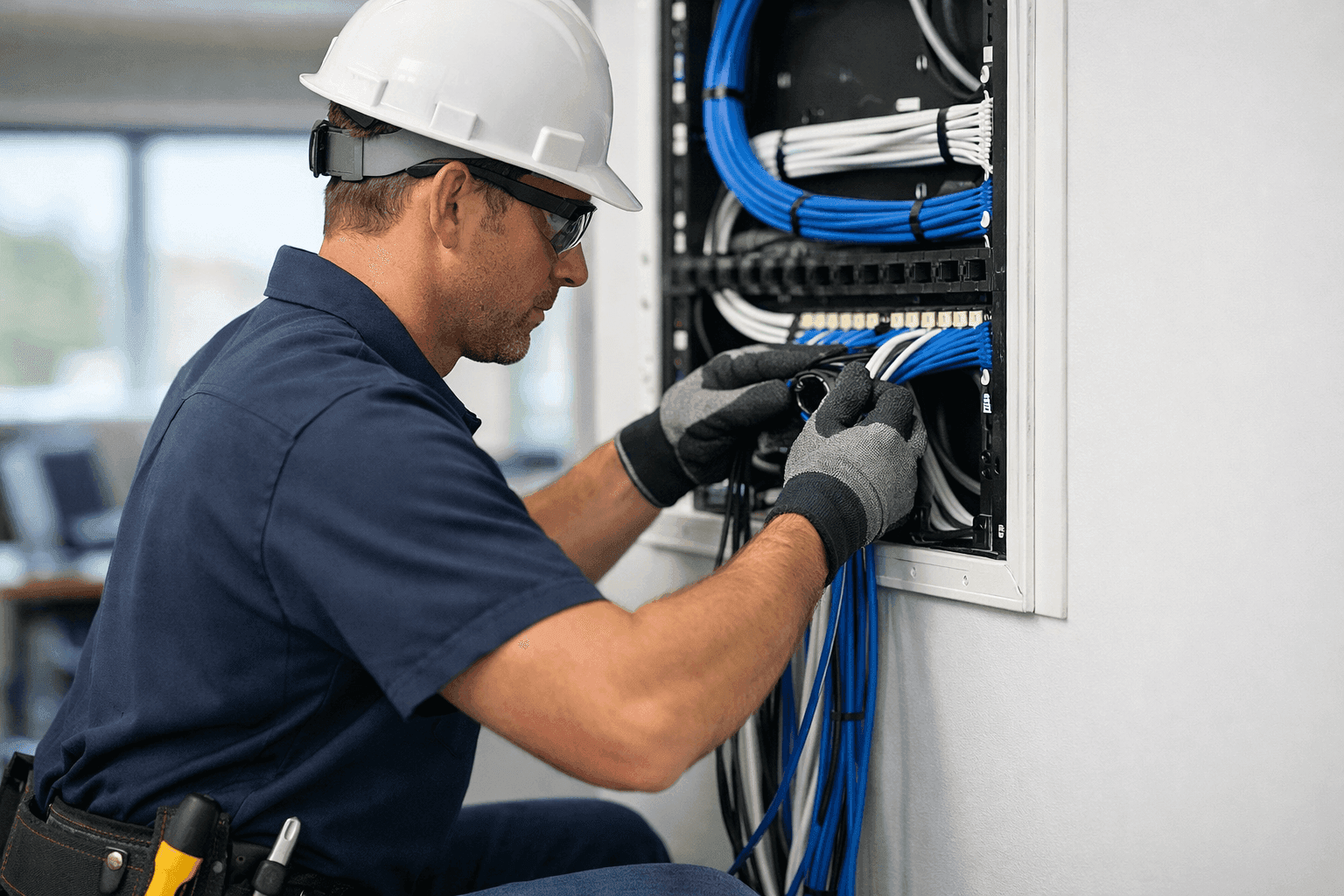
Is your home packed with blinking lights, speakers, cameras, and tangled cords? Or maybe your business relies on a web of computers and security. Low voltage systems are quietly working behind the scenes, keeping everything connected and secure. But what exactly are they? And when does a project call for a licensed electrician?
Let’s pull back the wall plate and see what’s really powering your smart world.
What is a Low Voltage System? 🔌
Low voltage systems use less electrical energy than your average outlet or appliance. Think of them as the gentle streams flowing alongside the main river of your building’s power. In most settings, “low voltage” means anything under 50 volts. Compare that to the 120 or 240 volts running your stove or dryer.
You’ll find low voltage wiring handling:
- Data (internet, phones)
- Security alarms and cameras
- Intercoms and doorbells
- Audio and surround sound
- Smart lighting
Because they run cooler and safer, these systems are often installed in walls, ceilings, or even underground—wherever quiet, reliable communication is needed.
Common Uses: Where Low Voltage Shines
Low voltage systems are the backbone of modern life. Some everyday examples:
- Wi-Fi and Data Networks: Every time you stream a movie or send an email, low voltage cabling carries the signal.
- Security & Surveillance: Door sensors, motion detectors, security cameras—all depend on low voltage wiring.
- Audio & Speakers: Home theaters and office sound systems use low voltage lines for crystal-clear sound.
- Smart Lighting: Automated LED strips, pathway lights, and dimmer-controlled fixtures.
In commercial spaces, these systems often run in tandem with critical infrastructure—think conference room AV setups, access control, and even fire alarm systems.
Installation and Upgrades: What to Expect
Upgrading or installing low voltage systems isn’t just about plugging in a cable. It’s a careful dance:
- Planning the Pathways: Mapping routes through walls, attics, or ceilings.
- Choosing the Right Cable: CAT6 for high-speed data, shielded lines for security, or specialized audio cables.
- Safe Termination: Ensuring connections are firm, neat, and protected from interference.
- Labeling Everything: So future repairs don’t become a guessing game.
Professional electricians like those at TXC Electric ensure every step meets local and national electrical codes. For new builds or major renovations, you’ll want to work with someone who understands both design and code compliance.
Internal link example: For more details on how we handle Phone, Internet & Data Cabling, see our dedicated service page.
Quick Safety Checklist 🛑
Low voltage doesn’t mean no risk. Here’s what to remember:
- Never mix low and high voltage wiring in the same box (per National Electrical Code).
- Always turn off power before working—yes, even for “just” a doorbell!
- Secure all cables from sharp edges and water exposure.
- Use plenum-rated cable in air-handling spaces for fire safety.
- Hire a licensed electrician for installations in commercial or critical locations.
DIY vs. Call a Pro: When to Reach for the Phone
Some projects—like swapping a doorbell chime—are within reach for handy homeowners. But when the job grows, so do the risks:
- Complexity: Large smart home systems, security, or networking need careful planning.
- Building Codes: Local codes are strict about fire alarms, data wiring, and safe terminations.
- Insurance: Many policies require licensed work for liability.
For most upgrades, it’s smart to call in an electrician experienced in low-voltage systems. That way, you get peace of mind—and a system built to last.
What Pros Do On Arrival
When our electricians arrive, they don’t just start running wires. Here’s what happens:
- Assessment: Review plans and inspect existing wiring.
- Testing: Identify faults, verify connections, and check for interference.
- Installation: Route cables, mount devices, label and test.
- Code Check: Verify every step meets the latest NEC and local amendments.
- Cleanup: No dust, no mess—just a system ready to use.
Prevention & Maintenance: Keep Systems Running Smoothly
Like any electrical system, low voltage wiring needs care:
- Annual checks: Look for damaged insulation, loose connections, or frayed cables.
- Keep it dry: Moisture is the enemy of reliable signals.
- Label everything: It saves big headaches during future repairs.
- Upgrade as needed: Today’s “fast” network may be tomorrow’s bottleneck.
Regular inspections by a qualified electrician help prevent hidden faults—especially in older buildings.
Costs & Time Factors
Budgeting for low voltage work? Costs depend on:
- Size of the system: A single speaker is simple. Whole-home automation or office wiring is more complex.
- Materials: High-quality, shielded, or plenum-rated cables cost more—but increase safety and longevity.
- Access: Finished walls or hard-to-reach spaces take longer.
Most straightforward jobs (like adding a few data ports) can be done in hours. Larger systems may take days, but well-planned work minimizes disruption.
When It’s an Emergency
Low voltage systems rarely present the dramatic emergencies of high voltage—no smoking outlets or burning wires. But:
- Security systems: If cameras or alarms fail, your property may be at risk.
- Network outages: Phone or internet downtime can be critical for businesses.
- Fire alarms: Any fault is an urgent issue—call immediately.
If you’re unsure, never hesitate to call for 24 hour service from a licensed electrician.
FAQ: Common Low Voltage Questions
Do low voltage systems save energy?
Yes—LED lighting and efficient communications wiring use less power, saving on bills.
Can I combine low and high voltage in one conduit?
No. The National Electrical Code (NEC) requires separation for safety and performance.
Are there special codes for commercial installs?
Yes—NFPA, NEC, and local amendments may require permits, inspections, and specific cable types.
What about wireless?
Even wireless networks need hardwired backbones for reliability and speed.
Seasonal Considerations 🌦️
Extreme temperatures, humidity, or pests can all damage low voltage wiring—especially outdoors or in attics. Each season brings its own challenges:
- Spring/Summer: Check for rodent damage or water leaks.
- Fall: Inspect outdoor lighting and security before early nightfall.
- Winter: Ensure all connections are protected from condensation or freezing.
Common Mistakes to Avoid
- Skipping permits for major work.
- Using unshielded cable near power lines—causing interference.
- Overloading a system with too many devices.
- Forgetting to label connections.
- Ignoring code updates for safety.
Signs of Trouble
Watch for:
- Flickering or unresponsive devices.
- Intermittent network drops.
- Buzzing or humming from speakers.
- Warm or discolored wall plates (rare, but serious).
If you spot these, schedule an inspection with a licensed electrician company right away.
Timeline & Disruption: What to Expect
Most installations are fast and tidy. Our team works to minimize dust, noise, and downtime. For larger jobs—like full office rewires—we’ll coordinate with your schedule to keep business running.
Materials & Equipment: What’s Under the Hood
- CAT5e/CAT6 data cabling for phones and internet.
- Coaxial cable for TV and video.
- Speaker wire for audio.
- Specialized security and fire alarm cabling.
- Junction boxes, termination panels, and labeling systems.
Everything must meet UL listing and NEC standards for safety.
Electrical System Design: Planning for the Future
A well-designed low voltage system is like a roadmap for your building’s technology. Think ahead:
- Where will you need extra data ports?
- Are you planning security upgrades?
- Is your lighting system ready for automation?
Future-proofing now saves time and money down the road.
Safety and Code: The Non-Negotiables ⚠️
It all comes back to safety. The National Electrical Code (NEC), ANSI, and state guidelines exist for a reason. Compliant wiring:
- Prevents fire hazards.
- Protects your devices from surges and interference.
- Keeps your insurance valid.
- Ensures easy upgrades and repairs.
Always work with a licensed electrician. For businesses, code violations can mean costly downtime and fines.
For readers in the area, our electrician services are available for all your low voltage needs, from planning to emergency repairs.
The Bottom Line
Low voltage systems are the silent heroes of modern living. They keep families connected, businesses secure, and entertainment flowing. Whether you’re considering an upgrade or troubleshooting a problem, it pays to work with a professional.
Call TXC Electric now — or reach us anytime at 855-557-6564 .