Top 10 Electrical Safety Tips for Families
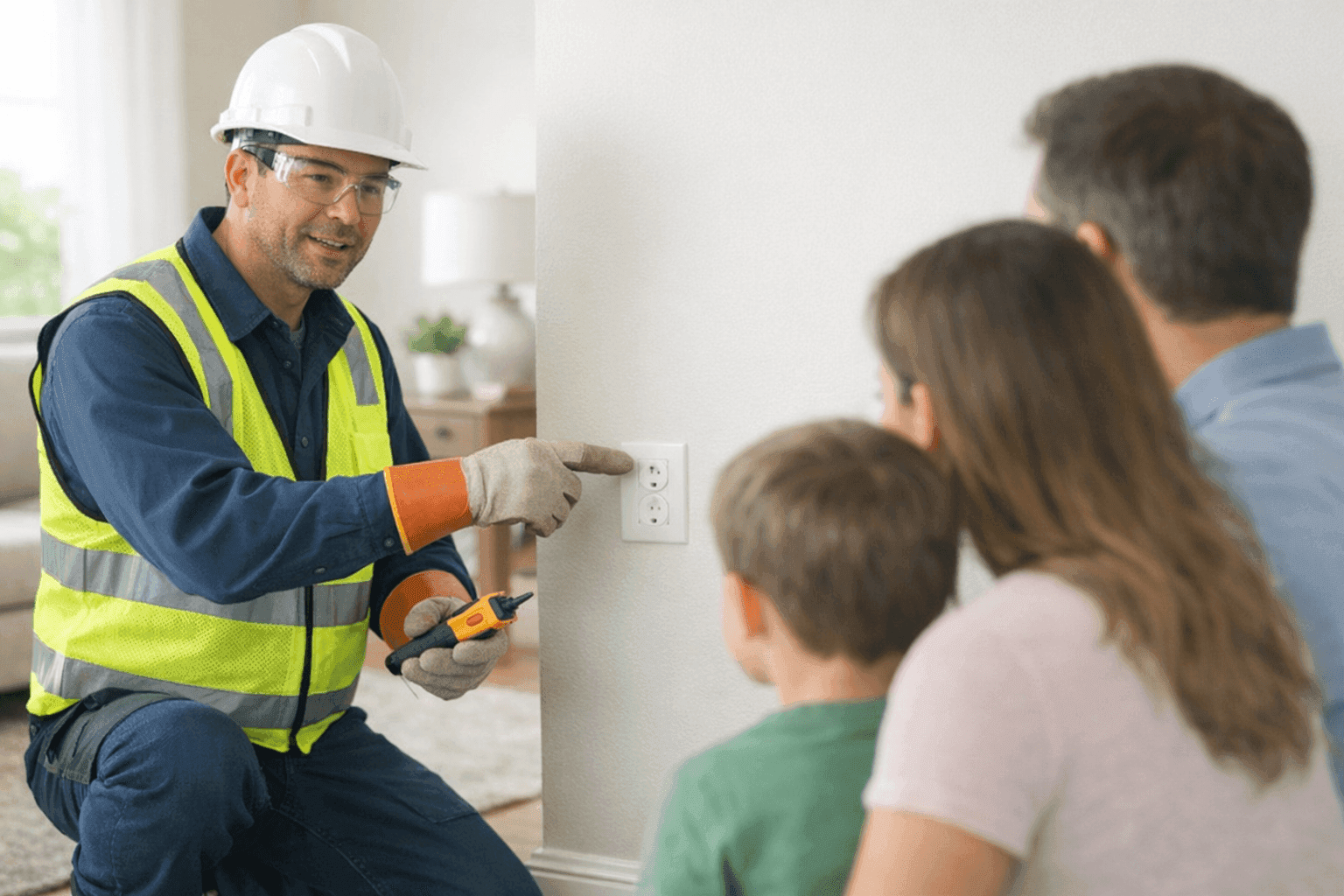
Is your home as safe as you think it is? Electricity is the silent workhorse in every house, but it can also be the hidden danger. Every light switch, every outlet, even your favorite gadgets—all rely on wiring that needs regular attention. At TXC Electric, we see every day how small steps can prevent big problems.
Our electricians have helped families and businesses avoid risky accidents and expensive repairs. Here’s how you can keep your home safe and sound—starting today.
Why Electrical Safety Matters ⚡
Imagine your home's electrical system as the veins and arteries of your house. When everything flows smoothly, you barely notice it. But one weak link—a damaged cord, an overloaded outlet—can quickly turn into a serious hazard. According to the National Fire Protection Association (NFPA), electrical failures or malfunctions are a leading cause of home fires in the US.
Staying alert and proactive isn’t just smart—it protects your loved ones, your pets, and your home’s future value.
1. Don’t Overload Outlets
Each outlet is like a sturdy bridge. Stack too many cars on it and eventually, something gives. Plugging in too many devices can overheat wiring, start fires, and damage your electronics. Use surge protectors where needed, and never daisy-chain extension cords.
- Rule of thumb: Only one heat-producing appliance (like a toaster or space heater) per outlet.
- Power strips help, but even they have limits. Check the manufacturer’s instructions.
2. Inspect Cords for Damage
Frayed cords are ticking time bombs. Even a tiny nick in the insulation can cause shocks or spark a fire. Check cords on lamps, chargers, and appliances regularly. If you spot any wear, replace the cord or the device—never try to tape it up.
- Don’t run cords under rugs or furniture; they can overheat or get damaged without you noticing.
3. Keep Water and Electricity Apart
Everyone knows water and electricity don’t mix. But it’s easy to forget when you’re charging a phone in the bathroom or using appliances near the kitchen sink. Keep all electrical devices away from sinks, tubs, and wet counters.
- Install Ground Fault Circuit Interrupters (GFCIs) in bathrooms, kitchens, and laundry rooms. They can save lives by shutting off power instantly if a problem is detected.
4. Teach Kids Electrical Safety 👨👩👧👦
Curious kids are quick to poke things where they shouldn’t. Make sure children know that outlets, cords, and electrical panels are off-limits. Use outlet covers or tamper-resistant outlets to keep tiny fingers safe.
- Store cords for devices like irons or hair dryers out of reach.
- Teach children to never touch appliances with wet hands.
5. Don’t Ignore Flickering Lights or Warm Outlets
A flickering light isn’t just annoying—it could be a sign of loose wiring or overloaded circuits. Outlets or switches that feel warm to the touch? That’s a red flag.
- Contact a licensed electrician if you notice these warning signs. They can check your system and make safe repairs.
6. Use Appliance Safely
Follow the manufacturer’s instructions for all appliances. Don’t yank cords from the wall—grip the plug instead. Unplug small appliances when not in use, and never use a device with a damaged plug or cord.
- Large appliances like refrigerators and washers should be plugged directly into wall outlets, not extension cords.
7. Install Smoke and Carbon Monoxide Detectors
Smoke detectors are your home’s early warning system. Carbon monoxide detectors are equally important, especially if you use gas appliances. Test alarms monthly, replace batteries every six months, and replace the units every 7–10 years or as directed.
- Place detectors on each floor and outside sleeping areas.
8. Schedule Regular Safety Checks
Even if everything seems fine, hidden problems can lurk behind the walls. A professional electrical safety check is like a doctor’s checkup for your house. Licensed electricians can spot trouble before it turns dangerous.
- Book a Safety Check every few years, especially if your home is over 20 years old or you’re planning major renovations.
- Ask about Electrical Safety Inspections for a thorough review.
9. Use Surge Protection
Lightning storms or power surges can fry electronics and start fires. Whole-house surge protectors offer a shield for your home’s wiring and sensitive devices. At a minimum, use surge protector strips for valuable electronics.
- Talk to your electrician about installing a main surge protector at your electrical panel.
10. Know When to Call an Electrician
DIY fixes are great for leaky faucets or painting walls—but electricity is a different animal. If you notice burning smells, frequent breaker trips, or buzzing sounds from outlets, don’t wait. Call an electrician right away.
- For any Electrical System Installation near you, including new outlets, rewiring, or panel upgrades, always hire a qualified pro.
Childproofing and Elder Care: Special Considerations
Children and older adults are especially vulnerable to electrical hazards. For kids, use outlet covers, keep cords tucked away, and teach them to stay clear of electrical panels. For elders, replace hard-to-reach bulbs with LEDs that last longer. Consider rocker switches instead of toggles for easier use.
- Arrange furniture to keep outlets hidden.
- Use night lights in hallways and bathrooms to prevent nighttime accidents.
- Schedule regular Residential Services checks for peace of mind.
What To Do in an Electrical Emergency 🚨
If someone is being shocked, don’t touch them directly. Turn off the power at the breaker, then call 911. For electrical fires, never use water—use a Class C fire extinguisher if safe to do so.
- Know where your main breaker is. Practice turning it off.
- Keep emergency numbers handy.
When in Doubt, Play It Safe
Electrical safety is about being aware, prepared, and willing to call for help when needed. Your home should be a haven, not a hazard. Following these tips keeps your family safe and your mind at ease.
Call TXC Electric now — or reach us anytime at 855-557-6564 .