Signs Your Home Needs Rewiring: What to Watch For
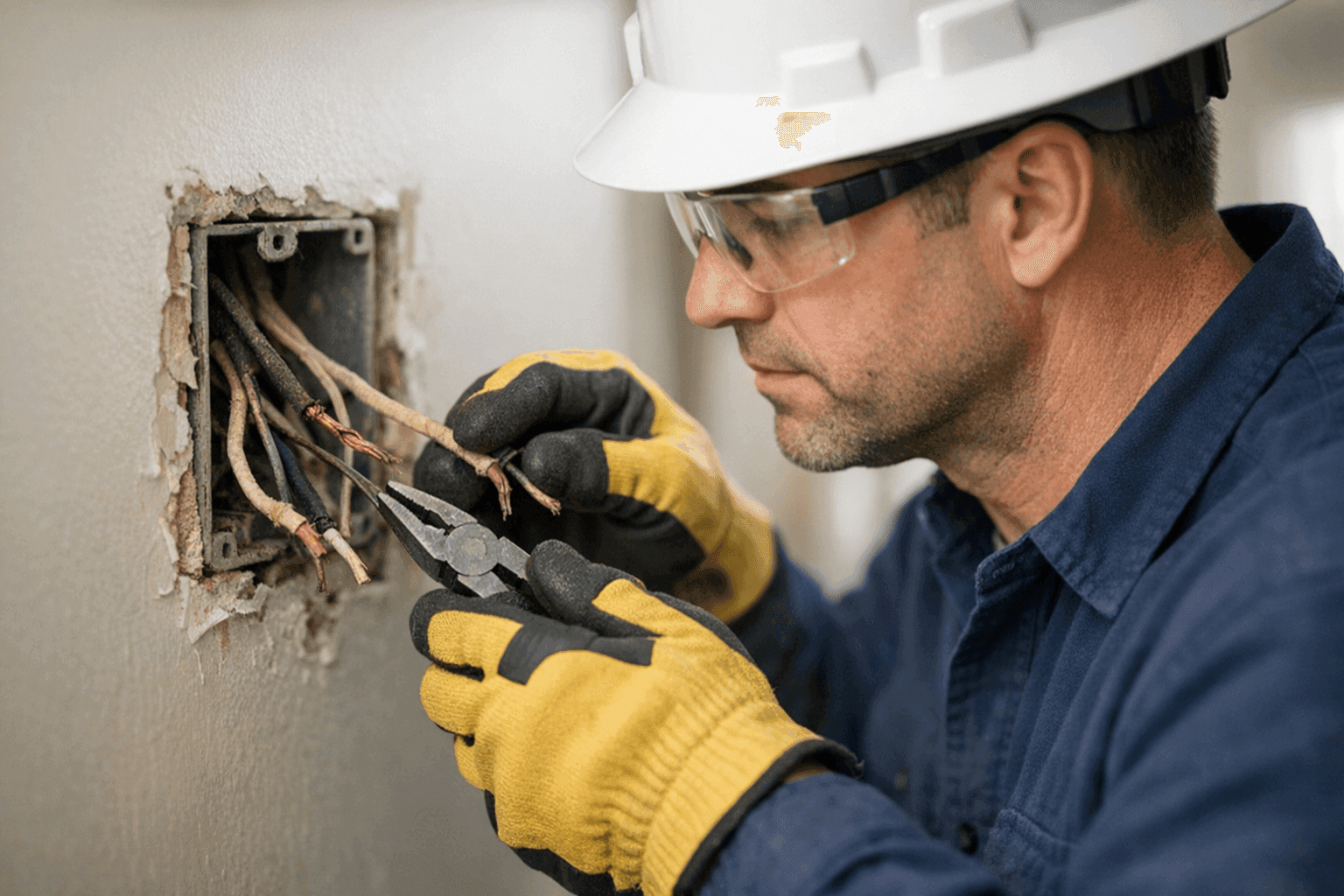
Is your home trying to tell you something? Flickering lights, a faint burning smell, or breakers that seem to trip for no reason—they aren't just annoyances. They're warning signals. At TXC Electric, we've seen how ignoring the early hints of wiring trouble can lead to big problems later on.
Electrical wiring is the unseen backbone of your home or business. When it ages, it can put your safety, property, and even insurance at risk. Let’s walk through what to look for, why it matters, and what steps to take next.
How Wiring Ages: The Hidden Timeline
Wiring isn’t immortal. Like the pipes in your walls or the shingles on your roof, wires break down over time. The insulation gets brittle. Connections loosen. Sometimes the wire itself corrodes, especially in homes built before the 1970s.
Think of your wiring like the arteries of your building. When they clog or weaken, the whole system can falter—sometimes with dangerous results.
- Older homes: If your house was built before 1980, it might use outdated materials or methods, like knob-and-tube or aluminum wiring.
- Heavy loads: Modern appliances and electronics demand more power. Old wiring can overheat under the strain.
- Environmental factors: Rodents, moisture, and even vibrations from daily life wear away at wiring insulation.
Warning Signs in Your Home ⚡
Electrical problems rarely announce themselves with fanfare. Instead, they drop hints:
- Flickering or dimming lights
- Outlets that feel warm or are discolored
- Burning smells (especially near outlets or switches)
- Frequent tripped breakers or blown fuses
- Buzzing sounds from outlets, switches, or panels
- Sparking when plugging in or unplugging items
- Visible wear: Cracked, frayed, or chewed wires
- Two-prong outlets (no ground wire)
- Outlets or switches that don’t work
- Shocks when touching appliances or fixtures
If you notice any of these, it’s time to investigate further.
Risks of Old Wiring
Old or damaged wiring isn't just inconvenient—it can be dangerous. According to the National Fire Protection Association (NFPA), faulty wiring is a leading cause of house fires in the United States.
Problems can include:
- Fire hazards: Overheated wires ignite nearby materials.
- Electrical shocks: Poor insulation or exposed wires can zap unsuspecting hands.
- Appliance damage: Inconsistent voltage wears out your electronics.
- Insurance issues: Some insurers won’t cover homes with outdated wiring.
Wiring issues can also violate local building codes, putting you at risk of fines or trouble when selling your property.
Inspection and Testing: What Happens When You Call an Electrician
A licensed electrician brings experience and specialized tools to the job. At TXC Electric, our team follows a methodical approach:
- Visual Inspection: We check outlets, switches, panels, and exposed wiring for signs of wear.
- Testing: Using voltage meters and circuit testers, we look for hidden faults.
- Thermal Imaging: For larger buildings, we may use infrared cameras to spot overheating wires behind walls.
- Code Compliance: We compare your system to current safety standards (like those from the National Electrical Code).
Our goal? To find and address issues before they become emergencies.
Quick Safety Checklist
Want to do a quick check before calling in the pros? Here’s what to look for:
- Unusual smells (especially burning or fishy odors)
- Outlets that are loose or hot to the touch
- Switches or outlets that don’t work
- Circuit breakers that trip repeatedly
- Any visible wire damage
If you spot any of these, unplug devices from affected outlets and call an electrician immediately.
DIY vs. Call a Pro: Where to Draw the Line
Changing a light bulb is one thing. But when it comes to wiring, it’s best to leave it to the professionals. Electricity is powerful—small mistakes can have big consequences.
- DIY: Replacing faceplates, resetting breakers, changing light bulbs
- Call a Pro: Anything involving wiring, adding outlets, or fixing recurring electrical issues
Remember: Electrical work done without a permit or proper certification can void insurance and lead to dangerous results.
What Pros Do On Arrival
When the TXC Electric team arrives, we start by listening. We’ll ask about your concerns, recent issues, and the age of your home. Then, we:
- Inspect your electrical panel for signs of overheating or outdated components
- Test circuits for stability and load capacity
- Check outlets, switches, and visible wiring
- Advise on the best next steps—whether it’s targeted repairs or a full Re-wiring
Prevention & Maintenance Tips
A bit of proactive care can extend the life of your electrical system:
- Don’t overload outlets or power strips
- Schedule regular electrical safety inspections
- Replace old appliances with newer, energy-efficient models
- Keep cords and wires away from water and high-traffic areas
- Label your breaker panel for quick troubleshooting
Costs & Time Factors
Rewiring isn’t a one-size-fits-all job. Costs depend on the size of your home, the accessibility of wiring, and any upgrades needed (like new outlets or panels). While it’s an investment, it pays off in peace of mind and property value. Most homes can be rewired in a few days to a week, depending on complexity.
When It’s an Emergency
Some signs mean you should act fast. If you smell burning, see smoke, or lose power to part of your home, turn off your main breaker and call for emergency service. Don’t try to fix it yourself—let the professionals handle it safely.
Seasonal Considerations
Extreme temperatures can stress your wiring—summer air conditioners and winter heaters both draw heavy loads. Schedule inspections before peak seasons to avoid surprises.
Common Mistakes Homeowners Make
- Ignoring warning signs, hoping they’ll go away
- Using extension cords as permanent solutions
- Attempting unlicensed repairs
- Not updating wiring during renovations
Each of these can lead to bigger, more expensive problems down the road.
Signs of Trouble: Real Stories from the Field
We’ve seen it all at TXC Electric—scorched outlet covers, melted wires hidden behind drywall, even homes with aluminum wiring that sparked at the slightest touch. One thing they all had in common? Early warning signs that went ignored.
Timeline & Disruption: What to Expect
Worried about the mess? Most rewiring projects involve some drywall cutting, but a skilled electrician keeps disruption to a minimum. We’ll work with you to plan the project, protect your belongings, and restore your space when we’re done.
Materials and Equipment
Modern wiring uses copper with tough, fire-resistant insulation. We may recommend upgrades to your breaker panel, GFCI outlets, or surge protectors to bring your system up to code and enhance safety.
Frequently Asked Questions
Q: How often should I have my wiring inspected?
A: The Electrical Safety Foundation International (ESFI) recommends a full inspection every 10 years, or when adding major appliances.
Q: Will rewiring my home increase its value?
A: Yes—updated wiring is a strong selling point and may lower your insurance rates.
Q: Is old wiring always dangerous?
A: Not always, but it’s more likely to fail. Regular Electrical Safety Inspections help catch issues early.
Next Steps: Protect Your Home and Family
If your home is showing any of these signs, don’t wait. Electrical issues rarely fix themselves, and the risks only grow with time. Whether you need a full rewiring, troubleshooting, or a safety check, TXC Electric is here to help—day or night.
Call TXC Electric now — or reach us anytime at 855-557-6564 .