How to Upgrade Outdated Outlets and Switches
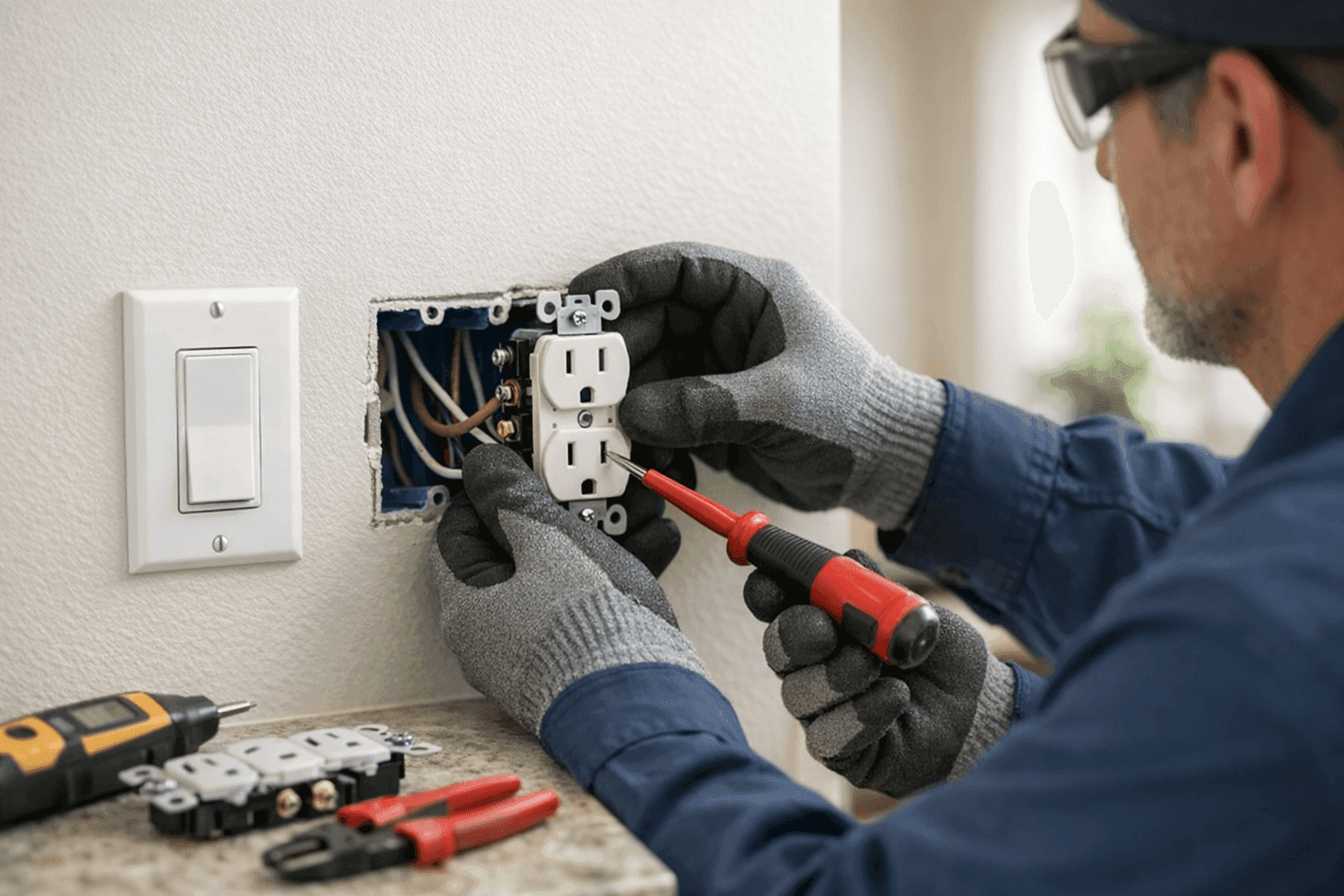
Is your home or business still running on the original outlets and switches? If they’re older than your favorite pair of jeans, it’s time to take a closer look. Electrical issues don’t always announce themselves with a spark or a pop—sometimes, the danger is silent.
At TXC Electric, we’ve seen how hidden risks can lurk in outdated wiring. Upgrading outlets and switches doesn’t just add style—it protects your property and everyone inside. Here’s what you need to know.
Why Upgrade? ⚡
Imagine your electrical system as the veins of your home or business. If those veins are clogged or worn out, the whole body suffers. Old outlets and switches can:
- Overheat, causing fire hazards
- Fail to power modern appliances safely
- Lack child safety features or surge protection
According to the National Fire Protection Association (NFPA), electrical distribution systems are a leading cause of structure fires. Upgrading isn’t a luxury—it’s a necessity for safety and peace of mind.
Safety and Style Benefits
Modern outlets and switches do more than look sharp. They’re built to meet today’s strict safety codes and blend seamlessly with smart technology.
Key benefits:
- Tamper-resistant designs: Keep curious fingers safe—now required by National Electrical Code (NEC) for most new residential installations.
- GFCI outlets: Essential for kitchens, bathrooms, and outdoor areas. They shut off power instantly if a ground fault is detected.
- USB outlets: Perfect for charging devices without bulky adapters.
- Smart switches: Control lights and fans from your phone or voice assistant.
Choosing the right models upgrades both your safety and your style.
Quick Safety Checklist Before You Start
Before you even think about unscrewing a plate, check these boxes:
- Turn off power at the breaker panel—double check with a voltage tester.
- Make sure your hands are dry and you’re standing on a dry surface.
- Read manufacturer instructions for any new outlets or switches.
- If your home predates the 1970s, beware of aluminum wiring—consult a licensed electrician before proceeding.
Taking shortcuts is like skipping the seatbelt. Don’t risk it.
How to Replace Outlets: Step-by-Step
Replacing an old outlet is like changing a tire—straightforward with the right tools, but risky if you rush. Here’s the process most electricians follow:
- Turn off the power at the circuit breaker.
- Remove the old cover plate and outlet.
- Test for voltage to confirm power is off.
- Inspect wiring: Look for signs of burning, corrosion, or brittle insulation. If you spot trouble, stop and call for help.
- Connect wires to the new outlet—matching hot, neutral, and ground precisely.
- Secure the outlet and replace the cover plate.
- Restore power and test the outlet with a plug-in tester.
If you’re handling a GFCI or tamper-resistant model, follow the manufacturer’s wiring diagram closely. Improper wiring can render safety features useless.
Switch Upgrade Steps
Switches wear out, too. Flickering, buzzing, or stuck switches aren’t just annoying—they’re signals to act. Here’s how the pros approach it:
- Shut down the correct circuit at the breaker.
- Remove the switch plate and test for voltage.
- Label wires if needed, especially on three-way or four-way switches.
- Install the new switch by connecting wires to the proper terminals.
- Attach the switch and cover plate, then restore power.
Smart switches may require a neutral wire—common in newer buildings, but not always present in older ones. Check before you buy.
Code and Testing: The Gold Standard
New outlets and switches are only as safe as their installation. The National Electrical Code (NEC) and local regulations set the bar for safety. Here’s what matters:
- GFCI outlets are required in bathrooms, kitchens, garages, and outdoors.
- Tamper-resistant outlets are standard for new residential builds.
- AFCI breakers (Arc-Fault Circuit Interrupters) may be required in living areas.
- Testing: Use a plug-in tester to confirm correct wiring. For GFCIs, test the reset and trip functions.
Always check with an electrician or your local building department for current code requirements.
DIY vs. Call a Pro
Some upgrades look simple, but even seasoned DIYers can hit snags. Here’s when to call TXC Electric:
- You find aluminum wiring or wire nuts packed with crumbling insulation.
- You’re unsure if your panel can handle new outlets or smart switches.
- You need new circuits, AFCI breakers, or panel upgrades.
If you’re just swapping a standard outlet or switch, it’s reasonable for experienced homeowners. For anything else, professional help is the safest bet.
What Pros Do On Arrival
When you call in TXC Electric, here’s what to expect:
- Thorough safety inspection of your electrical panel and wiring.
- Assessment of your current outlets and switches for code compliance.
- Recommendations for GFCI, tamper-resistant, and smart upgrades.
- Safe, code-compliant installation and testing before we leave.
We bring the right tools and knowledge, so you can relax.
Prevention & Maintenance
Upgrading outlets and switches is just one piece of a safer home. Make it a habit to:
- Test GFCI and AFCI devices monthly, as recommended by the Electrical Safety Foundation International (ESFI).
- Look for scorch marks, buzzing sounds, or loose plates—these are warning signs.
- Schedule periodic electrical safety inspections, especially before buying or selling property.
Proactive care means fewer surprises down the road.
Costs & Time Factors
How much will it cost? Here’s what can influence the price and timeline:
- Number of outlets or switches: One or two is quick; a full house takes longer.
- Age of wiring: Older homes often need more prep.
- Type of upgrade: GFCI, smart, or USB models can cost more than standard outlets.
- Accessibility: Hard-to-reach outlets or those behind heavy furniture add time.
A typical single upgrade takes less than an hour for a professional. Larger projects are best planned for when you have flexibility in your schedule.
When It’s an Emergency
Flickering lights. Sparks. Burning smells. If you see or smell any of these, shut off power at the main breaker and call for emergency service. Don’t wait—fires spread faster than you think.
TXC Electric offers Residential Services for urgent electrical problems, so you’re never left in the dark.
FAQ: Common Outlet & Switch Questions
Q: How do I know if my outlets are grounded?
A: Three-prong outlets usually mean a ground wire is present. Plug-in testers can confirm. If in doubt, have it checked by an electrician.
Q: What’s special about tamper-resistant outlets?
A: They include built-in shutters that block foreign objects—now required by code for most homes.
Q: Can I mix old and new outlets in the same room?
A: You can, but it’s safer and more attractive to upgrade all at once.
Q: Are smart switches compatible with all homes?
A: Not always. Some older homes lack the needed neutral wire. Ask before you buy.
Seasonal Considerations
Cold weather can make outlets stiff, while humidity invites corrosion. Schedule upgrades in comfortable weather, and always check outdoor outlets for weatherproof covers.
Common Mistakes to Avoid
- Swapping a two-prong for a three-prong outlet without adding a ground wire.
- Over-tightening screws, which can crack plates and create hazards.
- Miswiring GFCIs, which can leave you vulnerable to shocks.
Read instructions carefully, and don’t guess.
Signs of Trouble
Keep an eye out for:
- Warm or discolored outlets and switches
- Plugs that fall out easily
- Frequent tripping of breakers
- Outlets that spark when you plug in devices
These are red flags—call an electrician to investigate.
Timeline & Disruption
Most single-room upgrades take less than an hour per outlet or switch when performed by a professional. Whole-home projects can span a day or more, depending on access and wiring condition. We minimize disruption so you can get back to normal fast.
Materials & Equipment You’ll Need
- Screwdriver set (insulated is best)
- Voltage tester
- Wire stripper/cutter
- New outlets or switches (GFCI, tamper-resistant, smart as needed)
- Wire nuts and electrical tape
For safety and code compliance, professional installation is highly recommended for anything beyond a basic swap.
The TXC Electric Advantage
Upgrading outlets and switches protects your investment and everyone who walks through your doors. Our team makes it simple, safe, and up to code—whether your needs are residential or commercial.
If you’re in the area and searching for Outlets & Switches, or need any Outlets & Switches, we’re ready to help.
Call TXC Electric now — or reach us anytime at 855-557-6564 .