How to Upgrade Electrical Systems for Kitchen Remodels
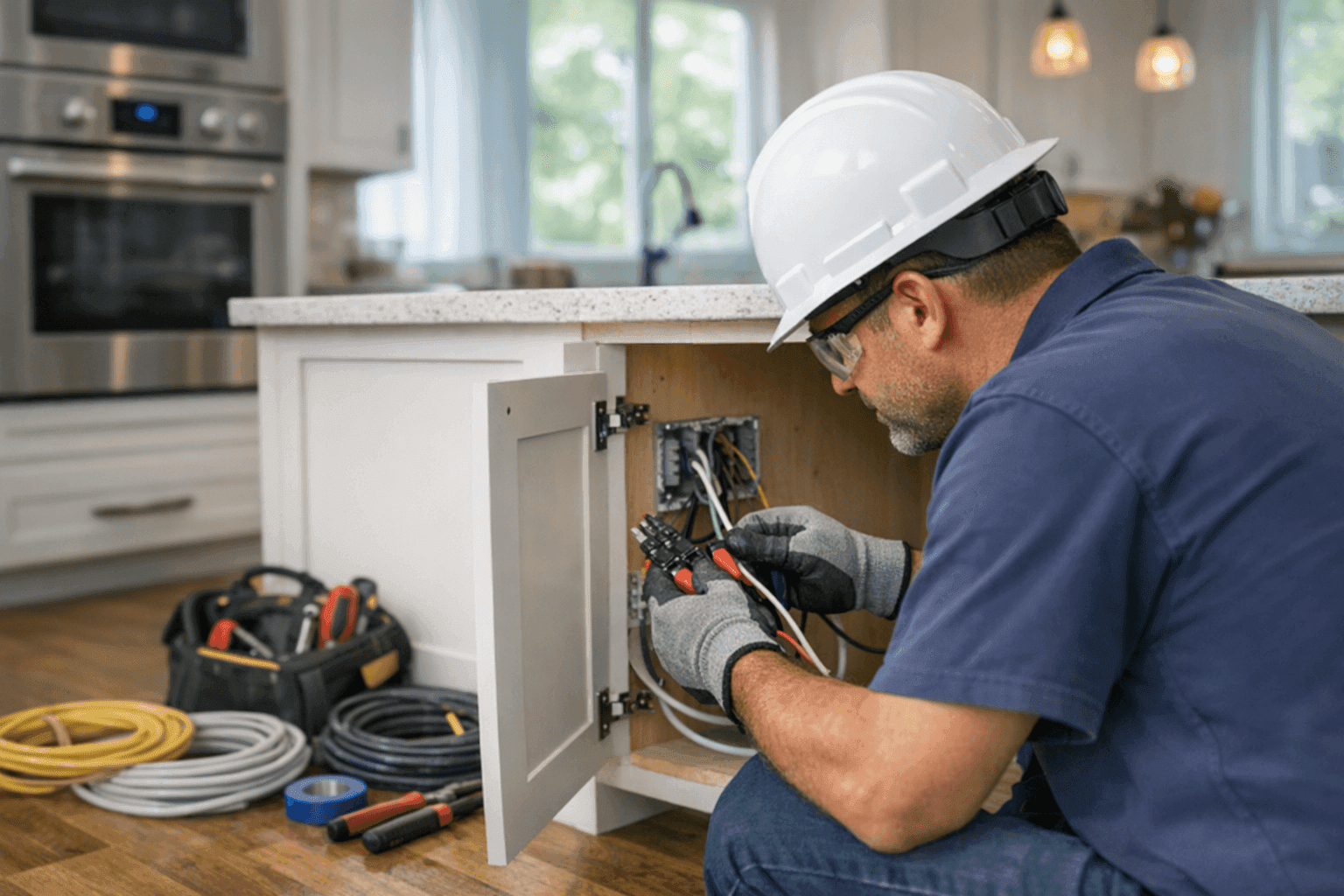
Upgrading your kitchen is exciting. It’s also a big investment. Old wiring and outdated electrical panels can’t always handle new appliances, smart gadgets, or that statement-making lighting you’ve been dreaming about. The last thing you want is a kitchen that looks great but fumbles when you flip a switch.
At TXC Electric, we know every kitchen remodel is unique. Whether you’re a homeowner or a commercial property manager, reliable power and safety are non-negotiable. Let’s break down what you need to know before you start swinging a hammer.
Kitchen Power Needs: More Than Just Plug and Play ⚡
Think of your kitchen as a bustling train station. Every appliance is a train pulling in and out, each with its own schedule and energy demand. Planning your electrical system isn’t just about adding more outlets—it’s about ensuring every “train” runs smoothly without a single delay.
Before you start, ask:
- What appliances are you adding or replacing?
- Are you planning for an induction cooktop, double ovens, or a large fridge?
- Will you need charging stations, under-cabinet lighting, or a wine fridge?
Modern kitchens often require dedicated circuits for high-demand appliances. National Electrical Code (NEC) standards change, and so do the demands of busy kitchens. An experienced electrician can map out your power needs and spot gaps before they become headaches.
Appliance Circuits: Dedicated Power for Every Heavy Hitter
That shiny new range or espresso machine isn’t just a kitchen upgrade—it’s a power-hungry beast. Appliances like microwaves, dishwashers, and garbage disposals each need dedicated circuits to prevent overloads and tripped breakers.
A few must-knows:
- NEC requires at least two 20-amp circuits for countertop outlets.
- Dishwashers, microwaves, and refrigerators often need their own circuits.
- GFCI (Ground Fault Circuit Interrupter) protection is a must for all outlets near water sources.
Don’t gamble with shared circuits. Overloading can cause nuisance tripping—or worse, a fire risk. For details about appliance wiring, see our Wiring & Circuits service.
Lighting Upgrades: Layered Light, Safer Spaces 💡
Great lighting transforms a kitchen. It also adds complexity to your wiring. Task lighting over counters, ambient lighting in the ceiling, and accent lighting under cabinets all draw power. Mixing old and new lighting systems? That’s where a pro can help ensure everything matches up safely.
Tips for lighting success:
- Use dimmers for flexibility and energy savings.
- LED fixtures offer efficiency and long life.
- Plan for lighting zones—prep, cooking, dining—for best results.
Upgrading lighting often means upgrading switches, circuits, and sometimes panels. For more on this, our Installations page has you covered.
Outlet Placement: Convenience Meets Code 🛠️
Imagine prepping dinner with appliances all over the counter and nowhere to plug them in. Outlet placement is both an art and a science. Too few, and you’re running extension cords—not safe. Too many, and you risk clutter and confusion.
Key guidelines:
- Outlets must be spaced so no point on the counter is more than two feet from a receptacle (NEC 210.52(C)).
- Island and peninsula counters have special requirements.
- GFCI outlets are mandatory for all kitchen counters.
Think about how you use your space. Coffee makers, stand mixers, phone chargers—plan for everyday convenience, not just code compliance.
Code and Safety: Why Following the Rules Matters
Electrical codes might seem like red tape, but they’re really a recipe for safety. The National Electrical Code (NEC) sets the standards for wiring, outlets, and circuits in kitchens—especially around water and heat.
Why this matters:
- Properly installed GFCI outlets protect against shock.
- AFCI (Arc Fault Circuit Interrupter) protection helps prevent electrical fires.
- Bonding and grounding requirements keep your family or staff safe.
Always check local code updates before starting a remodel. Cities and counties might have extra requirements on top of NEC standards. For the latest, refer to the National Fire Protection Association (NFPA) and your local building department.
Quick Safety Checklist for Kitchen Remodels
Pause before breaking ground. Here’s a basic checklist:
- Turn off power at the breaker before any work.
- Verify GFCI protection is working.
- Test smoke and carbon monoxide detectors.
- Check for signs of wear: frayed wires, warm outlets, flickering lights.
If anything feels off, call a licensed electrician. Safety isn’t a DIY experiment.
DIY vs. Call a Pro: When You Need an Electrician
Some home improvement projects are weekend-friendly. Upgrading kitchen wiring isn’t one of them. It’s like trying to tune a piano with only a hammer—possible, but risky.
What a professional electrician brings:
- Deep code knowledge for kitchen-specific upgrades.
- Safe installation of new circuits, panels, and devices.
- Proper permitting and inspection coordination.
- Troubleshooting for hidden issues (old wiring, overloaded circuits).
You can swap out a bulb or a faceplate. But for wiring, outlets, and new circuits, call in a pro.
What Electricians Do on Arrival
Expect a process, not just a quick fix:
- Assess your current panel and circuits.
- Plan for new appliances and load requirements.
- Inspect existing wiring for safety and code compliance.
- Install or upgrade wiring, outlets, and switches as needed.
- Test everything—twice.
We document the job, coordinate with inspectors, and make sure your kitchen is ready for years of safe, reliable use.
Prevention & Maintenance: Protect Your Investment
A kitchen remodel is a chance to future-proof your home. Preventative steps go a long way:
- Schedule periodic electrical safety inspections.
- Use whole-home surge protection to safeguard appliances.
- Upgrade panels if you’re adding high-demand equipment.
Think of it as oiling the gears—regular care keeps everything humming.
Costs & Time Factors: What to Expect
Budgeting for electrical upgrades can be tricky. Costs depend on:
- The age and condition of your existing wiring.
- Number of new circuits or outlets required.
- Complexity of lighting and smart home integrations.
- Local permit and inspection fees.
Timeline? Plan for a few days to several weeks, depending on the project scale. We work hand-in-hand with your GC or designer to keep things moving.
When It's an Emergency
Sometimes, things go wrong fast—smoke, sparks, or a sudden loss of power. If you see or smell anything unusual, turn off the breaker and call an electrician right away. Don’t wait. Fast action can prevent bigger problems.
Common Mistakes Homeowners Make
- Skipping permits to “save time”
- Overloading circuits with new appliances
- Using extension cords as permanent solutions
- Failing to upgrade old panels or wiring
Avoid these pitfalls. Consult a pro from the start.
Signs of Trouble: Don’t Ignore These
- Outlets that spark or feel hot
- Flickering lights when you use appliances
- Breakers that trip repeatedly
- Buzzing sounds from panels or switches
These are warning lights on the dashboard. They mean it’s time for a checkup.
Timeline & Disruption: Living Through a Remodel
Electrical work can mean dusty boots and power shutoffs. We coordinate with your schedule, keeping downtime minimal. Most upgrades can be done with little disruption. Communication is key—plan ahead, and we’ll make it as painless as possible.
Materials & Equipment: What Goes Into a Quality Upgrade
We use:
- Copper wiring for reliability and safety
- Tamper-resistant outlets for family homes
- Modern panels with space for future growth
- Quality switches and dimmers for smooth control
No shortcuts. Only code-compliant, tested equipment makes the cut.
FAQ: Your Kitchen Upgrade Questions Answered
Do I need to upgrade my electrical panel for a kitchen remodel?
If you’re adding high-wattage appliances or your home is older, you may need a panel upgrade to handle the load.
Can I add outlets anywhere?
Outlet placement is governed by code. There are minimum requirements for safety and convenience.
How long does electrical work take during a remodel?
Most kitchen rewiring takes 1–3 days, but complex projects may run longer.
For code specifics, the National Electrical Code (NEC) and city inspectors are the final word.
Local Kitchen Upgrades: TXC Electric Is Here
Whether you’re planning a full remodel or a simple lighting upgrade, TXC Electric is ready to help. We handle the wiring, circuits, Outlets & Switches, and everything in between. Residential or commercial, our team keeps your kitchen safe and functional from day one.
Call TXC Electric now — or reach us anytime at 855-557-6564 .