How to Upgrade Electrical Systems for Home Studios & Creative Spaces
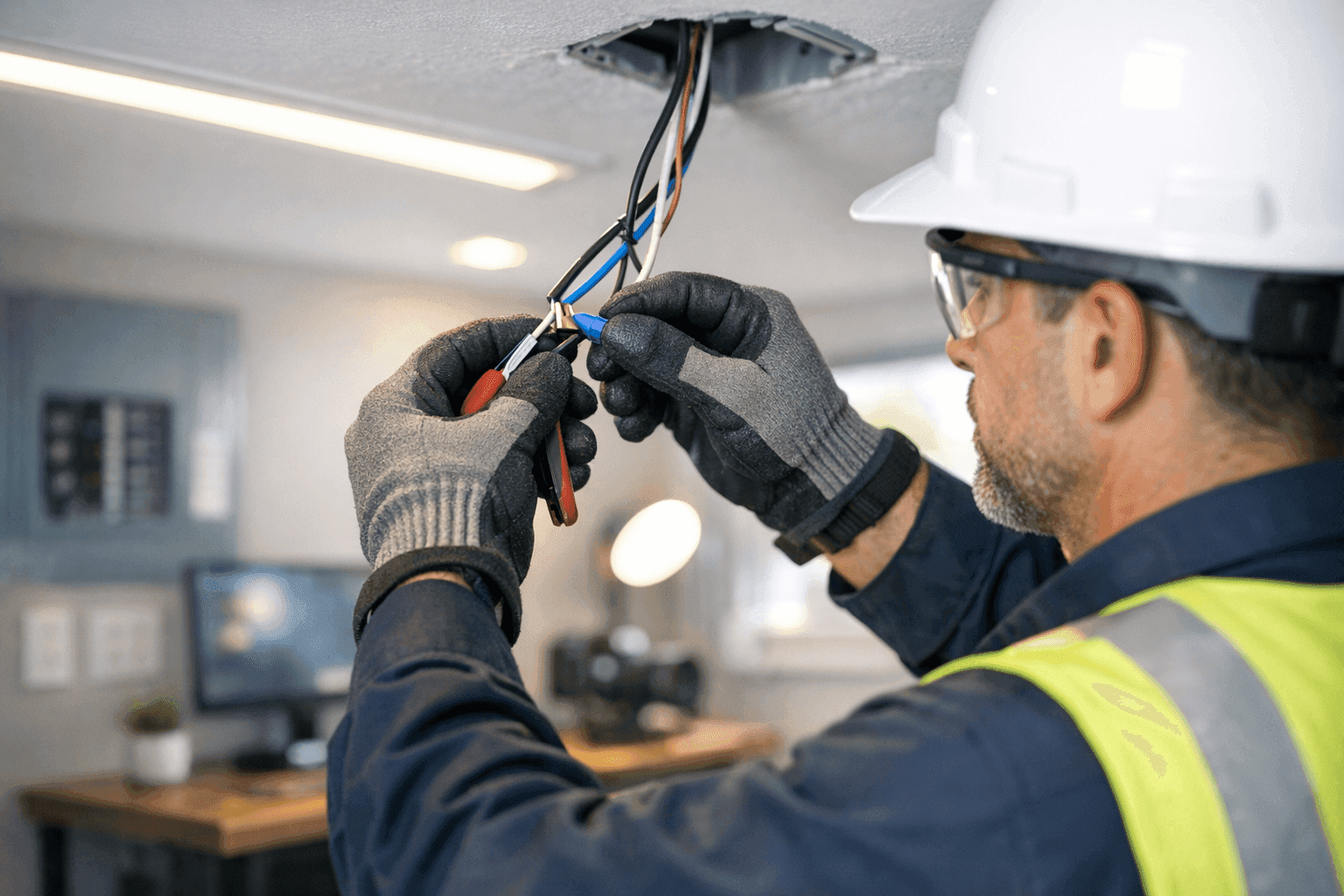
Setting up a home studio or creative workspace is more than just plugging in a few devices. The stakes are high—sensitive equipment, creative flow, and peace of mind all depend on a safe, steady supply of power. A single flicker or blown fuse can mean lost work or, worse, damaged gear.
At TXC Electric, we’ve seen just how unique every creative space can be. Whether you’re recording, editing, crafting, or inventing, your workspace needs a thoughtful electrical plan. Let’s break down what makes a studio’s wiring different, and why a professional touch is worth every penny.
Studio Power and Lighting Needs 🎛️
Home studios are power-hungry beasts. Computers, mixers, monitors, amps, lights—you name it. Each piece draws its own load, and the wrong setup can leave you fighting tripped breakers or annoying hums in your audio.
Key questions to ask:
- How much equipment will run at once?
- Are you planning for future upgrades?
- Do you want dimmable or color-adjustable lighting?
A professional electrician starts with a load calculation. This is like planning a dinner party: you want enough seats—and snacks—for every guest, not just a few. We’ll often recommend dedicated circuits for high-draw equipment. That way, your studio lights don’t flicker every time the printer fires up.
Lighting is just as crucial. Task lighting for detail work, ambient lighting for mood, and color-tunable LEDs for video production—all have different needs. Smart lighting options can be layered into the design for flexibility and energy savings. Learn more about studio lighting installations here.
Safe Wiring and Outlets
Ever see a studio with cords snaking everywhere? Not only is it a trip hazard, it’s a recipe for trouble. Overloaded power strips and daisy-chained extension cords might work in a pinch but put your safety—and your equipment—at risk.
Why pro wiring matters:
- Reduces risk of fire and electrical shock
- Minimizes voltage drops (which can damage sensitive gear)
- Supports clean, organized cable management
The right number and placement of outlets is key. We recommend tamper-resistant outlets for homes, and GFCI protection anywhere there’s moisture (think: basement studios or converted garages). For studios with heavy-duty gear, isolated ground outlets can help cut down on electrical noise.
Curious about how this works? See how our Wiring & Circuits service keeps creative spaces both safe and functional.
Sound and Data Considerations
Audio and video gear is sensitive—sometimes even a tiny electrical “buzz” can ruin a take. That’s why studios often need more than standard home wiring.
Tips for clean sound and data:
- Run power and data cables separately to avoid interference
- Use shielded data cables for network and audio lines
- Check for proper grounding to minimize hum and feedback
If your space streams, edits, or records, don’t ignore your data needs. Hardwired Ethernet is more reliable than Wi-Fi for big file transfers and live streaming. And don’t forget: phone and Internet cabling should be planned alongside your power.
Surge Protection
Creative gear isn’t cheap. A single lightning strike or power surge can fry thousands of dollars’ worth of equipment in seconds.
Protect your investment with:
- Whole-home or studio-specific surge protectors
- High-quality point-of-use surge strips (not just bargain-bin models)
- Surge protection for phone/data lines, too
A professional electrician can recommend the right level of protection for your space. For mission-critical studios, we also talk about backup power—think battery backups or even generators for uninterrupted sessions.
Code and Safety
Every electrical upgrade needs to meet local and national codes—period. This isn’t just red tape. Code-compliant wiring protects your property, ensures your insurance stays valid, and keeps you safe from hazards you can’t see.
What does code cover?
- Correct wire sizing and circuit breakers
- Proper outlet spacing
- GFCI/AFCI protection where required
- Safe grounding and bonding
We always work by the latest National Electrical Code (NEC) standards and stay up to date on any local amendments. For more details, the Electrical Safety Foundation International (ESFI) is a trusted source for home electrical safety guidance.
Quick Safety Checklist
Before you power up your new studio, ask yourself:
- Are all cords and cables in good condition?
- Are outlets secure, with no visible damage?
- Is your panel labeled, and do you know which breaker controls the studio?
- Have you tested your smoke and carbon monoxide detectors?
If you answer “no” on any of these, it’s time for a safety check before you start that next session.
DIY vs. Call a Pro
It’s tempting to DIY, especially if you’re handy. But studio wiring isn’t the place to roll the dice.
What can go wrong:
- Overloaded circuits cause nuisance tripping—or fires
- Bad connections create hum or buzz in sensitive audio gear
- Hidden code violations can mean failed inspections or denied insurance claims
A licensed electrician brings more than tools. We bring experience, code knowledge, and an eye for the details that keep you and your studio safe.
What Pros Do On Arrival
When you call TXC Electric, here’s what typically happens:
- We ask about your equipment and workflow.
- We inspect your current panel, wiring, and outlets.
- We look for any red flags—old wiring, lack of GFCI/AFCI, panel capacity issues.
- We help you plan for future needs, not just today’s setup.
- We explain options with clear, up-front pricing.
Our goal? To keep your creative momentum going, without the fear of sudden outages or safety risks.
Prevention & Maintenance
A studio is an investment. Keep it running smoothly by:
- Scheduling annual electrical safety inspections
- Testing GFCIs/AFCIs monthly
- Keeping outlets and panels free of dust and clutter
- Replacing surge protectors every few years
Routine checks spot small problems before they turn into big headaches.
Costs & Time Factors
Every project is different. Factors that affect cost and timing include:
- Age and condition of your home’s wiring
- Location and size of your studio
- Complexity of your lighting and data needs
- Whether panel upgrades are needed
A typical studio wiring job can take a day or two, but complex builds may run longer. We always aim to minimize disruption so you can get back to creating.
When It’s an Emergency
If you smell burning, see sparks, or lose power unexpectedly, shut everything down and call a licensed electrician right away. Don’t try to troubleshoot live wires or open panels yourself.
TXC Electric offers 24-hour emergency service for situations like these. Fast response can mean the difference between a quick fix and a bigger problem.
Seasonal Considerations
Humidity, heat, and cold can all affect your studio’s electrical system. Be especially watchful in basements or garages, where moisture can creep in and cause trouble. Consider dehumidifiers and check your GFCIs regularly.
Common Mistakes
- Relying on power strips instead of new outlets
- Ignoring grounding and surge protection
- Overloading single circuits with too much gear
- Mixing high- and low-voltage wiring too close together
A little planning up front saves a world of frustration later.
Signs of Trouble
Keep an eye (and ear) out for:
- Buzzing outlets or switches
- Warm or discolored outlet covers
- Flickering lights
- Persistent tripped breakers
These are your studio’s way of saying, “Help!” Don’t ignore them.
Timeline & Disruption
We know downtime is lost creativity. Most upgrades can be completed with minimal disruption, especially if planned around your schedule. We’ll always let you know if power will be out, and for how long.
Materials & Equipment
We use trusted, code-approved brands for all wiring, outlets, and panels. For specialty needs—like studio-grade isolated ground outlets or smart lighting controls—we’ll walk you through the best options for your workflow and budget.
FAQ
Q: Can I use household extension cords for my studio gear?
A: Only as a short-term solution. Permanent wiring and outlets are always safer and more reliable.
Q: Do I need a panel upgrade for my studio?
A: Not always. It depends on your current load and planned equipment. We’ll assess and advise before any work begins.
Q: What about insurance?
A: Many insurers require proof of code-compliant wiring for studios, especially if you run a business from home.
The Value of Pro Installation
Upgrading your studio’s electrical system isn’t just about convenience—it’s about protecting your art, your gear, and your safety. Every creative space is unique, and the right electrical plan respects both your vision and your workflow.
If you’re ready to get started or just want to talk options, TXC Electric is here. Our team delivers safe, reliable, and future-proof solutions for all kinds of studios and creative spaces. For those in the area looking for electrician services, check out our Wiring & Circuits page for more details on how we can help.
Call TXC Electric now — or reach us anytime at 855-557-6564 .