How to Troubleshoot and Repair Light Fixtures
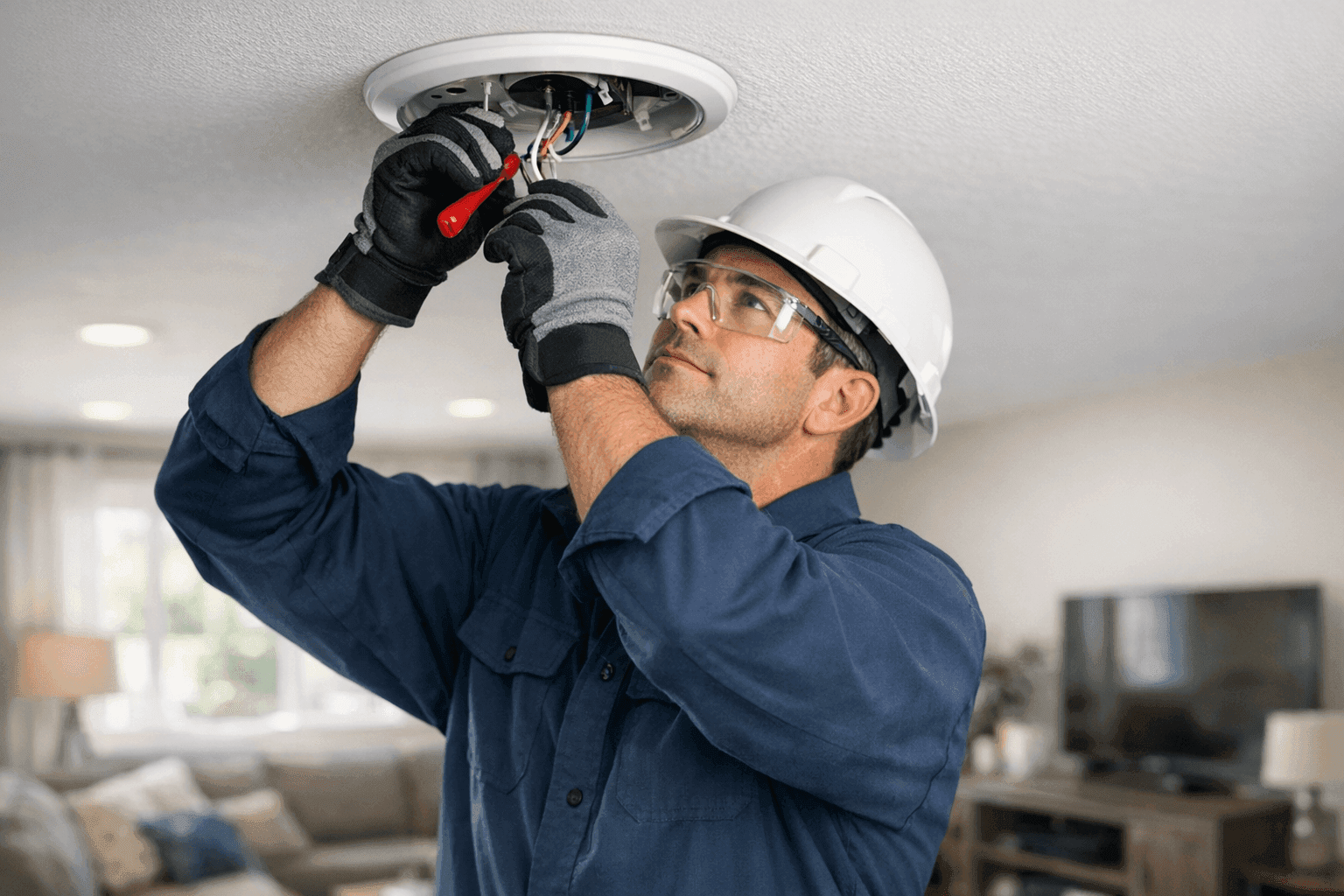
Is your light flickering like a candle in the wind? Or maybe you flip the switch and—nothing. A broken light fixture can turn a cozy room into a frustration zone. Whether you’re a homeowner or manage a busy office, lighting issues disrupt daily life. At TXC Electric, we know how important safe, reliable lighting is for every space.
This guide will help you spot common problems, try safe troubleshooting steps, and know when it’s time to call an electrician. Let’s shed some light on the subject—one step at a time.
Common Fixture Issues ⚡
Most light fixture problems fall into a few categories. Here’s what we see most often:
- Flickering bulbs: Often caused by loose bulbs, bad sockets, or wiring issues.
- Dead fixtures: Could be a bad bulb, tripped breaker, or faulty wiring.
- Buzzing or humming: Usually a sign of a loose connection or overloaded switch.
- Burning smell or scorched marks: This is serious. It can mean overheating, often from faulty wiring or a bad connection.
- Dimming and surging: Voltage fluctuations or old, failing dimmer switches.
- Repeated bulb burnouts: Might mean the fixture’s voltage is too high or there’s a wiring problem.
Understanding these signs helps you decide your next move—DIY or professional help.
Quick Safety Checklist
Before you even touch that fixture, safety comes first. Electricity is invisible but powerful—think of it like a fast-moving river under the surface.
- Turn off the power at the breaker. Not just the switch. Always verify the circuit is dead.
- Test the fixture with a non-contact voltage tester. Never assume the wires are safe.
- Use a sturdy ladder or step stool. Wobbling isn’t worth the risk.
- Keep dry hands and dry floors. Wet conditions and electricity don’t mix.
- Read manufacturer labels. Every fixture and bulb has a wattage limit—never exceed it.
Following the National Electrical Code (NEC) and Occupational Safety and Health Administration (OSHA) guidelines helps keep you and your property safe.
DIY Troubleshooting Steps
Some lighting issues are as simple as screwing in a new bulb. Others? They’re like peeling an onion—one layer at a time.
Step 1: Check the Bulb
- Replace with a known good bulb. Sometimes, it’s that easy.
- Ensure you’re using the correct type (LED, incandescent, CFL) and wattage.
Step 2: Inspect the Switch
- Flip the switch on and off.
- Listen for crackling or buzzing—bad signs.
Step 3: Examine the Fixture
- Look for loose or corroded sockets.
- Tighten any visible screws or nuts.
Step 4: Check the Circuit Breaker
- See if the breaker has tripped. If so, reset it and test the fixture.
- If it keeps tripping, there may be a deeper issue.
Step 5: Test the Socket
- Use a voltage tester to check if power is reaching the fixture.
- No power? The problem could be at the switch, breaker, or wiring.
If these steps don’t solve it, you may be looking at a wiring or circuit problem. That’s when it’s time for a pro.
When to Repair vs. Replace
Not all fixtures are worth saving. Like an old car that keeps breaking down, sometimes replacement is the better bet.
Repair if:
- The fixture is high quality or has sentimental value.
- The problem is minor (loose wire, bad socket, switch replacement).
Replace if:
- The fixture is old, corroded, or damaged beyond repair.
- You smell burning plastic or see black marks around the socket.
- Repeated repairs haven’t fixed the problem.
Upgrading to modern fixtures often means better efficiency, brighter light, and peace of mind.
Safe Repairs: What You Can (and Shouldn’t) Do 🛠️
Changing a bulb or tightening a loose screw is usually safe for most adults. But once you get into wiring, you’re dealing with hidden risks.
DIY-safe repairs:
- Bulb changes
- Tightening loose sockets or mounting screws
- Cleaning dust and debris from the fixture
Leave to the pros:
- Replacing or repairing wiring
- Installing new fixtures (especially ceiling or outdoor units)
- Diagnosing repeated breaker trips
- Fixing burnt or melted wires
If you’re not 100% sure, don’t risk it. Call a licensed electrician. It’s not just about getting the lights back on—it’s about keeping your family and property safe.
Pro Help: When to Call an Electrician
Some problems are like icebergs—what you see is just the tip. Here are signs it’s time for an electrician:
- Burning smells or scorch marks
- Flickering lights throughout the house
- Frequent breaker trips
- Outlets or switches that feel warm or buzz
- Fixtures that shock you, even slightly
A professional will use specialized tools and years of experience to diagnose issues quickly and safely. TXC Electric offers lighting, repairs, and thorough fault-finding for homes and businesses.
What Pros Do On Arrival
When you call TXC Electric, here’s what you can expect:
- Careful inspection of the affected fixture and surrounding wiring
- Testing with certified voltage meters and continuity testers
- Checking panel and breaker health
- Identifying code compliance issues
- Offering clear repair or replacement options
Our electricians follow all safety guidelines and use only approved materials for every job.
Prevention & Maintenance Tips
Keeping your lighting in top shape isn’t just luck. A few simple habits go a long way:
- Dust fixtures regularly to prevent overheating.
- Check bulbs and sockets for tightness every few months.
- Use surge protectors to guard against voltage spikes.
- Schedule electrical safety inspections—especially in older homes.
- Don’t overload circuits with too many high-wattage bulbs or devices.
A little prevention beats a major repair every time.
Costs & Time Factors
Simple fixes like bulb replacements or tightening a socket? Often under 10 minutes. But rewiring a fixture, troubleshooting mystery shorts, or replacing a full fixture can take an hour or more.
Costs depend on the problem and the fixture. High-end chandeliers or recessed lighting may need more care (and time) than basic ceiling fixtures. Always ask for an up-front estimate.
When It’s an Emergency
If you smell burning, see smoke, or lose power to multiple rooms, treat it as an emergency. Shut off your main breaker and call for help. Never try to fix smoking or sparking fixtures yourself.
TXC Electric offers 24-hour emergency electrical service. Fast response can prevent damage and keep everyone safe. If you need an electrician company after hours, don’t wait.
FAQ: Light Fixture Troubleshooting
Why does my new bulb blow out right away?
Possible causes include wrong wattage, faulty fixture, or a wiring issue. Don’t keep replacing bulbs—get the fixture checked.
Can I install a dimmer switch on any fixture?
Only if the bulbs and fixture are compatible with dimmers. Check labels and manufacturer specs.
My fixture hums when turned on. Is that safe?
A gentle hum from some dimmers is normal, but loud buzzing could mean a loose connection or overload.
What’s the most common cause of flickering lights?
Loose bulbs, aging switches, or wiring issues are the usual suspects.
Seasonal Considerations
Outdoor fixtures face extra stress from weather. After heavy storms or freezing temps, check for:
- Water inside the fixture
- Rusted or corroded parts
- Flickering or non-working bulbs
Schedule a seasonal check-up for outdoor and pool lighting. It’s the best way to keep your property safe and bright year-round.
Common Mistakes to Avoid 🚫
- Working on live circuits—always cut the power first.
- Ignoring repeated issues—if a fixture keeps failing, there’s a bigger problem.
- Exceeding the recommended bulb wattage—can overheat wires and sockets.
- Installing incompatible bulbs or dimmers—can damage the fixture and wiring.
If you’re unsure, it’s safer (and usually cheaper in the long run) to get professional help.
Signs of Trouble
Sometimes, a fixture gives subtle hints before it fails completely:
- Intermittent flickers
- Bulbs loosening on their own
- Switches that feel mushy or don’t “click”
Don’t wait for a blackout. Early attention saves time and money.
Timeline & Disruption
Most repairs are quick and cause minimal disruption. For complex jobs, especially in busy commercial spaces, TXC Electric works to minimize downtime. We’ll explain the process so you know what to expect.
If you’re looking for electrician services in Cheyenne, our team is ready to help—day or night.
Materials & Equipment
For DIY troubleshooting, keep on hand:
- Voltage tester
- Screwdrivers (flathead and Phillips)
- Sturdy step stool or ladder
- Flashlight
- Spare bulbs (the correct type and wattage)
For anything involving wiring replacement or new installations, leave it to the pros. DIY electrical work outside your comfort zone is never worth the risk.
Unexpected lighting problems can feel overwhelming—but you’re not alone. TXC Electric is here to help with safe, reliable repairs and new installations, for both homes and businesses.
Call TXC Electric now — or reach us anytime at 855-557-6564 .