How to Survive a Power Outage: Essential Tips for Families
A thunderstorm rolls in. The lights flicker, then fade. The TV goes silent. Suddenly, your house is quieter—and darker—than you ever thought possible. If you’re like most families, a power outage is the last thing you want to deal with. But when the grid goes down, being prepared makes all the difference.
At TXC Electric, we’ve helped hundreds of families navigate blackouts safely. We know the stress, the uncertainty, and the practical hurdles you’re facing. Here’s how to keep your loved ones safe, fed, and comfortable—no matter how long the lights are out.
How to Prepare: Getting Ahead of the Outage 🕯️
Think of preparation as packing your parachute before you jump. You hope you never need it, but if you do, you’ll be glad it’s there.
- Stock up on essentials. Non-perishable food, bottled water (at least a gallon per person per day), batteries, flashlights, and a first-aid kit should live in an easy-to-access spot.
- Charge devices. Keep phones, power banks, and rechargeable lanterns topped up—especially when storms are forecast.
- Know your electrical panel. Label breakers and know how to safely shut off circuits if needed.
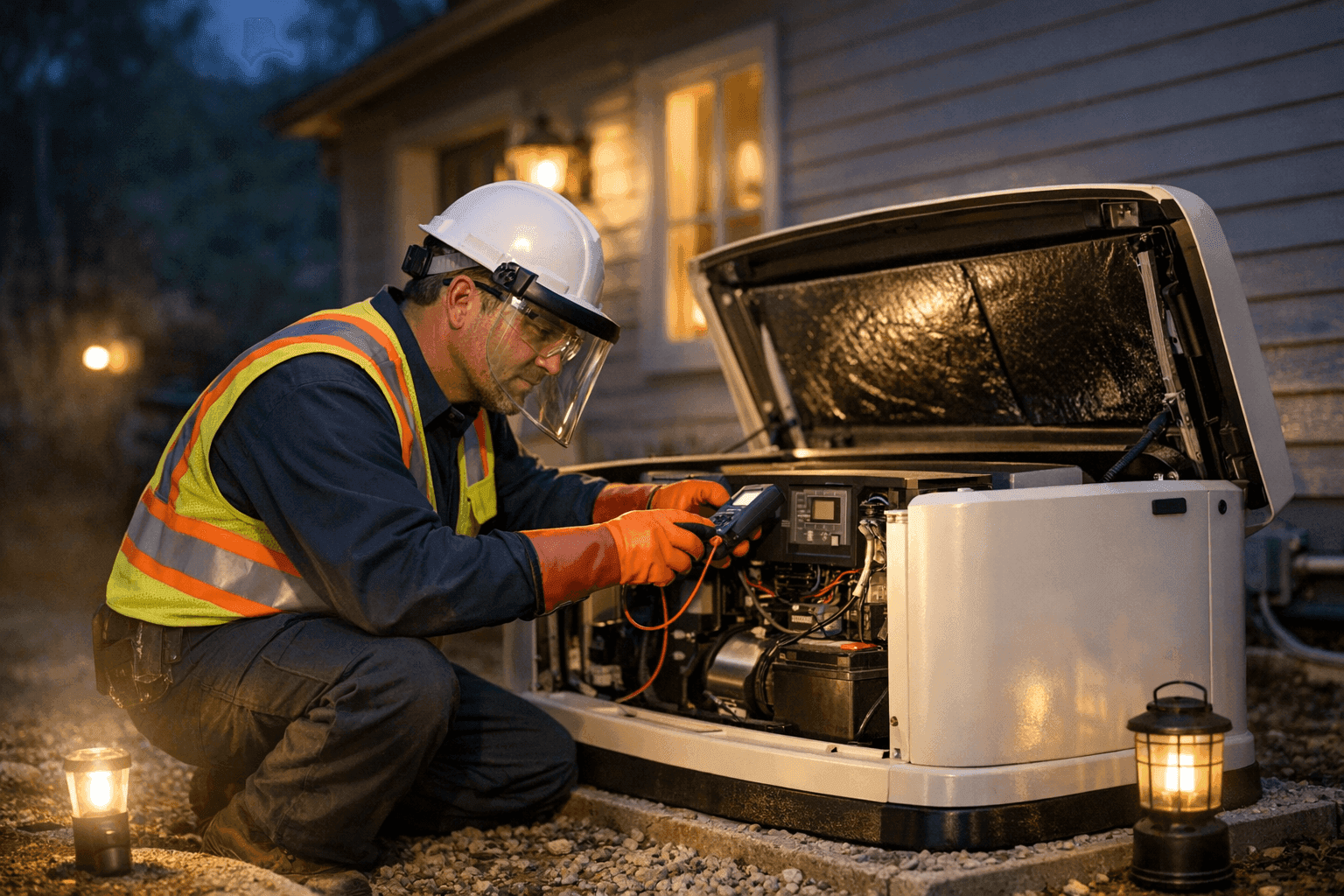
- Backup power. Consider installing a Generators or backup generator for uninterrupted power. A licensed electrician can make sure your installation meets National Electrical Code (NEC) standards.
Quick Safety Checklist
When the power drops, your priorities shift fast. Here’s what to check:
- Did you unplug sensitive electronics? Power surges can fry TVs, computers, and appliances.
- Are all candles and open flames in safe, supervised locations?
- Is everyone accounted for—including pets?
- Do you know where your emergency supplies are?
Safety During Outages: Keeping Your Family Protected
Darkness isn’t just inconvenient—it can be dangerous. Stumbles, falls, and kitchen misadventures are all too common during blackouts.
- Use battery lanterns over candles whenever possible to avoid fire risk.
- Keep fridge and freezer doors closed to maintain food safety. A full freezer will keep food cold for 48 hours; a fridge, about 4 hours.
- Stay warm or cool safely. Layer clothes or use blankets in winter; avoid overheating in summer by moving to the lowest, coolest part of your home.
Food and Water: What’s Safe, What’s Not
With the hum of the fridge gone, food safety becomes a ticking clock.
- Refrigerated foods: After 4 hours without power, most perishables are no longer safe to eat.
- Frozen foods: If there’s ice, it’s safe. When in doubt, throw it out.
- Water: If you’re on a well, have bottled water handy. If municipal water is compromised, boil it before use (if you have a gas stove or backup power).
For the full list of what to keep and what to toss, check guidance from the U.S. Food & Drug Administration.
Light in the Darkness: Safe Illumination
You don’t need to live by candlelight. Modern LED lanterns, headlamps, and even hand-crank flashlights provide safe, reliable light. Keep one in every major room.
For stairways or hallways, consider stick-on tap lights—easy to install, no wiring needed.
Communication: Staying in Touch
When cell towers go down, a battery-powered or hand-crank radio becomes a lifeline. Listen for updates from the National Weather Service or local authorities.
- Text instead of calling to save battery.
- Have a written contact list—don’t rely on your phone’s memory alone.
Kids and Elder Care: Comfort and Safety
Children and seniors feel the stress of outages more. Keep routines as normal as possible:
- Comfort kids with stories, games, or favorite snacks.
- Keep medications, mobility aids, or medical devices accessible.
- Make sure walkways are clear to prevent trips and falls.
If anyone in your home relies on powered medical equipment, talk to your electrician about emergency Generators options and automatic transfer switches.
Generator Use: Power on Demand (Handle With Care!) ⚡
Generators are lifeboats during blackouts—but only if used safely.
- Always run generators outdoors, at least 20 feet from windows and doors, to prevent carbon monoxide poisoning.
- Plug appliances directly into the generator, or use a professionally installed transfer switch.
- Never “backfeed” your home’s wiring. It’s against code and puts utility workers at risk.
A licensed electrician from TXC Electric will ensure your generator meets local codes and is installed for maximum safety. For more on safe setups, see recommendations from the Electrical Safety Foundation International (ESFI).
Electrical System Installation Near You: Why Professionals Matter
DIY fixes can spark more trouble than they solve. When it comes to generators, circuits, and backup systems, code compliance isn’t just a suggestion—it’s the law.
- Only a certified electrician should install or repair high-voltage systems.
- Permits and inspections may be required for generator installs. We handle those details, so you don’t have to.
If you need emergency service or a professional Generators, TXC Electric is always a call away.
When to Call an Electrician: Signs of Trouble
Sometimes, outages reveal hidden dangers:
- Flickering lights or burning smells when power returns
- Tripped breakers that won’t reset
- Outlets or switches that are hot to the touch
These are red flags. Call a licensed electrician immediately.
For families in the area, our Emergency Service line is available 24/7—because some problems can’t wait.
After the Power Returns: What to Do Next
Take a deep breath. Power’s back, but your job isn’t done yet.
- Check your fridge and freezer for spoiled food.
- Inspect appliances and electronics before turning them back on.
- Reset clocks, alarms, and garage doors.
- Schedule a safety inspection if you notice any unusual sounds, smells, or circuit issues.
Prevention & Maintenance: The Next Step
Don’t let the next outage catch you off guard. Consider:
- Whole-home surge protection
- Routine electrical safety inspections
- Upgrading old wiring or panels
- Installing a professionally wired backup generator
These steps safeguard your family and property—and can even lower insurance premiums.
Common Mistakes to Avoid
- Using gas stoves or grills indoors for heat or cooking—serious carbon monoxide risk.
- Overloading extension cords or power strips.
- Ignoring warning signs, like buzzing outlets or persistent breaker trips.
When in doubt, call a professional.
Timeline & Disruption: How Long Will It Last?
Some outages last minutes. Others, days. Weather, grid issues, and equipment all play a part. The key is to be ready for both the short and the long haul.
Keep a few days’ worth of supplies, and a plan for how to check on neighbors, especially those who are elderly or have limited mobility.
Seasonal Considerations: Storms, Heat, and Cold
- Winter: Frozen pipes, hypothermia risk—keep faucets dripping and layer up.
- Summer: Spoiled food and heat illness—stay hydrated and avoid strenuous activity.
Every season brings its own challenges. Prepare with your climate in mind.
What Pros Do On Arrival: The TXC Electric Approach
When you call us, we:
- Assess your electrical system for immediate hazards.
- Safely restore circuits, if possible, or recommend upgrades.
- Advise on generator safety, fuel storage, and code compliance.
We’re not just problem-solvers—we’re partners in keeping your home or business safe and powered.
FAQ: Your Power Outage Questions Answered
How often should I test my generator?
At least once a month. Run it under load, if possible, to ensure reliability.
Can I install a generator myself?
For safety and code compliance, always hire a licensed electrician.
What’s the most important first step during an outage?
Stay calm, check on family members, and secure your space.
Final Thoughts: Preparedness Is Peace of Mind
Power outages are unpredictable, but your response doesn’t have to be. With the right supplies, a clear plan, and a trusted electrician on call, you can keep your family safe and comfortable—no matter how dark it gets.
Call TXC Electric now — or reach us anytime at 855-557-6564 .