How to Spot Electrical Hazards in Your Home
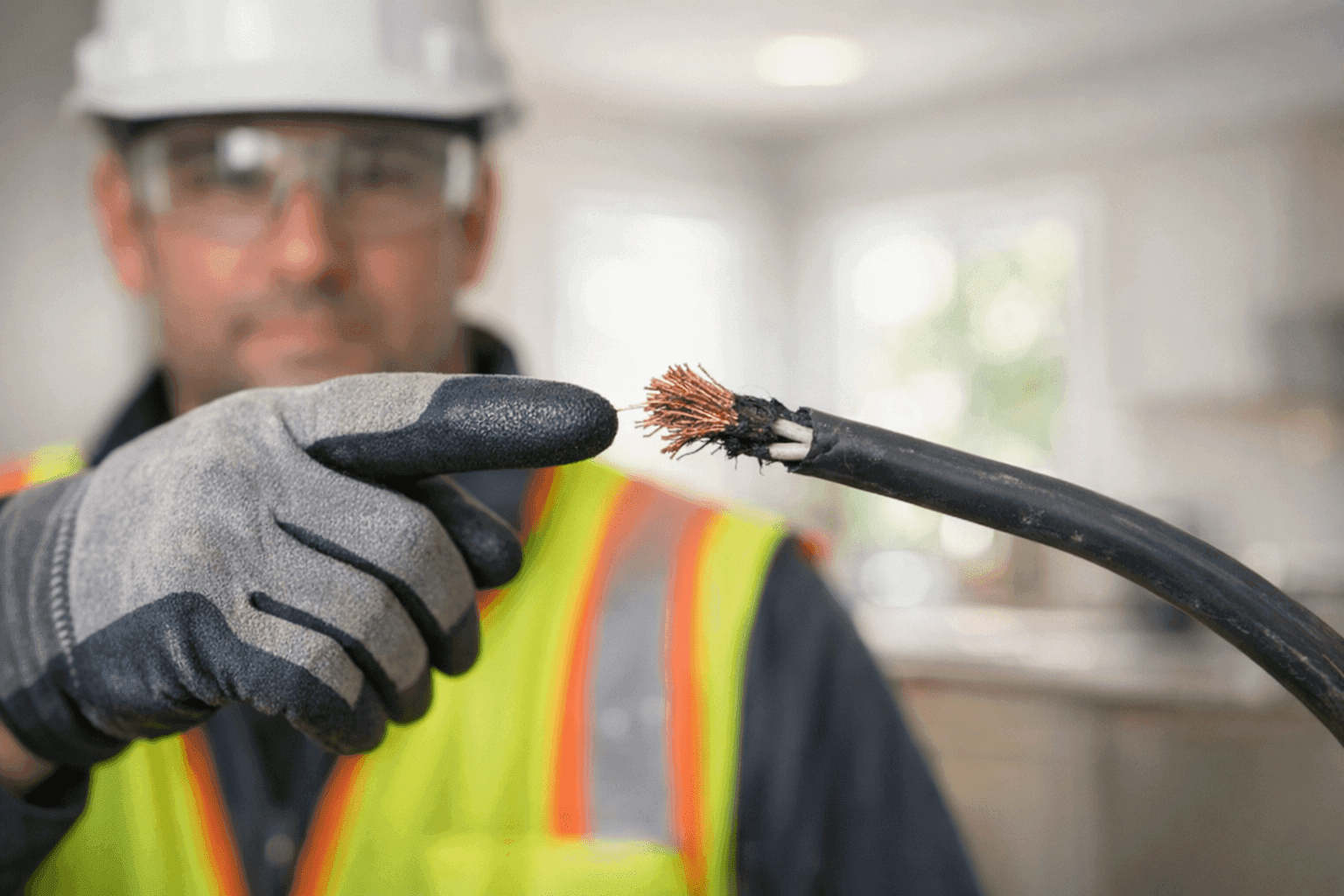
Electricity keeps your home humming. Lights glow, fridges cool, and devices buzz thanks to a network you rarely see. But when something goes wrong, that invisible force can turn dangerous—fast.
At TXC Electric, we know how easily hidden electrical hazards slip by unnoticed. Most issues start small. But left unchecked, they can spark bigger problems in the blink of an eye. Here’s how you can spot trouble before it strikes.
Top Home Electrical Hazards ⚡
Some risks hide in plain sight. Others lurk behind walls or under floors. Here are the most common electrical hazards every homeowner should know:
- Frayed or damaged cords: Pets chew; chairs roll; time wears. Even a small nick can expose wires and up the risk of fire or shock.
- Overloaded outlets and power strips: Plugging too much into one spot is like asking a single bridge to carry a highway’s worth of cars. Sooner or later, something gives.
- Old or outdated wiring: Houses age. So do wires. If your home is over 40 years old, your wiring might not be up to today’s demands.
- Warm or buzzing outlets: Outlets should never feel hot or make noise. Heat and sound often signal loose connections or overloaded circuits.
- Extension cords run under rugs or doors: Out of sight isn’t out of risk. Cords under rugs can overheat and spark fires.
- Missing or broken cover plates: Exposed wiring is an invitation for curious fingers and accidental contact.
- Water near outlets or switches: Kitchens, bathrooms, and laundry rooms need special attention. Water and electricity never mix.
Warning Signs: What Should Set Off Alarm Bells
Sometimes, your home tries to tell you something is wrong. Listen for these clues:
- Flickering or dimming lights when appliances turn on
- Outlets or switches that feel warm, look scorched, or emit a burning smell
- Circuit breakers that trip frequently
- Shocks or tingling when touching appliances or switches
- Strange buzzing, crackling, or humming from walls or outlets
- Plugs that fit loosely in outlets
- Discolored or melted wire insulation
Each of these is like a warning bark from your house. Don’t ignore them.
Your Quick Home Electrical Safety Checklist
Want to do a fast, safe check? Walk through your home with these steps:
- Inspect visible cords for wear, cuts, or kinks.
- Check outlets for warmth, discoloration, or buzzing.
- Make sure all outlets and switches have intact cover plates.
- Look for too many devices plugged into one outlet or power strip.
- Test ground fault circuit interrupter (GFCI) outlets in bathrooms and kitchens by pressing the “test” and “reset” buttons.
- Peek behind furniture—don’t let cords get pinched or crushed.
- Check smoke and carbon monoxide detectors for working batteries.
If something looks or feels wrong, unplug the device and call a licensed electrician.
How to Inspect Safely (and When to Stop)
Safety first. Always.
- Never touch wiring or outlets with wet hands.
- Don’t try to open switch or outlet covers if you’re unsure.
- Avoid poking into breaker panels.
- If you smell burning, see smoke, or hear sizzling, leave the area and cut power at the main breaker if safe.
Remember: It’s like checking under the hood of a car. You can spot a leak or worn tire, but you wouldn’t try to fix the brakes without training.
Prevention: Keeping Hazards from Sneaking In
A few habits can keep your home safe:
- Replace damaged cords immediately.
- Avoid overloading outlets with adapters or daisy-chained power strips.
- Have old wiring inspected by a certified electrician.
- Install GFCI and arc fault circuit interrupter (AFCI) protection where required by code (see National Electrical Code guidelines).
- Schedule routine Safety Checks and Electrical Safety Inspections to catch issues early.
- Keep appliances clean and in good repair.
- Test all smoke and carbon monoxide detectors monthly.
DIY or Call a Pro?
Tightening a loose plug or replacing a cord is one thing. But electrical systems are more complex than they seem. If you spot:
- Scorched outlets
- Repeated breaker trips
- Persistent flickering
- Any wiring you don’t understand
Stop. Call a professional electrician. Your safety is worth it.
What an Electrician Does on Arrival
When TXC Electric visits, we:
- Listen to your concerns and symptoms
- Inspect outlets, switches, panels, and visible wiring
- Use specialized tools to test for voltage, heat, and hidden faults
- Review your home’s compliance with electrical codes
- Provide a clear, honest explanation of any issues
- Recommend repairs, upgrades, or routine Maintenance as needed
All work is performed by certified inspectors, following the latest safety codes and standards.
When It’s an Emergency
If you see smoke, sparks, or flames—or if someone is shocked—act fast:
- Cut power at the main breaker (if safe).
- Call 911 for fire or medical emergencies.
- Get everyone out and stay clear until help arrives.
Don’t try to fight electrical fires with water. Use a Class C fire extinguisher if you know how—but only if it’s safe.
Seasonal Considerations: Weather and Your Wiring
Storms and changing seasons bring new risks:
- Heavy rain or leaks can reach outlets and wiring.
- Winter heaters and holiday lights push circuits harder.
- Summer pool or spa equipment needs safe wiring and reliable outlets.
A seasonal electrical checkup is a smart move—especially before major weather shifts.
Common Mistakes Homeowners Make
It’s easy to make small mistakes that lead to big problems:
- Using the wrong wattage bulbs in fixtures
- Relying on extension cords as permanent wiring
- Ignoring tripped breakers or blown fuses
- Covering outlets or power strips with furniture
A little vigilance goes a long way.
Timeline and Disruption: How Long Will Repairs Take?
Simple fixes (replacing an outlet or cord) take minutes. Bigger jobs—like rewiring or panel upgrades—can last days. We keep disruption to a minimum and always explain what to expect before we start.
Costs: What to Expect
Fixing hazards early usually saves money. Waiting until things go wrong can cost more, both in repairs and peace of mind. TXC Electric offers clear, upfront estimates before any work begins.
FAQ: Quick Answers to Common Questions
Q: My lights flicker sometimes. Is that normal?
A: Occasional flicker from a big appliance cycling is typical. Frequent, random flicker needs investigation.
Q: Is aluminum wiring dangerous?
A: Aluminum wiring in older homes can be safe if maintained, but connections may loosen over time. Have it inspected.
Q: Can I replace outlets myself?
A: Swapping outlets is riskier than it looks. If you’re not trained, call an electrician.
Why Routine Checks Matter
Think of routine checks like annual checkups at the doctor. You might feel fine, but a trained eye can spot silent issues before they become real threats. All our safety inspections follow the National Electrical Code and state regulations.
And if you’re looking for an electrician contractor, our team is ready to help.
The Importance of Professionalism and Certification
Every TXC Electric project is overseen by a certified, experienced electrician. We follow current codes and use the best tools for each job. Your safety is always our first priority.
Final Thoughts: Stay Safe, Stay Powered
Electrical hazards rarely announce themselves with a shout. More often, they whisper—a flicker here, a warm outlet there. If you spot something odd, don’t brush it off.
Stay safe. Call TXC Electric for friendly, professional help with all your safety checks, inspections, and repairs.
Call TXC Electric now — or reach us anytime at 855-557-6564 .