How to Safely Upgrade High-Voltage Wiring for Industrial Needs
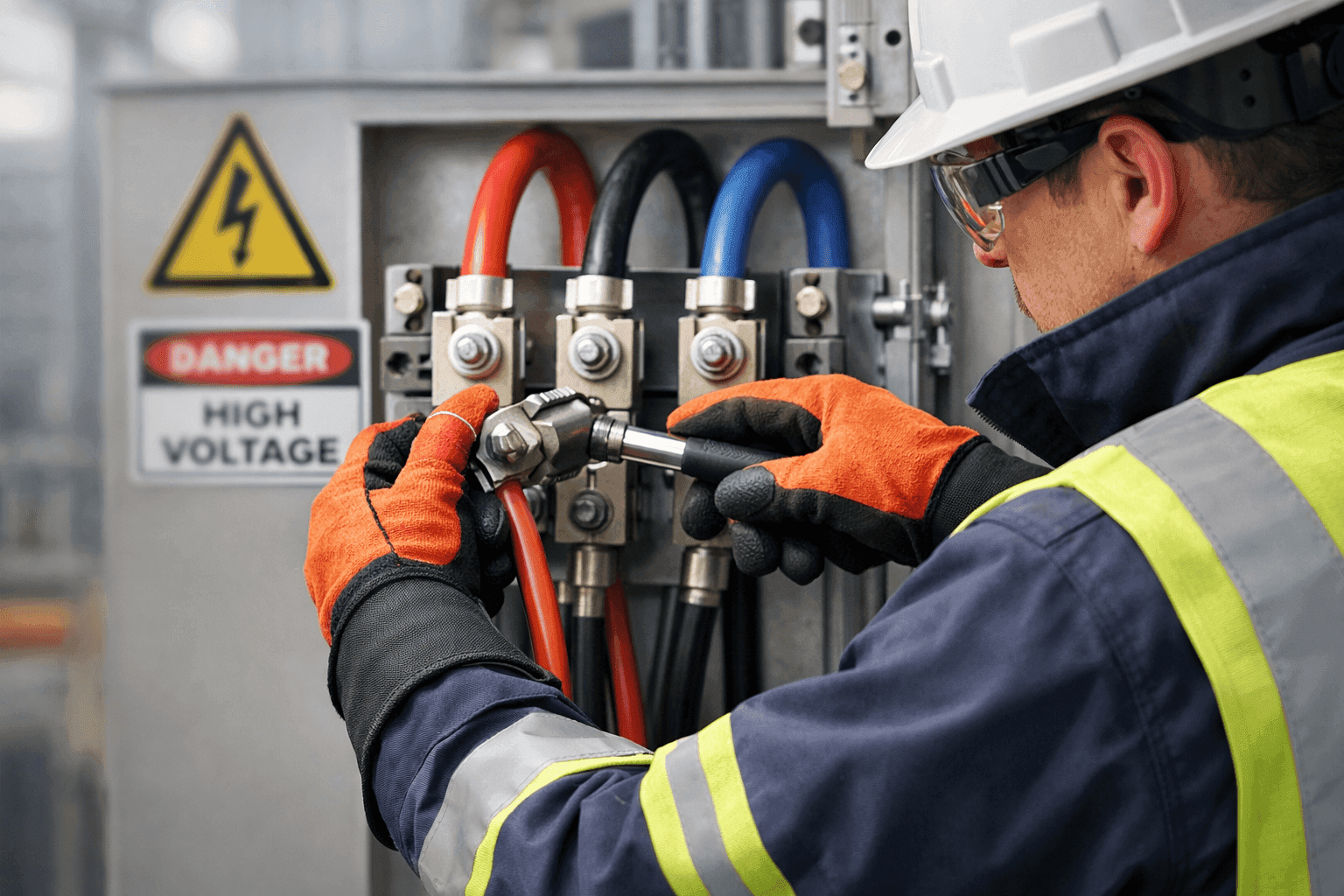
When your business depends on power, every wire is a lifeline. Upgrading high-voltage wiring isn’t just about keeping the lights on. It’s about safety, efficiency, and meeting the demands of today’s industrial machines. Mistakes can be costly—or dangerous.
At TXC Electric, we know industrial electrical upgrades are not weekend DIY projects. They demand planning, skill, and respect for every step. Let’s walk through what matters most for safe, code-compliant results.
What is High-Voltage? ⚡
High-voltage wiring powers the big players: machinery, HVAC, production lines. In most settings, “high voltage” means anything above 600 volts (per OSHA and the National Electrical Code/NEC). These circuits can run entire factories—or stop them cold if something goes wrong.
This isn’t just more juice than your average outlet. High-voltage systems are like superhighways for electricity. Mishandling them can lead to severe injury, equipment loss, or even fire.
Why Upgrades Matter
Industrial growth, new machines, or aging wires are all reasons to upgrade. Old or undersized wiring can’t keep up with today’s power-hungry equipment. That’s a risk to productivity—and safety.
Upgrading is more than swapping wires. It’s about future-proofing your facility, preventing costly downtime, and ensuring your operations meet today’s standards.
Planning Your Upgrade
Every project starts with a plan. Think of it like mapping a route through a busy city. You need to know:
- Your current load and future demands
- The layout of your facility
- Which machines need the most power
- The age and condition of existing wires
A licensed electrician will run a load calculation using NEC Article 220. This helps size wires, breakers, and panels properly. Don’t guess—mistakes here lead to tripped breakers or overheated cables.
Safety and Code: Non-Negotiable
Safety isn’t just a checklist. It’s the whole game. Industrial wiring must meet the NEC, OSHA guidelines, and any local rules. That means:
- Using the right type and size of wire
- Proper labeling and color coding
- Grounding and bonding every circuit
- Installing protective devices like fuses and surge protectors
Licensing matters. Hire a qualified electrician contractor who knows the codes inside and out. TXC Electric’s team always works under up-to-date certifications and permits.
Quick Safety Checklist for High-Voltage Work
- PPE: Use insulated gloves, arc-rated clothing, and eye protection
- Lockout/Tagout: De-energize and lock circuits before starting
- Test first—never assume a wire is dead
- Only certified personnel should access high-voltage panels
- Always follow your facility’s safety procedures
These steps save lives. Cutting corners isn’t worth the risk.
DIY vs. Call a Pro
Industrial high-voltage wiring isn’t a place for trial and error. Even experienced maintenance crews shouldn’t attempt upgrades without the right credentials. The stakes are too high. If you’re not a licensed electrician, step back. Let the pros handle it.
For Electrical System Installation near you, professional experience ensures code compliance and lasting safety.
What Pros Do On Arrival
When TXC Electric arrives, we start with a thorough assessment:
- Inspect existing wiring, panels, and loads
- Identify any immediate safety hazards
- Review blueprints and machine specifications
- Plan a safe shutdown sequence
We’ll coordinate with your team to minimize disruption and set clear timelines.
Common Mistakes and How to Avoid Them
- Undersized wiring: Leads to overheating and fires
- Improper grounding: Increases shock risk
- Skipping permits or inspections: Can void insurance and cause legal issues
- Ignoring manufacturer specs: Damages equipment
Professional electricians don’t guess. We double-check every measurement, connection, and code requirement.
Step-by-Step: Installation Process
- Preparation: Mark out work areas, post warnings, de-energize circuits.
- Demo: Remove old wire, label everything, keep the site clean.
- Install: Pull new wire, use approved conduits, secure terminations.
- Testing: Use calibrated meters to confirm continuity, insulation, and correct voltage.
- Inspection: Local authorities inspect the work for code compliance.
- Commission: Re-energize, monitor loads, document changes.
Each step is logged—no shortcuts, no surprises.
Timeline & Disruption: What to Expect
Upgrades can range from a few hours (single machine wiring) to weeks (full plant rewiring). TXC Electric works nights or weekends if needed to keep your business moving. We’ll give you a clear schedule before work begins.
Emergency? When to Act Fast
If you notice:
- Burning smells
- Frequent breaker trips
- Flickering lights near heavy equipment
- Hot panels or outlets
Shut down affected areas immediately and call for emergency service. High-voltage problems can escalate fast.
Materials and Equipment: What We Use
- Industrial-grade copper or aluminum wire
- Rigid metal or PVC conduit
- Breakers and fuses rated for industrial use
- Arc-flash protection devices
- Insulation testers, thermal cameras, voltage meters
We source only materials that meet UL, ANSI, and NEC standards.
Regular Maintenance: Best Practices
High-voltage wiring is not “set it and forget it.” Schedule:
- Annual inspections by a licensed electrician
- Infrared scans to spot hotspots
- Tightening connections and cleaning panels
- Updating documentation after any changes
Proactive care prevents breakdowns and extends your system’s life.
Prevention & Long-Term Safety
Investing in upgrades pays off when paired with regular safety checks and training for your staff. Keep emergency numbers visible and review shutdown procedures often. Partner with an electrician company that values ongoing support.
For businesses in New Mexico, our Commercial Services and Machine Wiring teams bring experience you can count on. If you’re seeking an electrician contractor for upgrades or repairs, we’re ready to help.
References & Codes
- National Electrical Code (NEC)
- Occupational Safety and Health Administration (OSHA)
- UL and ANSI materials standards
- Local permitting authorities
Always confirm requirements with your local building department—regulations can vary.
Final Word: Safety First, Always
Upgrading high-voltage wiring is a chance to boost safety, efficiency, and uptime. Done right, it’s peace of mind for you, your team, and your business.
Call TXC Electric now — or reach us anytime at 855-557-6564 .