How to Safely Install New Appliances That Require Dedicated Circuits
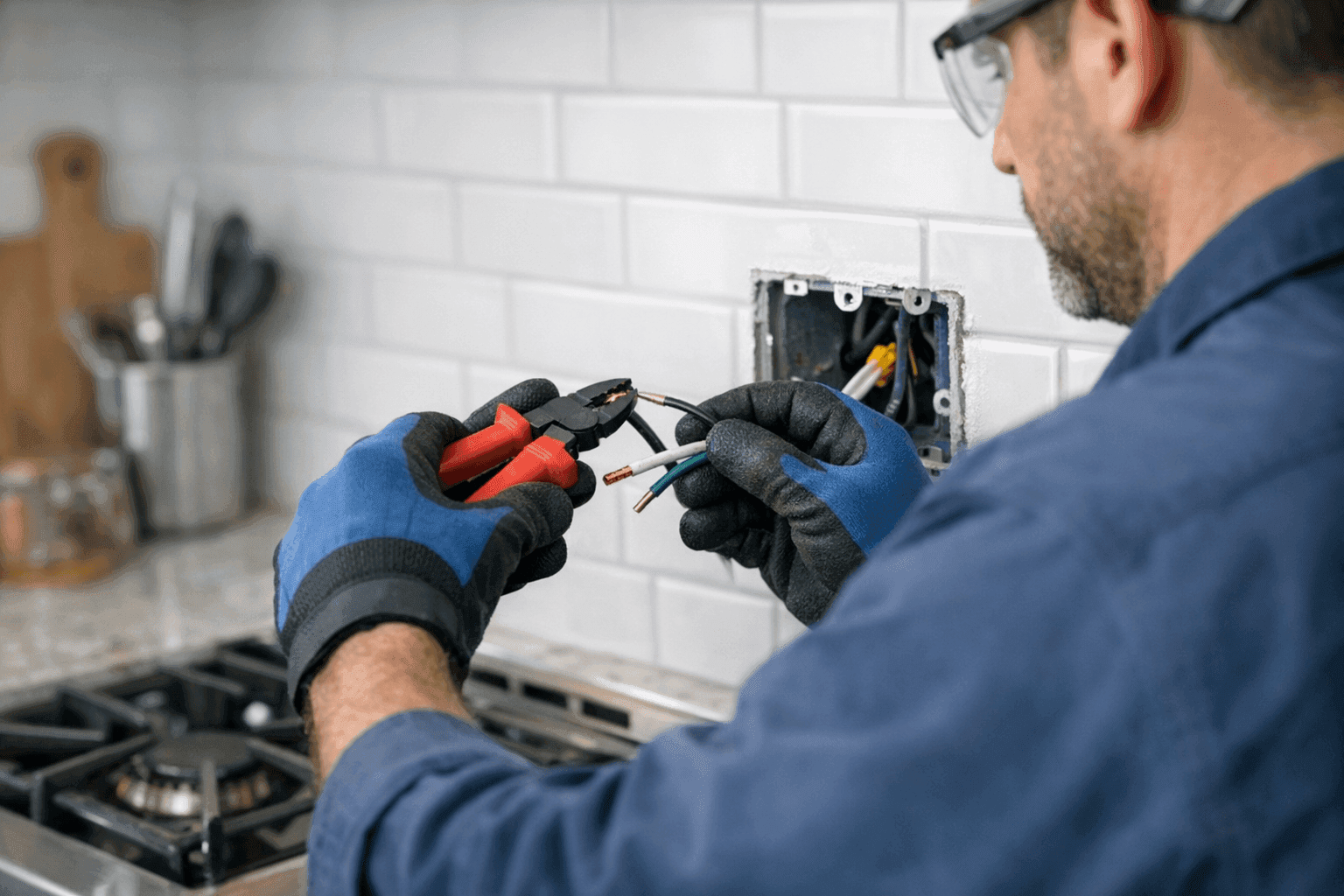
Adding a new appliance should bring comfort and convenience—not risk and worry. But too often, skipping a dedicated circuit can turn a simple upgrade into a hidden hazard.
At TXC Electric, we know every wire behind your walls matters. Understanding the steps and safety rules for installing dedicated circuits can mean the difference between smooth living and dangerous surprises.
Why Dedicated Circuits Matter 🔌
Ever try to run the microwave and toaster at once, only to trip a breaker? That’s your home’s way of saying, “I’m overwhelmed.” Dedicated circuits give your heavy-duty appliances their own private lane—so there’s no “traffic jam” on your electrical system.
Here’s why it’s crucial:
- Fire prevention: Overloaded circuits are a leading cause of residential electrical fires, according to the National Fire Protection Association (NFPA).
- Warranty protection: Manufacturers often require dedicated circuits. Skipping them can void your appliance warranty.
- Reliable performance: Appliances work best—and last longer—when they get the steady power they need.
Common Appliances That Need Dedicated Circuits
Not every gadget demands its own circuit. But powerful appliances? They’re in a league of their own.
Typical candidates include:
- Electric ranges and ovens
- Refrigerators and freezers
- Washers and dryers
- Dishwashers
- Microwaves
- Water heaters
- Sump pumps
- Furnaces and HVAC units
- EV chargers
Check your appliance’s manual. If it asks for a dedicated circuit, it’s not just a suggestion—it’s a must.
Quick Safety Checklist Before You Start
Safety isn’t just a buzzword. It’s your lifeline. Before any installation:
- Turn off power at the breaker box.
- Use voltage testers to confirm circuits are dead.
- Never work alone—have someone nearby in case of emergency.
- Wear insulated gloves and rubber-soled shoes.
- Read the National Electrical Code (NEC) Section 210.11 for dedicated circuits.
If any step feels out of your depth, it’s time to call an electrician.
DIY vs. Calling the Pros
Installing a dedicated circuit involves more than twisting wires together. It’s like adding a new lane to a busy highway: the design, the route, the safety checks—each piece matters.
DIY might be okay for:
- Replacing an existing outlet (if you’re experienced and know the code)
- Minor repairs
But call a professional electrician for:
- Running new wiring or circuits
- Upgrading panels or breakers
- Anything involving your main service panel
A licensed electrician brings not just skill, but peace of mind—ensuring your work passes inspection and keeps your home safe.
What the Pros Do Upon Arrival
When TXC Electric arrives, it’s not just about tools and wire. It’s about understanding your space, your appliance, and your home’s unique wiring history.
Our process:
- Assess your current electrical system.
- Calculate load requirements for your new appliance.
- Map out the safest, most efficient path for wiring.
- Select proper wire gauge and breaker size.
- Install and secure all connections per code.
- Test everything—so you’re ready to plug in with confidence.
Step-by-Step Installation: What’s Involved?
Here’s an overview of how a dedicated circuit is installed:
- Planning: Evaluate your electrical panel for capacity. Identify the path from the panel to the appliance.
- Shut Off Power: Always start safely—turn off the main breaker.
- Run New Wiring: Use the correct wire gauge (usually 10 or 12 AWG, depending on appliance load).
- Install a New Circuit Breaker: Match breaker size to appliance specs (20A for many appliances, 30A or more for dryers or ranges).
- Connect Outlet: Install a dedicated outlet or hardwired connection as needed.
- Grounding: Ensure all connections are properly grounded.
- Label Everything: Make sure your new circuit is clearly marked in your breaker box.
Understanding Code and Safety Standards
You don’t have to memorize the NEC, but knowing the basics helps. For new appliance circuits:
- NEC 210.52: Outlines requirements for kitchen and laundry circuits.
- NEC 210.11(C): Lists required dedicated circuits for appliances.
- GFCI protection is required in specific locations (kitchens, laundry, outdoors).
- AFCI protection may be needed for new circuits in living areas.
Local codes can add extra requirements. City inspectors will check the work—cutting corners isn’t an option.
Testing and Troubleshooting: Don’t Skip This Step
Once installed, testing is essential:
- Use a circuit tester to verify voltage at the outlet.
- Check the breaker for proper function.
- Run the appliance under load—watch for flickering lights, tripping breakers, or buzzing outlets.
If anything seems off, double-check connections—or call TXC Electric for help.
Prevention & Maintenance Tips
A dedicated circuit isn’t set-and-forget. Regular checks keep your home safe.
- Test GFCI and AFCI outlets monthly.
- Check for warm outlets, unusual smells, or tripped breakers.
- Schedule periodic electrical safety inspections, especially in older homes.
Preventing issues is always easier—and less expensive—than fixing damage after the fact.
Costs & Time Factors: What to Expect
Installing a dedicated circuit isn’t a five-minute job. Costs can vary based on:
- Distance from the panel to the appliance
- Complexity of the wiring path (attic, crawlspace, finished walls)
- Upgrades required to your electrical panel
Most residential installations take a few hours to a day. Commercial jobs or complex homes may require longer.
When It’s an Emergency
If you smell burning, see smoke, or lose power to essential appliances—don’t wait.
- Turn off power at the breaker.
- Unplug affected appliances.
- Call for emergency electrical service immediately.
Fast response can prevent fire and protect your investment.
Common Mistakes to Avoid
A few missteps can put your safety at risk:
- Using the wrong wire gauge (too small = overheating)
- Overloading circuits with multiple appliances
- Failing to ground properly
- Ignoring permit or inspection requirements
Respect the process—your home and family depend on it.
Signs You Need a Dedicated Circuit
Not sure if it’s time for an upgrade? Watch for these red flags:
- Breakers trip when you use your appliance
- Lights flicker when the appliance is running
- Warm or discolored outlets
- Buzzing noises from outlets or panels
These are your home’s “SOS” signals—don’t ignore them.
Timeline & Disruption: Planning Ahead
Most installations can be scheduled around your routine, but there will be some disruption.
- Expect short power outages in the affected area.
- Some wall access may be needed—especially in older homes.
- Clean-up and labeling wrap up the job.
A professional will always leave your space as tidy as they found it.
Materials & Equipment: What’s Needed
- Proper gauge wire (typically copper, 10–12 AWG)
- Circuit breaker (matched to appliance specs)
- Outlet or hardwired connection
- Conduit (if required by code)
- GFCI or AFCI protection devices
- Tools: voltage tester, wire strippers, screwdrivers
Quality materials matter. Cheap shortcuts create expensive problems.
FAQ: Your Most Common Questions
Do I really need a dedicated circuit for my new fridge? If your manufacturer or local code says so, yes. It’s not just about performance—it’s about safety and code compliance.
Can I add a new circuit to my existing panel? If your panel has capacity, usually yes. But it’s best to have a licensed electrician assess your system.
How can I find “Electrical System Installation near you”? Start by checking credentials, reviews, and asking about experience with appliance circuits. Or, if you’re in the area, learn more about Installations.
Is this covered by my homeowner’s insurance? Improper installs can invalidate coverage. Always follow code and use licensed professionals.
Seasonal Considerations
Winter means more heaters, summer means more AC—both put extra strain on your electrical system. Before adding that new appliance, consider the seasonal load on your panel.
Final Thoughts
Adding a new appliance is exciting, but protecting your home is essential. Dedicated circuits keep your appliances—and your family—safe.
Ready to upgrade, or have questions? Call TXC Electric now — or reach us anytime at 855-557-6564 .