How to Safely Install and Maintain Pool and Spa Lighting
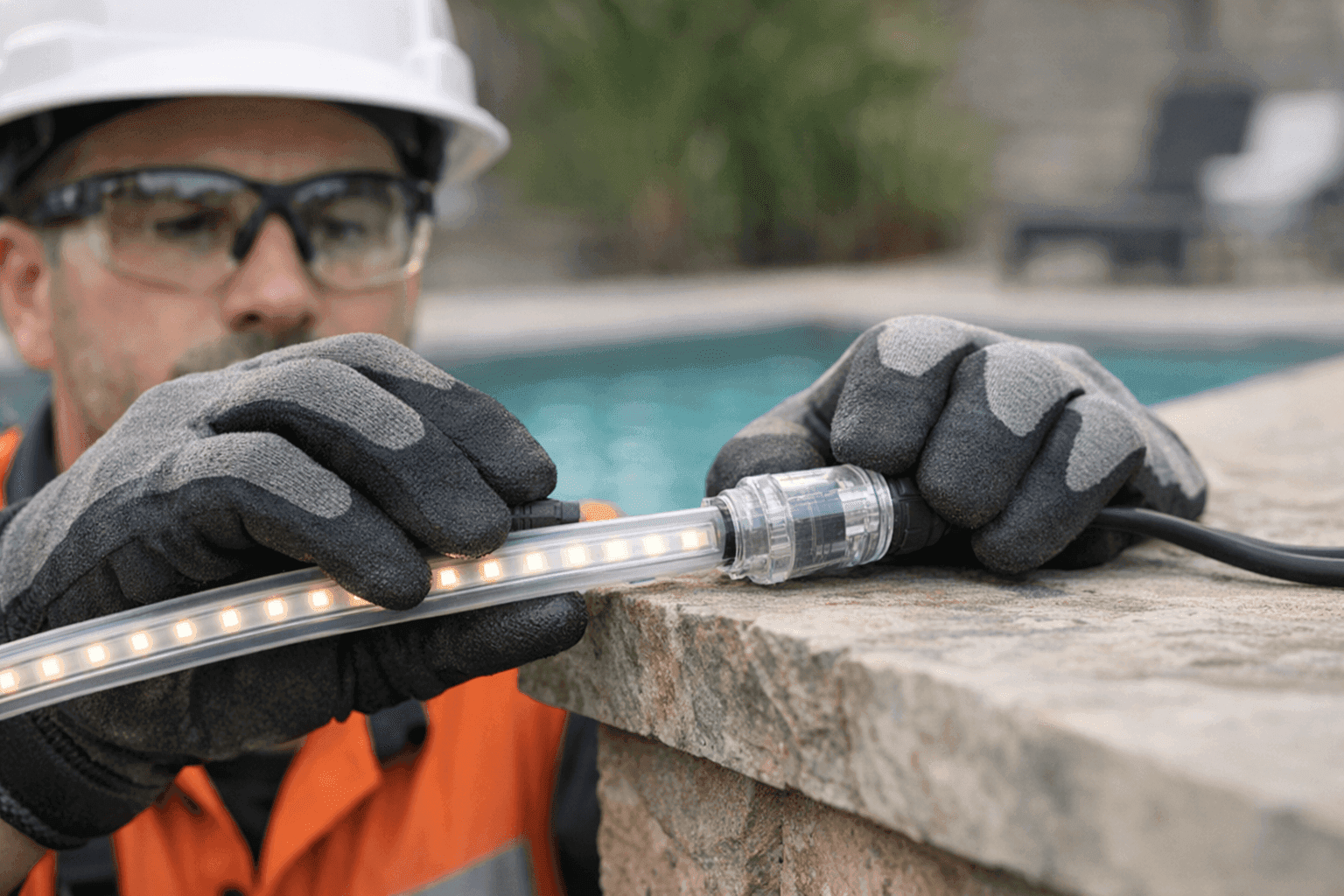
Swimming pools and spas turn a backyard into a retreat. Lighting them up makes every evening swim safer and more inviting. But water and electricity? They don’t mix—unless you know exactly what you’re doing.
At TXC Electric, we’ve seen the dangers of shortcuts and the beauty of a well-lit, safe pool. If you’re thinking about adding or updating pool and spa lighting, let’s walk through what matters most—so you can relax, not worry.
Pool and Spa Lighting Types 🌊
Lighting sets the scene. The right lights create a shimmering oasis or a lively party spot. But each type comes with its own installation and safety demands.
- LED Pool Lights: Energy-saving, long-lasting, and available in colors. They stay cool and need less maintenance.
- Halogen Lights: Bright and classic, but they use more power and generate more heat.
- Fiber Optic Lighting: The light source sits outside the pool; only the fiber carries light into the water. Great for safety, but pricier and less bright.
- Floating Lights: Portable and easy, but rarely as bright or reliable as wired options.
Before you choose, think about how you’ll use your space. Soft glow for relaxing? Bright for safety? A rainbow for parties? The right fixture makes all the difference.
Why Safety and Code Matter
When it comes to water and electricity, the stakes are high. The National Electrical Code (NEC) has strict rules for a reason: safety.
Pool and spa lighting must be:
- GFCI Protected: Ground Fault Circuit Interrupters (GFCIs) cut power instantly if there’s a leak. It’s like a lifeguard for your wiring.
- Bonded and Grounded: Metal parts must be connected to prevent stray voltage—no tingles, no shocks.
- UL Listed: Only use fixtures rated for pools and spas.
Never skip permits or inspections. Local code keeps everyone safe. You’ll also need to check the rules in your area for setbacks, conduit, and wiring types. For authoritative guidance, the NEC sets the baseline, but always check with your city’s building department.
Quick Safety Checklist Before You Begin
- Turn Off Power at the breaker—double-check with a voltage tester.
- Check for GFCI Protection on all pool and spa circuits.
- Inspect for Leaks or moisture where lights will go.
- Gather UL-listed Equipment only.
- Have a Permit if required in your area.
A shortcut here is like swimming with shoes on—uncomfortable, risky, and unnecessary.
Step-by-Step: Installing Pool Lighting
The process isn’t magic, but it is methodical. Here’s what a professional electrician does:
-
Plan the Layout
Decide where lights go. Avoid blind spots, and space fixtures for even coverage. -
Cut Power
Confirm everything’s off at the breaker box. -
Mount Fixtures
For new builds, set up niches and conduit during pool construction. For retrofits, use existing niches or install new ones as code allows. -
Wire with Precision
Use only waterproof wire connectors and direct-burial rated wiring. All splices must be accessible and above water level. -
Bond and Ground
Connect all metal components—ladders, rails, lights—to the pool’s bonding system. -
Test GFCI Function
Before water touches a single wire, confirm the GFCI trips fast. -
Final Inspection
Have the job checked by a licensed inspector.
If you’d rather leave it to the pros, check our Pool & Spa Electrical service page for details.
GFCI: The Silent Hero
GFCI protection is a must. Think of it as a seatbelt for your electrical system. It monitors the flow of power and stops everything cold if it senses danger.
- Install GFCI Outlets for any electrical equipment within 20 feet of the pool.
- Test Monthly by pressing the “Test” button. If it doesn’t trip, call an electrician.
Don’t see a GFCI? Don’t use the pool lighting until it’s installed.
Waterproofing: What the Pros Know 🛡️
Waterproofing isn’t just about a tight seal. It’s about layers of protection:
- IP-Rated Fixtures: Only use lights rated for underwater use (IP68 is standard).
- Waterproof Junction Boxes: Keep all wire connections dry and above water level.
- Conduit Runs: Use rigid, non-corrosive conduit—like PVC—for wiring in wet areas.
If you see any moisture inside a light or box, power down and call for help.
DIY vs. Call an Electrician
Changing a lightbulb? Maybe. Installing or rewiring pool lighting? That’s a different story.
- DIY is only for experienced homeowners with permits, code knowledge, and the right tools.
- Professional Electrician: Brings training, insurance, code compliance, and peace of mind.
For something as serious as pool and spa lighting, hiring an electrician means fewer headaches and a safer swim. If you’re searching for "Electrical System Installation near you," make sure your choice is licensed and insured.
What Happens When the Pros Arrive
Expect a walk-through first. We’ll check your panel, GFCI, wiring, and everything metal within reach of the pool. Then, we’ll:
- Map out fixture locations.
- Inspect existing wiring for age, corrosion, or rodent damage.
- Replace outdated or dangerous parts.
- Install, test, and clean up.
We treat your backyard like it’s our own—no muddy footprints, no mess left behind.
Common Mistakes to Avoid
- Mixing Old and New Wiring: Corrosion and mismatched materials cause shorts.
- Skipping GFCI: The number one safety risk. Never optional.
- Ignoring Manufacturer Instructions: Each light is different—read before you wire.
- Improper Waterproofing: Even a drip can cause a hazard.
If you spot rust, flickering, or cloudy water in a light fixture, shut it off and call a pro.
Signs of Trouble: When to Act Fast ⚡
- Lights Flicker or Fail: Could be a loose connection or water inside the housing.
- Breakers Trip Repeatedly: A GFCI that won’t reset means a fault.
- Shocks or Tingling Sensation: Turn off all power and don’t use the pool until checked.
- Water in the Fixture: Stop using immediately.
Don’t gamble. If you sense something’s off, let a trained electrician handle it.
Maintenance Tips for Longer-Lasting Lights
- Clean Lenses Regularly: Algae or calcium can dim the beam.
- Replace Bulbs With Care: Use only bulbs rated for your fixture.
- Inspect Gaskets and Seals: Replace if cracked, brittle, or leaking.
- Test GFCI Monthly: It’s quick and could save a life.
Keep a log of maintenance—date, what was done, and by whom.
Seasonal Considerations
In cold climates, winterize your system. Remove lights if required, or at least check seals before the freeze. In storm-prone areas, check wiring after heavy rain.
Before pool season starts, book a safety inspection. Small issues grow if left unchecked.
Timeline and Disruption: What to Expect
A simple bulb swap? Less than an hour. New installation or rewiring? A day or more, depending on access and weather.
We keep noise and mess to a minimum. Most jobs are done with the pool covered, keeping debris out of your water and out of sight.
Costs and Materials
Cost depends on:
- Type of lighting (LED, halogen, fiber optic)
- New vs. retrofit installation
- Wiring complexity
You’ll need:
- UL-listed fixtures
- Waterproof junction boxes
- GFCI outlets
- Conduit and bonding wire
A professional estimate will spell everything out in advance.
Troubleshooting: Quick Fixes and When to Call
- Bulb Out? Check breaker, GFCI, and try a new bulb.
- Breaker Trips? Unplug all pool equipment and reset. If it still trips, call an electrician.
- Water in Fixture? Shut off power and call for help.
If you’re unsure, it’s always safer to call. For more on Lighting and Installations, see our service pages.
FAQ
Q: Can I use standard outdoor lights in my pool or spa?
No—only lights marked for underwater use (IP68) and UL-listed for pools are safe.
Q: How often should GFCIs be tested?
Once a month. Press the test button and reset.
Q: Why does my pool light look dim?
Could be a dirty lens, old bulb, or water inside the fixture.
Q: Is it safe to replace a pool light myself?
If you’re asking, probably not. Water and electricity are a risky mix. Leave it to a licensed electrician.
Prevention Is Key: Safety Inspections
Book annual safety checks. We’ll spot trouble before it starts. Our team handles electrical safety inspections, maintenance, and repairs for both homes and businesses.
Looking for an electrician company in Kenosha? See our Lighting services for details.
Ready to make your pool or spa safer and brighter? Call TXC Electric now — or reach us anytime at 855-557-6564 .