How to Safely Install and Maintain Outdoor Electrical Outlets
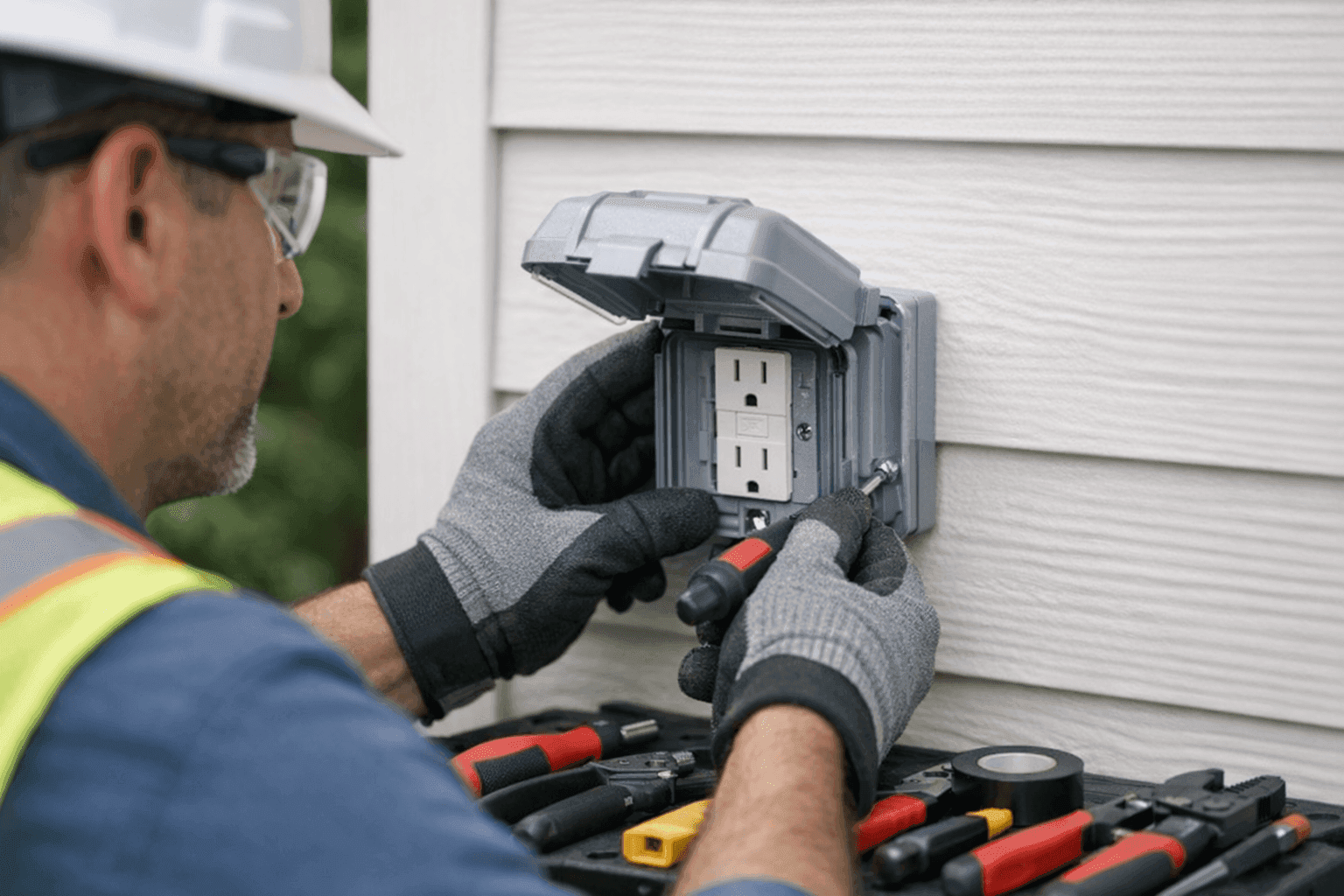
Outdoor electrical outlets make life easier. They power your backyard lights, holiday decorations, grills, and even electric lawn tools. But one loose screw or a little water in the wrong place can turn helpful into hazardous. Knowing how to install and maintain outdoor outlets safely isn’t just about convenience—it’s a matter of protecting your property and everyone who lives or works there.
At TXC Electric, we’ve seen what happens when shortcuts are taken or codes are ignored. So let’s get it right from the start.
Why Outdoor Outlets Matter ⚡
Outdoor outlets aren’t just a bonus feature. They’re a backbone for modern living. Whether you’re charging tools on a job site or powering up an entertainment system for a backyard party, these outlets offer flexibility and function. But exposure to the elements means risks go up.
Think of outdoor outlets as the front line between your electrical system and everything Mother Nature throws at it—rain, dust, bugs, and extreme temperatures. That’s why they require thoughtful installation and regular checks.
Understanding GFCI Requirements
By code (National Electrical Code, NEC 406.9), outdoor outlets must be protected by Ground Fault Circuit Interrupters (GFCIs). GFCIs act like lifeguards for your electrical system. If they sense even a small imbalance in the current—like what might happen if water gets in—they shut off power in a split second.
GFCIs are required for all exterior outlets. This isn’t just a suggestion; it’s the law. Skipping this step is like leaving your car unlocked in a busy parking lot. It makes things easy for trouble.
Quick Safety Checklist Before You Start
Before you even think about touching wires, make sure you:
- Turn off power at the breaker panel.
- Use a voltage tester to confirm the outlet is dead.
- Gather weatherproof boxes, GFCI outlets, proper wiring, and mounting hardware.
- Wear insulated gloves and eye protection.
If any of these sound unfamiliar, it might be time to consult an electrician for your Outlets & Switches.
Safe Installation Steps: Doing It Right
Installing an outdoor outlet is more than just screwing in a box. Here’s how the process should look:
- Plan the Location: Choose a spot out of direct rain but within easy reach of what you want to power. Avoid areas near sprinklers or heavy water flow.
- Drill with Care: Cut a hole through the exterior wall, making sure there are no hidden pipes, studs, or wires.
- Install a Weatherproof Box: Use a UL-listed outdoor box that seals tight against the wall. Caulk around the edges for extra protection.
- Wire it Up: Connect wiring according to local code. Attach the GFCI outlet, making sure ground wires are secure and connections are tight.
- Seal and Cover: Install a weatherproof “in-use” cover. This allows you to plug in cords and still keep the outlet protected from rain or snow.
- Test Everything: Restore power and use the GFCI test button to make sure it works. If it trips, double-check your wiring.
Weatherproofing: Your First Line of Defense 🌧️
Weatherproofing is to outlets what armor is to a knight. Without it, the smallest storm can cause big problems. Always use an “in-use” or bubble cover rated for outdoor use (UL or CSA listed). This keeps moisture, insects, and debris out—even when something’s plugged in.
Use silicone caulk to seal any gaps where the box meets your siding. Invest in heavy-duty, outdoor-rated extension cords if you plan to leave things plugged in for long periods.
Maintenance and Testing: The Routine that Saves Headaches
Outdoor outlets deserve a spot on your seasonal checklist. Here’s what maintenance looks like:
- Test GFCIs Monthly: Press the “Test” and “Reset” buttons to ensure quick shut-off and restore.
- Visual Inspection: Check for cracks, discoloration, or loose covers. Listen for buzzing or see if outlets feel warm.
- Clean and Clear: Remove any dirt, cobwebs, or leaves from around the outlets and covers.
- Check Caulking and Covers: Replace if cracked or loose.
If you notice any issues, reach out for Safety Checks to avoid bigger problems down the line.
DIY vs. Call a Pro: Know Your Limits
Swapping out a lightbulb is one thing. Outdoor electrical work is another. If you’re unsure how to wire a GFCI, can’t identify which breaker to turn off, or are unfamiliar with your local electrical code, it’s time to call a professional electrician.
Code violations can void insurance policies or create liability if someone gets hurt. It’s never worth the risk.
What Electricians Do On Arrival
When you hire TXC Electric, here’s what we bring to the table:
- Confirm power is off with calibrated testers—never guesswork.
- Inspect your panel and wiring for capacity and safety.
- Use code-approved boxes, GFCIs, and covers.
- Seal all connections and test for leaks.
- Provide clear documentation for any upgrades or repairs.
And yes, we always clean up after ourselves.
Common Mistakes to Avoid
Don’t let simple errors put your home or business at risk:
- Using indoor boxes or covers outside.
- Skipping GFCI protection.
- Forgetting to seal the box to the wall.
- Overloading circuits with too many outdoor devices.
- Ignoring regular testing or signs of damage.
These shortcuts can lead to tripped breakers, electrical fires, or even serious injury.
Prevention & Maintenance: Stay Ahead of Trouble
Like a regular oil change keeps your car running, periodic electrical safety inspections prevent trouble before it starts. Schedule maintenance visits, especially before rainy seasons or after harsh winters.
This is also the perfect time to ask about upgrades—like adding more outlets or integrating your outdoor system with smart home devices.
Signs of Trouble: Don’t Ignore These Red Flags
Pay attention to:
- Outlets that trip constantly or feel hot.
- Flickering lights when outdoor devices are plugged in.
- Burn marks, melted plastic, or a burning smell.
- Water stains inside or outside the cover.
If you notice any of these, shut off power immediately and call an electrician.
Costs, Timeline & Disruption: What to Expect
Installing a new outdoor outlet usually takes one to two hours for a pro. Costs depend on wiring distance, GFCI type, and whether new circuits are needed. Most installations are minimally invasive—just a small hole and some caulking.
Repairs or upgrades might take longer if there’s existing damage or code violations to fix.
Seasonal Considerations: Weather, Wildlife, and Wear
Texas heat, summer storms, and even squirrels can threaten outdoor outlets. Inspect after every major weather event. Make sure covers are intact and nothing’s chewed through the wiring.
Cold weather can make plastic brittle, so check for cracks in early spring.
When It’s an Emergency
If you see sparks, smell burning, or lose power outside after rain—don’t wait. Turn off the breaker and contact TXC Electric right away. Emergency calls are part of our 24-hour service, because safety doesn’t keep office hours.
FAQ: Fast Answers for Outdoor Outlets
Can I install an outdoor outlet myself?
If you’re comfortable with wiring, codes, and safety, it’s possible. But mistakes can be costly or dangerous. When in doubt, hire a licensed electrician.
How often should I test my GFCI?
Test monthly. It takes less than a minute and can prevent disaster.
What’s the difference between a regular and an outdoor outlet?
Outdoor outlets use weatherproof covers, special boxes, and must have GFCI protection by code.
Is it safe to leave things plugged in outside?
Only with weatherproof covers designed for in-use protection. Unplug when not needed.
Materials and Equipment: The Pro’s Checklist
- GFCI Outlets (UL-listed)
- Weatherproof, in-use covers
- Outdoor-rated electrical boxes
- Silicone caulk
- Proper gauge wiring
- Voltage tester
- Insulated tools
Cutting corners on materials is like building a boat with rotten wood. It might float at first, but it won’t last.
Timeline & Disruption: Smooth Sailing with Planning
With the right prep, most outdoor outlet projects are quick. Plan for a brief power outage as circuits are tested. Clean-up usually involves minor patching and sealing.
If you’re in Hilo and need an electrician company who understands both code and comfort, TXC Electric is ready to help.
The Bottom Line
Safe outdoor outlets start with careful planning, code-compliant installation, and regular testing. Whether you’re a homeowner, business owner, or property manager, don’t let this detail slip through the cracks.
For safe, reliable Installations—or if you just have questions—reach out to TXC Electric.
Call TXC Electric now — or reach us anytime at 855-557-6564 .