How to Prevent Overloaded Circuits & Breaker Trips
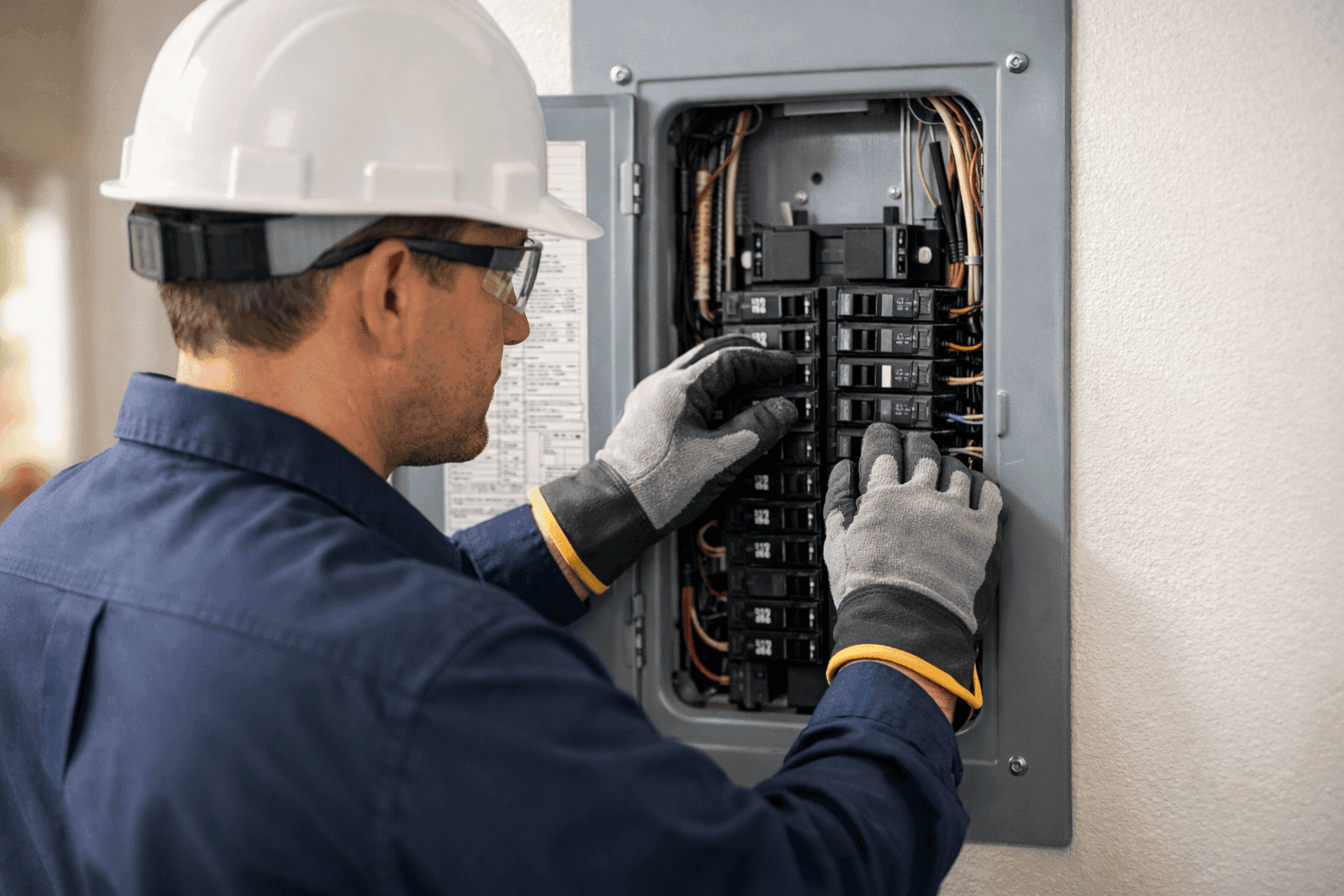
Is your breaker tripping again? It’s more than an annoyance—it’s a warning sign your electrical system needs attention. At TXC Electric, we know overloaded circuits aren’t just a hassle; they’re a real risk to your home or business.
Whether you’re plugging in a new appliance or powering up a busy office, you want your wiring to be safe and reliable. Let’s break down exactly how to keep your circuits—and your peace of mind—intact.
What is Circuit Overload? ⚡
Think of your electrical circuit like a highway. Every device you plug in is a car. Too many cars, and you’ve got a traffic jam. That’s overload. In technical terms, a circuit overload happens when you try to draw more electricity than the circuit was built to handle.
Your home or office wiring, even after a professional Wiring & Circuits, is designed for specific loads. When you exceed them, the breaker flips to prevent wires from overheating or catching fire—a crucial fail-safe, but one you shouldn’t rely on daily.
Signs and Dangers of Overloaded Circuits
How do you know if your circuits are overloaded? Here’s what to watch for:
- Frequent breaker trips or blown fuses
- Dimming or flickering lights when appliances run
- Warm or discolored outlets and switches
- A burning smell near outlets or panels
- Buzzing sounds from outlets or breaker boxes
Ignoring these signs is like ignoring the red light on your car’s dash. The risks aren’t just lost power—they include electrical fires and damaged devices. According to the National Fire Protection Association (NFPA), overloaded circuits are a leading cause of residential electrical fires.
The Quick Safety Checklist
Before you reset that breaker—stop. Run through these safety checks:
- Unplug a few devices from the affected circuit
- Inspect outlets for heat or discoloration
- Never use damaged cords or extension cords as permanent solutions
- Make sure your hands are dry and shoes are on before touching your panel
If anything seems off, or you spot damage, pause and call an electrician.
How Breakers Work (And Why They Trip)
Breakers are your home or business’s silent guardians. When the electrical flow exceeds safe limits, they “trip”—cutting power instantly to protect your wiring.
But if you’re resetting the same breaker over and over, it’s a sign the circuit is working too hard. It’s not just annoying; it’s a loud signal to investigate the real cause, not just treat the symptom.
Load Calculations: Know Your Limits
Every circuit has a limit, measured in amps. Most household circuits are rated for 15 or 20 amps, while commercial circuits may be higher. Here’s a simple way to judge:
- Add up the wattage of every device on a circuit
- Divide the total watts by the circuit’s voltage (usually 120V in homes)
- The answer is your amps—the number to keep below the breaker’s rating
For example, if you’ve got a coffee maker (1000W), toaster (800W), and microwave (1200W) all on one kitchen circuit: 1000 + 800 + 1200 = 3000W. Divide by 120V: 25 amps. That’s too much for a 20-amp circuit—no wonder the breaker trips!
Extension Cords: Friend or Foe?
Extension cords feel like a quick fix, but they’re just a temporary patch. Using them for permanent wiring is unsafe and can actually make overloads more likely. Never run extension cords under carpets or through doorways—and never daisy-chain them.
If you find yourself needing more outlets or plugging in too many devices, it’s time to talk about upgrading your wiring and circuits.
Smart Device Use: Plug in the Right Way
Be mindful of what you’re plugging in, and where. Some appliances, like air conditioners or space heaters, pull a lot of power and should have their own dedicated circuits. Here’s how to use your devices safely:
- Spread out high-wattage appliances to different outlets
- Use power strips with built-in surge protection for low-power devices
- Don’t plug one power strip into another (no “octopus outlets”)
- Unplug what you’re not using
Prevention Strategies for Homes and Businesses
Keeping your system safe isn’t rocket science. Here’s how to make sure your wiring doesn’t get overloaded:
- Schedule regular Safety Checks with a licensed electrician
- Upgrade old wiring and panels when adding new appliances or renovations
- Install dedicated circuits for heavy-use devices (EV chargers, microwaves, servers)
- Label your breaker panel for quick troubleshooting
- Replace old or loose outlets and switches
A little planning now saves a lot of headaches—and expense—later.
When to Call a Professional Electrician
Some fixes aren’t for DIY. If you spot melted wires, scorched outlets, or breakers that won’t reset, it’s time to call in the pros. Licensed electricians know how to spot hidden faults, test for damaged wiring, and bring your system up to code.
If you’re in the area searching for an electrician contractor you can rely on, TXC Electric is ready to help.
What Pros Do On Arrival
Expect a thorough inspection. Electricians check your panel, outlets, and wiring for signs of damage or improper connections. We’ll use industry-standard meters to measure load and identify which circuits need attention. Our recommendations are always based on National Electrical Code (NEC) guidelines for your safety.
Upgrading Circuits: How and When to Invest
Adding a new appliance or planning an office remodel? Don’t just “make do” with old wiring. Upgrading your circuits or Panels & Breakers can increase capacity and reliability. It’s an investment that pays off in safety and peace of mind.
Modern circuit breakers and panels offer better protection, with options like arc-fault and ground-fault breakers. These detect problems before they become emergencies.
Seasonal Overloads: Don’t Get Caught Off Guard
Winter heaters, summer air conditioners, and holiday lights all add stress to your circuits. Before the seasons shift, do a quick audit:
- Which devices run the most?
- Are you plugging in more than usual?
- Do old outlets feel warm?
It’s smart to schedule a safety check before heavy-use months.
Costs & Disruption: What to Expect
Worried about cost or downtime? Upgrades and repairs can usually be done with minimal disruption. Most panel or circuit upgrades are completed in a day. The real cost is in waiting—don’t risk damage or fire by putting off repairs.
Emergency or Not? When to Act Fast
If you smell burning, see smoke, or lose power to critical systems, it’s an emergency. Turn off the main breaker and call an electrician right away. For less urgent issues, like occasional trips, schedule a safety check soon.
Common Mistakes to Avoid
- Ignoring repeated breaker trips
- Overloading extension cords or power strips
- Covering outlets or cords with rugs
- Using old, two-prong (ungrounded) outlets for modern devices
- DIY repairs without proper knowledge
Playing it safe pays off. Even if it feels like a small inconvenience, these mistakes can have big consequences.
Frequently Asked Questions
Q: Why does my breaker trip every time I use my hair dryer or microwave?
A: High-wattage appliances may be on the same circuit. Each has a big appetite for power. Consider moving one to a different outlet or having a dedicated circuit installed.
Q: Can I just use a bigger breaker to stop trips?
A: Never replace a breaker with a higher-amp one unless the wiring is also upgraded. The breaker is there to protect the wires. Oversizing it is a fire hazard and a violation of code.
Q: How often should I have my wiring checked?
A: NFPA recommends an inspection every 3–5 years, or whenever you add new appliances, renovate, or notice issues.
Timeline and Disruption
Most troubleshooting visits take just a couple hours. Upgrades or rewiring may take a day or two, depending on your building and needs. Our team always works to minimize disruptions so you can get back to normal quickly.
Local Help When You Need It
If you’re searching for reliable wiring and Panels & Breakers in Moline, TXC Electric is here for you—fast, professional, and always code-compliant.
The Bottom Line: Stay Safe, Stay Powered
Breaker trips and circuit overloads are more than a nuisance—they’re a sign your electrical system needs attention. Don’t ignore the warning lights. Keep your wiring healthy with regular maintenance, smart device use, and timely upgrades.
Call TXC Electric now — or reach us anytime at 855-557-6564 .