How to Prevent Electrical Hazards with Pets at Home
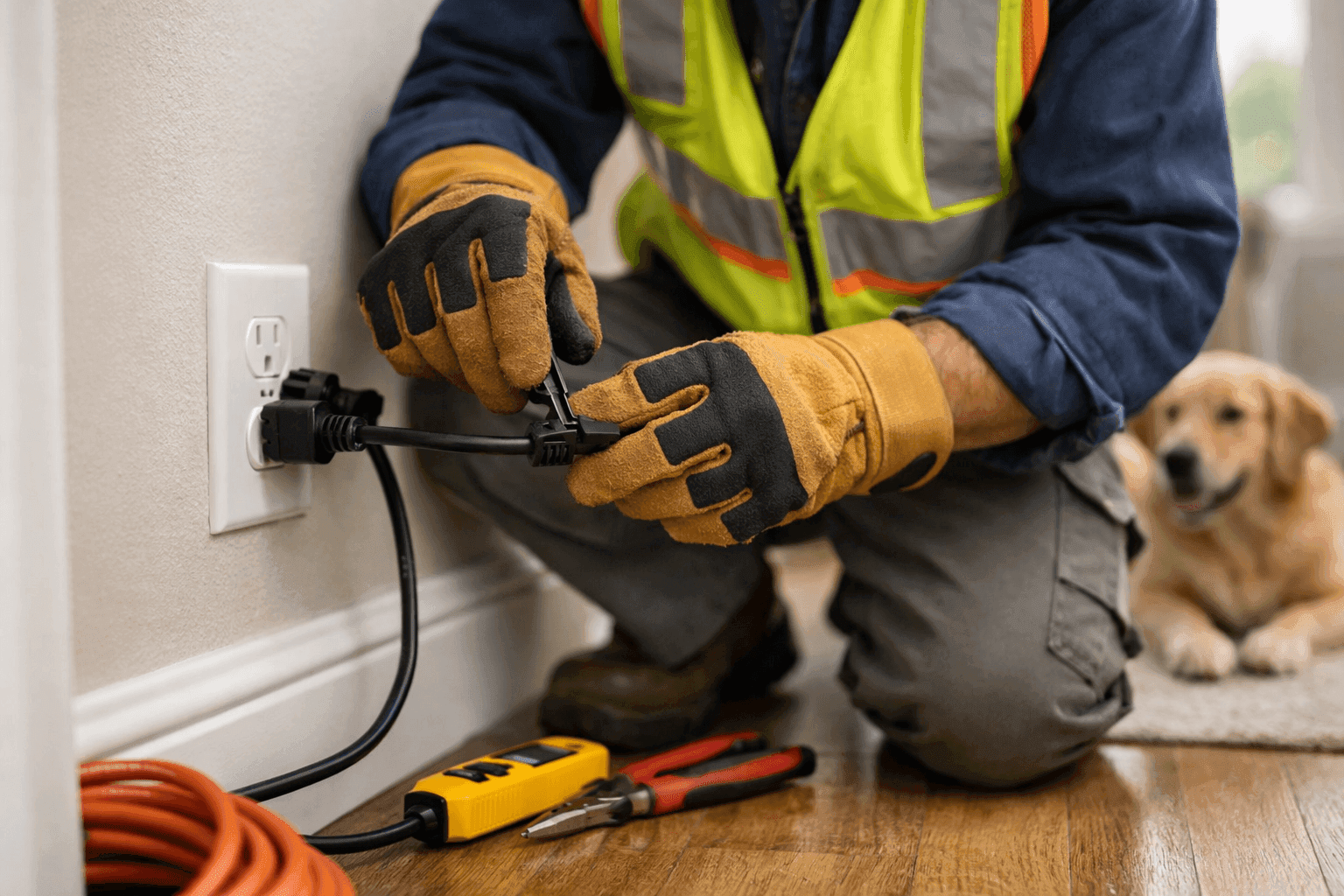
Every pet owner knows the sound—a sudden crash, a thump, maybe a yelp. Your heart skips. Pets, like toddlers with tails, explore with their noses, paws, and teeth. But where curiosity leads, danger can lurk—especially when electrical cords, outlets, and appliances come into play.
At TXC Electric, we’ve seen firsthand how even the most well-loved house can hide hazards for your furry (or feathered, or scaly) companions. Electrical safety isn’t just about code compliance; it’s about peace of mind for your whole family—paws included.
Pet-Related Electrical Risks 🐾
Pets are clever and quick. Sometimes too quick. Cats hunt dangling cords like snakes. Puppies chew wires as if they were sticks in the park. Even birds and ferrets can wriggle behind electronics, seeking warmth or adventure.
Here’s where the risks add up:
- Chewing: Dogs, rabbits, and rodents often gnaw on wires. One bite can mean a shock—or worse.
- Clawing and Scratching: Cats may scratch at outlets or cords, fraying insulation.
- Spills: Pets can knock over water bowls near sockets or surge protectors.
- Nesting or Hiding: Small animals burrow into dark, warm places—sometimes behind major appliances.
The result? Shock, burns, fires, or even life-threatening injuries. According to the National Fire Protection Association (NFPA), electrical distribution or lighting equipment is involved in nearly 34,000 home structure fires per year. Add pets to the mix, and the risk grows.
Safe Cord Management: Out of Sight, Out of Mind
Cords are like spaghetti to a curious pet. The best strategy? Make them disappear.
- Cord Covers: Use heavy-duty covers or PVC tubing to hide exposed wires. These are available at most hardware stores.
- Furniture Placement: Rearrange sofas, bookshelves, or rugs to block access to outlets and cords.
- Cord Shorteners: Keep excess wire coiled and out of reach. No slack, no temptation.
- Wireless Options: Where possible, select wireless charging stations or battery-powered devices.
If you must run cords across a room, tape them down securely and check regularly for signs of wear.
Outlet Safety: Little Holes, Big Dangers
What looks like a harmless pair of dots to you is a fascinating puzzle for a pet. Outlets are prime targets for both paws and noses.
- Outlet Plugs: Plastic inserts are simple but effective for unused outlets.
- Tamper-Resistant Outlets: These outlets include built-in shutters that only open with equal pressure—making it difficult for paws or snouts to get inside.
- Outlet Covers: For high-traffic pet areas, consider full outlet covers that prevent even the most determined animal from access.
Upgrading your outlets? Our Outlets & Switches service can help you choose and install the safest options for your home.
Appliance Placement: Set It and Forget It (Safely)
Appliances—from space heaters to humidifiers—can be magnets for curious pets. And accidents happen fast.
- Keep Appliances Elevated: Place small appliances on shelves, counters, or tables, away from wagging tails and twitching whiskers.
- Block Access: Use gates or barriers to keep pets out of laundry rooms, garages, or home offices where many appliances live.
- Dry the Area: Never leave water bowls (or litter boxes) near plugged-in devices.
Check that heavy appliances like fridges and washers have their cords tucked safely behind, not dangling where a cat or dog can find them.
Quick Safety Checklist: Pet-Proof Your Power
Before you leave for work—or even just step out of the room—run through this lightning-fast checklist:
- Cords hidden or covered?
- Outlets protected?
- Appliances out of reach?
- No water near electronics?
- Pet toys far from wires?
If you answer “no” to any, take a minute and fix it. Small steps can save lives.
DIY vs. Call a Pro—Where’s the Line?
Some pet-proofing is simple. Plug covers? You can do that. But when it comes to wiring, outlet upgrades, or surge protection, it’s safer to hire a professional electrician.
Here’s when to call in TXC Electric:
- Exposed or Damaged Wires: If your pet has chewed through a cord, don’t just tape it. Damaged insulation can cause hidden fires.
- Warm Outlets or Plugs: Heat means trouble. It could be a sign of overloading or faulty wiring.
- Repeated Tripping: If breakers or GFCIs trip after a pet incident, you need a pro.
- Installing Tamper-Resistant Outlets: These upgrades should be handled by a licensed electrician.
For fast, reliable Safety Checks or help with Residential Services, our team is ready.
What Pros Do On Arrival
When a TXC Electric technician arrives, here’s what you can expect:
- Inspection: We’ll walk your home, looking for exposed wires, overloaded outlets, and pet-accessible danger zones.
- Testing: Using certified meters, we’ll test circuits, GFCIs, and smoke detectors.
- Solutions: We’ll recommend repairs, upgrades, or cord management strategies tailored to your space—and your pets.
- Education: We’ll show you how to keep things safe long after we leave.
All work is performed according to the National Electrical Code (NEC) and local safety guidelines.
Prevention & Maintenance: Stay Ahead of the Game
Just like daily walks or regular vet visits, electrical safety needs routine attention.
- Inspect Cords and Outlets Monthly: Look for fraying, bite marks, or scorch marks.
- Replace Damaged Devices Immediately: Don’t risk a quick fix if the underlying problem persists.
- Schedule Regular Safety Checks: An annual inspection can catch hazards before they cause harm.
- Update as Pets Grow: A puppy may not reach the same shelves as an adult dog. Adapt your safety plan as their agility changes.
Costs & Time Factors: What to Expect
Pet-proofing your home doesn’t have to break the bank. Outlet covers and cord protectors are inexpensive and widely available. Upgrading outlets or running new circuits costs more, but think of it as an investment—like installing a fence or a pet door.
Most safety upgrades can be completed in a single visit. For larger projects—like full [Electrical System Installation near you]—expect a bit more planning and coordination.
When It’s an Emergency
If you see sparks, smell burning plastic, or your pet gets shocked:
- Unplug the Device (If Safe): Don’t touch your pet or the appliance with bare hands—use a non-conductive object like a wooden broom handle.
- Call Emergency Services: If your pet is injured, seek veterinary care immediately.
- Shut Off Power: Use your breaker panel to cut power to the affected area.
- Contact TXC Electric: For urgent electrical repairs, our 24-hour service is always available.
Signs of Trouble: Don’t Ignore These Clues
Animals can’t tell you what’s wrong—but your home might.
- Flickering lights in pet-accessible rooms
- Outlets that spark when you plug or unplug devices
- A persistent burning smell near electronics
- Pets acting oddly around certain appliances or cords
If you notice any of these, call a professional. Fast.
FAQ: Common Pet-Related Electrical Questions
Are wireless devices safer for homes with pets?
In general, yes—fewer cords mean fewer risks. But always follow manufacturer instructions.
What if my pet chews a phone or internet cable?
Replace it promptly. Low-voltage doesn’t always mean “safe,” and exposed wires can still cause harm.
Can I install tamper-resistant outlets myself?
It’s possible for experienced DIYers, but for most homeowners, hiring an electrician is safer and ensures compliance with code.
Are certain pets more at risk?
Chewers (puppies, rabbits, rodents) and climbers (cats, ferrets) are most likely to find trouble.
Timeline & Disruption: How Long Will Pet-Proofing Take?
Most minor upgrades—like adding outlet covers or cord protectors—take just minutes. For a whole-home safety check, plan on an hour or two. Larger projects (like rewiring or surge protection) vary by home size and scope but are usually completed within a day.
We’ll work with you to minimize disruption for both your family and your pets.
Materials & Equipment: What You’ll Need
- Outlet covers or tamper-resistant outlets
- Cord covers or conduit tubing
- Cable management tools (clips, ties, organizers)
- GFCI outlets in kitchens, bathrooms, and laundry rooms
- Smoke and carbon monoxide detectors (with pet-safe placement)
For professional installations or upgrades, TXC Electric provides all necessary equipment—installed to code.
Seasonal Considerations: Holidays, Storms, and More
During holidays, extra lights and decorations mean more cords and outlets in use. Watch for pets chewing on holiday lights or climbing trees decorated with electrical ornaments. Storms or power outages? Backup generators and surge protectors should be installed and secured.
Common Mistakes: Learn from Others
- Using tape to repair damaged cords—never safe
- Overloading outlets near pet beds or feeding stations
- Ignoring minor shocks or flickers
- Failing to update safety as pets age or new pets arrive
Stay vigilant and proactive.
Electrical System Installation Near You: Making Homes Pet-Safe
Whether you're in an apartment or a sprawling family home, integrating pet safety into your electrical system pays off. If you’re looking for an electrician company that understands both code and animal behavior, TXC Electric brings both technical skill and compassion to every visit.
Final Thoughts: Peace of Mind for You and Your Pets
Curiosity is part of what makes pets wonderful. With a little planning—and the right help—you can keep that curiosity from turning dangerous.
For help with pet-proofing, safety checks, or any electrical issue, TXC Electric is your go-to partner for peace of mind.
Call TXC Electric now — or reach us anytime at 855-557-6564 .