How to Prevent Electrical Fires: Expert Tips for Every Season
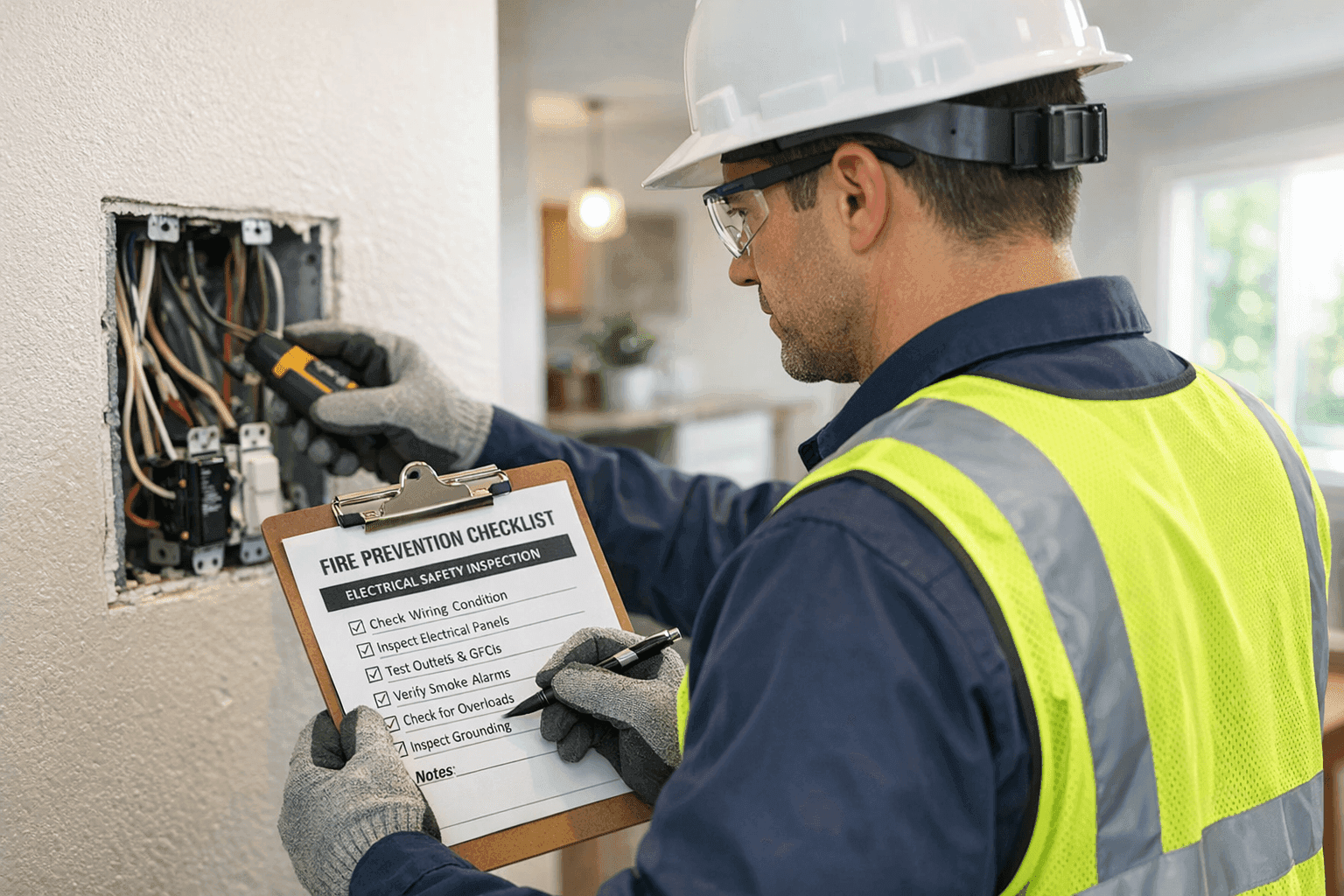
Feeling safe starts at home—or at your business. But hidden behind walls or tucked into corners, electrical systems can sometimes turn from a convenience into a real hazard. Every year, electrical fires cause millions in damages and upend lives. The good news? Most can be prevented with a sharp eye, basic know-how, and the right help.
At TXC Electric, we've seen what happens when warning signs are ignored or shortcuts are taken. Our licensed electricians know the codes, the risks, and the steps that keep families, employees, and properties protected. Let's break it down, one risk at a time.
Common Fire Causes: What Sparks Trouble
Electrical fires rarely announce themselves with a bang. Often, they start with something small—a wire overheating, a loose outlet, or an overloaded power strip. Here are the usual suspects:
- Overloaded Circuits: Plugging too many devices into one outlet is like trying to funnel a river through a straw. It overheats, wires melt, and before you know it, you’re facing a fire.
- Faulty Wiring: Wires age, get chewed by pests, or simply weren’t installed right. Each is a ticking time bomb.
- Outdated Electrical Panels: Modern appliances demand more. Old panels can’t keep up and may overheat.
- Damaged Outlets and Switches: Cracked, loose, or sparking outlets are a clear red flag.
- Improper Use of Extension Cords: They’re for temporary use, not permanent fixes.
According to the National Fire Protection Association (NFPA), electrical distribution systems are a leading cause of home structure fires. Staying ahead of these risks is a must.
Seasonal Hazards: When Weather and Habits Shift ⚡
Every season brings its own electrical risks. Winter means space heaters and holiday lights. Summer brings storms and pool equipment. Here’s what to watch for:
- Winter: Space heaters, electric blankets, and holiday decorations can strain circuits. Make sure cords aren’t pinched or run under rugs.
- Spring: Rainstorms can lead to power surges and water seepage—keep outlets and wiring dry.
- Summer: Pools, spas, and air conditioners draw heavy loads. Check that outdoor outlets are GFCI-protected and equipment is wired safely.
- Fall: DIY projects and old heating systems can stir up trouble. Inspect before you power on.
Holiday lighting is beautiful, but too many strings end up tangled not just on the tree, but in overloaded circuits. Always follow the manufacturer's guidelines and never daisy-chain more than recommended.
Warning Signs: What Your System Is Telling You
Your home or business is always sending signals—it’s your job to listen. If you notice any of these, it’s time to act:
- Flickering or dimming lights
- Burning smells or warm outlets
- Frequent breaker trips or blown fuses
- Sparking when plugging in devices
- Discolored wall plates or outlets
Any one of these is a whisper for help. Don’t ignore it.
Safe Use of Appliances: Habits That Matter
Appliances are part of daily life, but misuse is a leading fire cause. Here’s how to stay safe:
- Read the manual: It’s not just a suggestion—manufacturers know their stuff.
- Unplug when not in use: Especially with toasters, space heaters, and coffee makers.
- Never run appliances unattended: Dishwashers and dryers can malfunction when you least expect it.
- Check cords for damage: Frayed wires are a shortcut to disaster.
Remember, surge protectors are your friend, but even they have limits. If you’re unsure, ask an electrician. “Electrical System Installation near you” isn’t just a search term—it’s a lifesaver.
Emergency Planning: Be Ready, Not Sorry 🚨
No one expects an electrical fire, but everyone should prepare. Here’s a quick plan:
- Install smoke and carbon monoxide detectors: Test monthly. Replace batteries twice a year.
- Know your panel: Know how to shut off power quickly.
- Plan escape routes: Practice fire drills, especially if you have kids or employees.
- Post emergency numbers: Fast access saves precious seconds.
Having a fire extinguisher rated for electrical fires (Class C) nearby can stop a small problem from becoming a catastrophe.
DIY vs. Call a Pro: Know Your Limits
Changing a lightbulb? Go for it. Rewiring a circuit or adding outlets? That’s a job for a licensed electrician. It’s not just about skill—it’s about safety and code compliance. The National Electrical Code (NEC) sets strict standards for good reason.
If you’re unsure, don’t guess. TXC Electric’s certified team can handle everything from installations to safety checks.
Quick Safety Checklist: Your First Line of Defense
- Test GFCI outlets monthly.
- Look for loose wall plates or exposed wires.
- Replace damaged cords right away.
- Don’t use extension cords as permanent wiring.
- Schedule regular maintenance checks.
A few minutes each month can mean the difference between peace of mind and panic.
What Pros Do On Arrival: The TXC Electric Process
When our electricians step into your home or business, here’s what happens:
- Visual Inspection: We look for obvious risks—scorched outlets, outdated panels, messy wiring.
- Testing Circuits and Loads: Using specialized tools, we test for overloads, poor connections, and hidden faults.
- Code Compliance Review: We check everything against the NEC and local regulations.
- Clear Recommendations: No jargon. Just plain language advice and a prioritized action list.
Prevention & Maintenance: The Long Game
Electrical safety isn’t a one-and-done deal. It’s an ongoing habit. Annual electrical safety inspections catch problems before they spark. Here’s what else helps:
- Upgrade panels and wiring as needed.
- Replace outdated outlets with GFCI/AFCI models.
- Schedule professional service for major appliances and systems.
Regular checkups are as essential as oil changes for your car.
Costs & Time Factors: What to Expect
Worried about cost or downtime? Most electrical safety inspections are quick—usually under two hours for a typical home. Minor repairs are often handled on the spot. Larger upgrades may take longer, but they’re investments in safety, not just expenses.
When It’s an Emergency: Don’t Wait
If you see smoke, sparks, or smell burning plastic, turn off the power at the panel and leave the building. Call 911, then us. Fast action saves lives.
FAQ: Common Questions, Straight Answers
Q: How often should I schedule an electrical safety inspection?
A: At least once every three years for homes, annually for businesses or older properties.
Q: Can I use power strips for heaters or large appliances?
A: Never. Plug high-wattage items directly into a wall outlet.
Q: Are older homes at higher risk?
A: Yes. Outdated wiring and panels struggle with today’s loads.
Timeline & Disruption: What’s the Process Like?
Most inspections and minor repairs are minimally disruptive. Our electricians work efficiently, keep spaces tidy, and explain any needed shutdowns. For major rewiring or panel upgrades, we’ll walk you through the schedule step by step.
Materials & Equipment: Quality Matters
We use UL-listed, code-approved materials for every job. Cheap or counterfeit components pose serious risks. If you’re not sure about a part or device, ask before you install.
Common Mistakes to Avoid
- Ignoring flickering lights or tripped breakers
- Overusing extension cords
- Skipping regular maintenance
- Trying DIY repairs on complex systems
Electrical safety isn’t about luck. It’s about smart choices and professional care.
Your Next Step: Stay Safe, Stay Proactive
An ounce of prevention is worth a house full of regret. Whether you need a routine check, a Electrical Safety Inspections, or help with a stubborn circuit, TXC Electric is here to help. Our team serves both homes and businesses, providing honest advice and real solutions you can trust.
Call TXC Electric now — or reach us anytime at 855-557-6564 .