How to Prevent Electrical Damage During Freezes & Extreme Weather
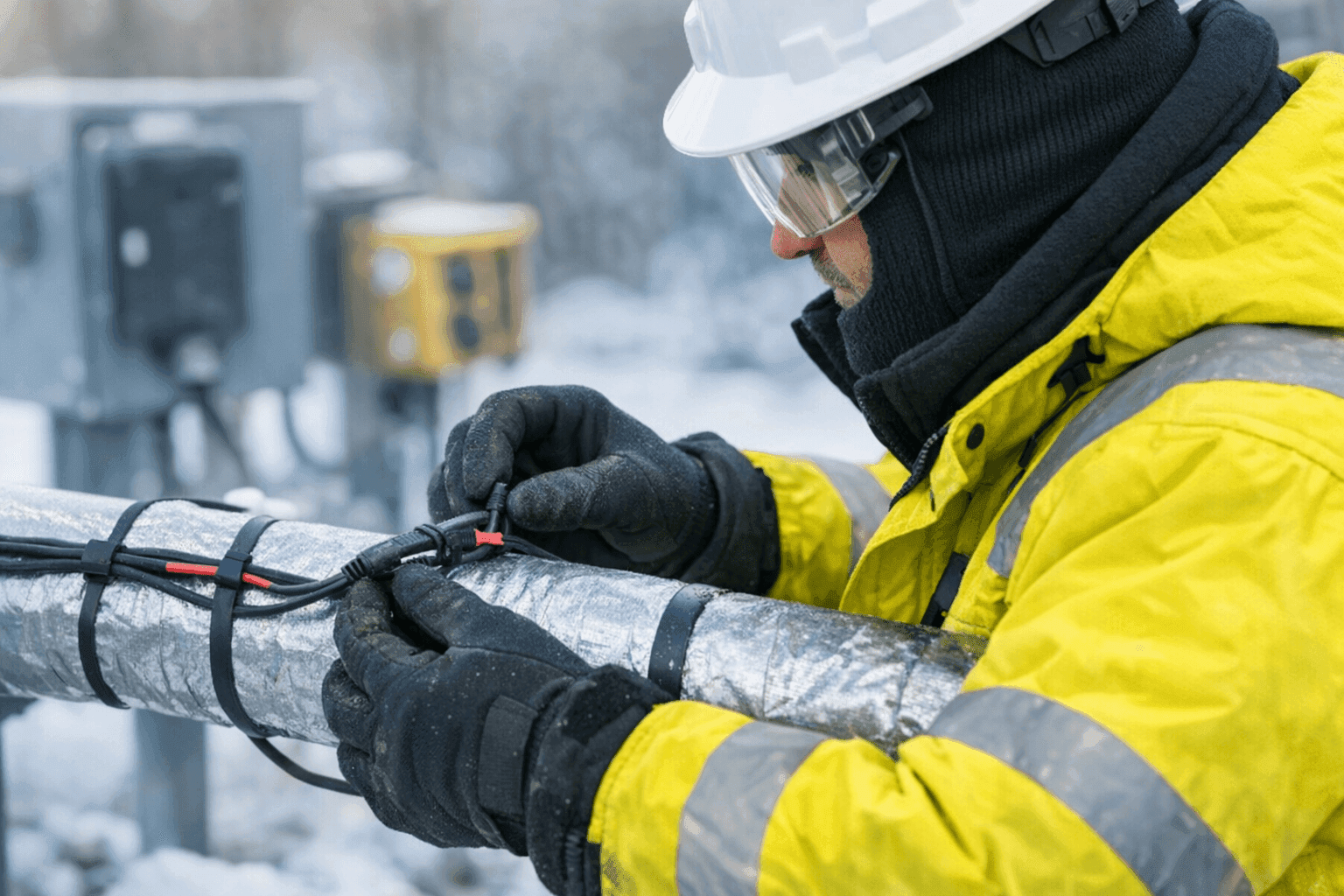
Winter’s chill can sneak into the smallest cracks—right into the heart of your electrical system. Ice, wind, and sudden freezes don’t just threaten pipes. They put your wiring, panels, generators, and appliances to the ultimate test.
At TXC Electric, we’ve seen the aftermath: fried circuits, dead outlets, and homes left in the dark. But with a few smart steps and a little professional know-how, you can keep your property safe, warm, and powered—no matter what the forecast throws your way.
Weather Risks to Electrical Systems ⚡️
When temperatures plummet, your electrical system faces challenges that go far beyond a simple blown fuse.
- Frozen Wires: Like water pipes, wires and cables expand and contract. Extreme cold can make them brittle, leading to cracks or breaks.
- Ice & Moisture Intrusion: Ice storms or heavy snow can force moisture into outdoor outlets, breaker boxes, and conduit. Water and electricity? Never a good mix.
- Power Surges & Outages: Grid failures, downed lines, or overloaded panels are common during winter storms.
- Mechanical Damage: Wind and ice can pull down overhead lines and damage fixtures.
According to the National Electrical Code (NEC), weatherproofing and regular inspection are your best lines of defense.
Quick Safety Checklist: Before the Freeze Hits
Preparation is your best friend. Here’s what to check before the mercury drops:
- Inspect outdoor outlets and covers for cracks or gaps.
- Test GFCI and AFCI outlets (the ones with “test/reset” buttons).
- Make sure all exterior wiring is secure and properly insulated.
- Check your backup generator—fuel, oil, and battery.
- Schedule an electrical safety inspection; a trained electrician can spot hidden risks fast.
Not sure where to start? Our maintenance team is always ready to help.
Preparation Steps Every Homeowner Should Take
Let’s break down what you can do today to stay ahead of the storm.
- Seal the Gaps: Use exterior-grade caulk or foam around junction boxes, meter bases, and conduit.
- Upgrade Outlets: Install weather-resistant, code-compliant covers on all outdoor sockets—even those rarely used.
- Test Your System: Flip breakers, check for flickering lights, and note any odd buzzing or popping noises.
- Label Your Panel: Make sure every switch is clearly marked. Sounds basic, but it saves time in an emergency.
For commercial properties, consider a full Safety Checks service in the fall—before winter surprises you.
Insulation and Weatherproofing: Shielding Your Wires 🧤
Imagine your wiring wrapped up like it’s wearing a winter coat. That’s what proper insulation does.
- Use Approved Insulation: Only use insulation and wraps rated for electrical applications. Never improvise with household materials.
- Protect Outdoor Conduit: PVC or metal conduit can crack in extreme cold. Inspect for damage and replace if needed.
- Check Attics & Crawlspaces: Unfinished spaces are prime spots for cold drafts that freeze pipes and wires alike.
Refer to guidance from the National Fire Protection Association (NFPA) and local building codes for insulation best practices.
Generator Readiness: Backup Power When You Need It Most
Backup generators aren’t just for the “doomsday preppers.” They’re a lifeline when ice knocks out the grid.
- Routine Generator Maintenance: Run your generator monthly, even if you don’t need it. Check oil, filters, and connections.
- Safe Transfer Switches: Never “backfeed” your home by plugging a generator into a wall outlet. Install a transfer switch for safety and code compliance.
- Fuel Storage: Store enough fuel for at least 24 hours of use, but never inside your home or attached garage.
If you aren’t sure your system is up to snuff, our Generators service can keep you ready for anything.
Emergency Response: What To Do If the Power Goes Out
Lights flicker, then darkness. It’s unsettling, but you can stay calm and safe with a plan.
- Shut Off Major Appliances: This keeps circuits from overloading when power returns.
- Check for Damage: Smell burning plastic? Hear popping? Leave the area and call an electrician immediately.
- Use Flashlights, Not Candles: Reduce fire risk during extended outages.
- Stay Informed: Use a battery-powered radio or phone for updates.
If you’re in a commercial building, follow established evacuation and emergency protocols.
DIY or Call an Electrician? Knowing Your Limits
Some jobs are like changing a lightbulb. Others, like rewiring a frozen panel, require a pro.
Safe for DIY:
- Replacing outlet covers.
- Plugging in portable heaters (on dedicated outlets).
Call an Electrician For:
- Panel or breaker issues.
- Water or ice inside outlets.
- Flickering lights after a freeze.
Trying to fix these problems yourself can lead to injury—or worse.
What Pros Do On Arrival: Inside a Freeze Response
When our team shows up after a hard freeze, here’s what we tackle first:
- Visual Inspection: We look for frost, condensation, and ice buildup on panels and outdoor equipment.
- Thermal Scanning: Special tools reveal hidden cold spots and damaged wires.
- Test Critical Circuits: Essential systems—heat, lights, security—come first.
- Document & Repair: Everything is logged for insurance and code compliance.
We follow guidelines from the Electrical Safety Foundation International (ESFI) for every inspection.
Prevention & Maintenance: The Year-Round Plan
Think of electrical maintenance like regular oil changes for your car. Skipping it? Not worth the risk.
- Monthly: Test GFCI/AFCI outlets and run your generator.
- Seasonal: Inspect outdoor wiring and surge protectors. Replace batteries in smoke and carbon monoxide detectors.
- Annually: Schedule a professional safety inspection before winter and summer extremes.
Regular maintenance saves you money and headaches—every season.
Costs & Time Factors: What to Expect
- Minor Freeze Prep: Upgrading covers or insulation usually takes a few hours and modest investment.
- Major Repairs: Rewiring or panel replacement after severe damage can take days—and cost much more.
Preventative work is almost always cheaper than post-storm repairs.
When It’s an Emergency: Recognizing the Signs
Don’t wait for sparks to fly. Watch for:
- Burning smells near outlets or panels.
- Persistent tripped breakers.
- Water leaking near electrical equipment.
- Outlets or switches hot to the touch.
If you notice any of these, leave the area and call a licensed electrician.
FAQ: Common Winter Electrical Questions
Q: Can pipes freeze and cause electrical problems? A: Yes. Burst pipes can flood wiring, outlets, and breaker boxes, leading to shorts and fire hazards.
Q: Is it safe to use space heaters during a power outage? A: Only with a generator and never on extension cords. Always follow manufacturer guidelines.
Q: Do I need a surge protector? A: Absolutely. Severe weather causes voltage spikes, which can fry sensitive electronics.
Seasonal Considerations: Not Just a Winter Problem
Summer storms and hurricanes bring their own risks—flooded basements, lightning strikes, and wind damage. Year-round maintenance keeps you prepared for every season.
Common Mistakes That Lead to Costly Damage
- Using plastic bags or tape as insulation.
- Ignoring small water leaks near outlets.
- Overloading circuits with portable heaters.
- Skipping regular safety checks.
Even one mistake can lead to thousands in repairs—or worse.
Signs of Trouble: What to Watch For
- Flickering or dimming lights.
- Circuit breakers tripping repeatedly.
- Outlets that don’t work or feel warm.
- Unexpected high utility bills.
These are all signals that your system needs attention—fast.
Timeline & Disruption: How Long Does It Take?
Most preventive steps can be done in a single visit. Major repairs might take a day or two, depending on the damage and parts availability.
We aim to keep downtime minimal, so your home or business stays safe and functional.
Materials & Equipment: What the Pros Use
- Code-rated insulation and weatherproof covers.
- Thermal imaging cameras for hidden damage.
- Voltage testers and surge protection.
- Backup generator systems.
Only use equipment that meets current NEC and UL standards.
Local Help Is Always Nearby
If you’re searching for an electrician company you can count on, our team covers your area. For more information about electrician services in Wilmington, contact us today.
Final Thoughts: Stay Safe, Stay Prepared
Don’t leave your safety to chance. With a little planning—and help from the right professionals—you can weather any storm.
Call TXC Electric now — or reach us anytime at 855-557-6564 .