How to Plan Electrical Upgrades for Home Additions
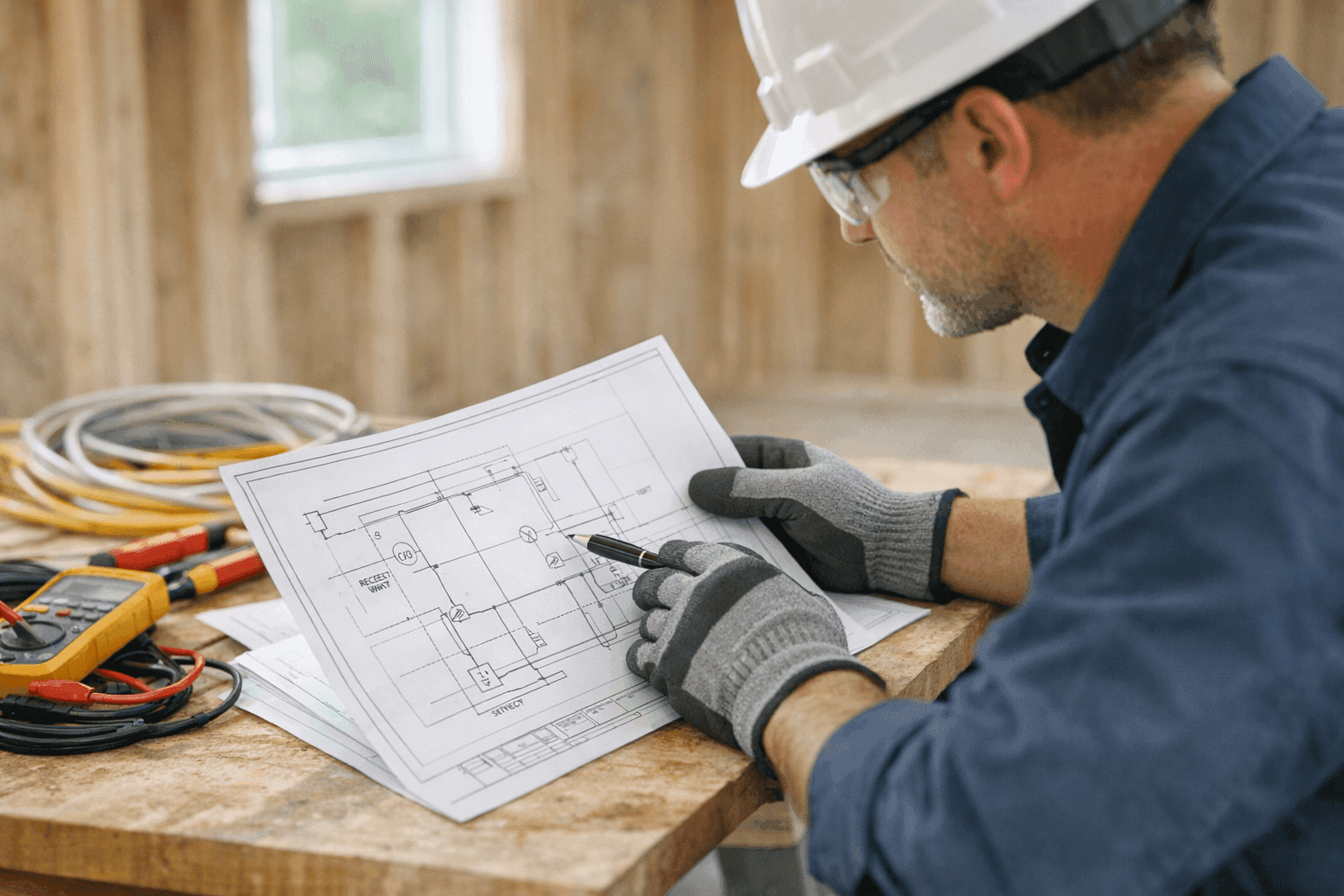
Adding a room—or even a whole new wing—to your home is exciting. But one overlooked wire can turn that dream into a headache. If you want lights that actually turn on and outlets where you need them, planning your electrical upgrades is as crucial as picking paint colors.
At TXC Electric, we know a safe and reliable system doesn’t happen by accident. It takes careful planning, attention to detail, and an understanding of the codes that keep your family or business safe.
Planning for New Spaces 🏠
Every addition is unique. Maybe it’s a sunny breakfast nook, a basement office, or a new conference room. Each new space brings its own set of electrical needs.
- List out your must-haves: How many outlets? Any smart switches? USB charging?
- Consider future needs: Will this space ever need more tech or higher-powered appliances?
- Think about lighting: Natural vs. artificial, dimmers, or specialty fixtures.
- Don’t forget convenience: Will you want an EV charger close by, or a dedicated circuit for a hobby?
A good electrician looks beyond today’s needs. At TXC Electric, we help clients imagine not just how the space will be used now, but how it might grow.
Load Calculations: Don’t Overload the System
Adding square footage isn’t just about more walls. It’s about more demand on your home’s electrical heart. The National Electrical Code (NEC) has strict requirements for how much load your panel can safely handle.
- Calculate the total amperage needed for new devices.
- Factor in HVAC, kitchen appliances, or high-wattage electronics.
- Avoid daisy-chaining circuits or overloading existing lines.
A professional load calculation prevents nuisance tripping, keeps your home safe, and ensures you have enough power to enjoy your addition.
Panel Upgrades: Is Your System Ready?
Sometimes, the old electrical panel just can’t keep up. If your home’s “breaker box” is already full, it might be time for an upgrade.
- Look for signs: Flickering lights, frequently tripped breakers, or warm panel covers.
- Ask about subpanels: For large additions, these can reduce wiring runs and keep things tidy.
- Modern panels offer more safety features and space for expansion.
TXC Electric specializes in panel upgrades and installations, ensuring your system is ready for what’s next.
Wiring and Device Selection: The Backbone of Safety
Wiring isn’t just “run a cable and call it a day.” It’s the nervous system of your home.
- Choose the right wire gauge for each circuit.
- GFCI and AFCI protection for wet areas and bedrooms.
- Tamper-resistant outlets for child safety.
- Data cabling for smart systems, security, and entertainment.
We recommend using UL-listed products and following manufacturer guidance to the letter. Reliable wiring now means fewer repairs later.
Code and Permits: Stay Legal, Stay Safe
Electrical work isn’t just about plugging things in. Local building codes exist for a reason—to keep people and property safe.
- Always secure permits before starting work.
- Follow the latest NEC guidelines—these change over time.
- Schedule inspections at each key stage.
Cutting corners here can cost you more in the long run. If you’re ever selling your home or insuring it, you’ll need proof everything was done right.
Quick Safety Checklist
Before anyone picks up a tool, review:
- Are all circuits shut off at the panel?
- Is there a fire extinguisher nearby?
- Are ladders and tools in good condition?
- Have you tested for live wires?
- Are kids and pets kept away from the work area?
Safety is the foundation of every successful project.
DIY vs. Call a Pro
Some folks are handy—and we respect that. But electrical upgrades for additions are not the place to learn on the job.
- Mistakes can lead to fire, injury, or failed inspections.
- Hidden errors might not show up until it’s too late.
- Insurance may not cover DIY electrical mishaps.
A licensed electrician brings experience, the right tools, and a safety-first mindset.
What Pros Do On Arrival
When TXC Electric arrives, here’s our checklist:
- Review your plans and talk through your vision.
- Inspect the existing electrical system.
- Measure, mark, and plan conduit runs.
- Identify any code or safety issues.
- Provide clear timelines and expectations.
We take pride in work that blends into your home seamlessly, like new roots supporting a growing tree.
Prevention & Maintenance
Once your addition is powered up, don’t forget about upkeep.
- Schedule regular electrical safety inspections.
- Check GFCI outlets monthly.
- Replace worn switches or outlets immediately.
- Keep an eye out for buzzing, heat, or flickering.
A little prevention keeps your space running smoothly for years.
Costs & Time Factors
Every project is different. Here’s what affects price and schedule:
- Size and complexity of the addition.
- Whether your panel or wiring needs upgrades.
- Specialty items—like smart systems or outdoor circuits.
- Permit and inspection timelines.
At TXC Electric, we’re transparent about costs and work efficiently to minimize disruption.
When It’s an Emergency
Sometimes, things go wrong—fast.
- Smell burning? Hear buzzing? See smoke?
- Don’t wait. Shut off power and call an electrician right away.
- For urgent help, our Installations is always available.
Never ignore warning signs. Quick action protects your family and property.
Seasonal Considerations
Weather can change the game.
- Winter additions may need extra insulation for wiring.
- Summer storms might call for surge protection.
- Pool or spa wiring requires waterproofing and GFCI protection.
Thinking ahead keeps your upgrades safe and durable, whatever the season.
Common Mistakes
We see these pitfalls too often:
- Overloading old panels.
- Using the wrong wire gauge.
- Skipping permits or inspections.
- Poor placement of outlets and switches.
- Forgetting about future power needs.
Avoiding these mistakes saves time, money, and frustration.
Signs of Trouble
Even after an upgrade, stay alert for:
- Breakers tripping repeatedly.
- Outlets that are loose or warm to the touch.
- Dimming or flickering lights.
- Unusual noises from your panel.
These are red flags—call an electrician to check things out.
Timeline & Disruption
No one likes living in a construction zone. Here’s what to expect:
- Small additions: A few days to a week for electrical work.
- Large spaces: May take longer, especially with panel upgrades.
- Inspections may add a day or two.
- Some mess is inevitable, but good electricians clean up after themselves.
Clear communication helps minimize surprises.
Materials & Equipment
We use trusted brands and materials that meet or exceed NEC requirements. This includes:
- Copper or aluminum wiring (as appropriate).
- Heavy-duty breakers and surge protectors.
- Weatherproof boxes for outdoor circuits.
- Smart home devices and data cabling.
Quality materials mean fewer headaches later.
FAQ
Q: Can I add just one more circuit myself?
A: Even small jobs can be risky without proper knowledge. It’s always safer to hire a licensed electrician.
Q: How do I know if my panel needs upgrading?
A: If you’re out of breaker slots, experiencing tripped breakers, or your panel is over 30 years old, it’s time for an evaluation.
Q: Will my home insurance need proof of electrical permits?
A: Most insurers require proof for major upgrades. Always keep your permit documents handy.
Q: What if I want to add smart switches or outlets?
A: Let your electrician know early—some devices need special wiring or neutral wires in each box.
For residents looking for reliable Electrical System Design solutions, TXC Electric brings years of experience and a commitment to safety with every project.
Final Thoughts: Plan for Peace of Mind
An electrical upgrade is more than running wires—it’s about laying a safe, flexible foundation for your life and work. Start with a solid plan, follow safety rules, and always put code compliance first. At TXC Electric, we believe every addition should add comfort, value, and peace of mind.
Call TXC Electric now — or reach us anytime at 855-557-6564 .