How to Plan Electrical Upgrades for Finished Basements
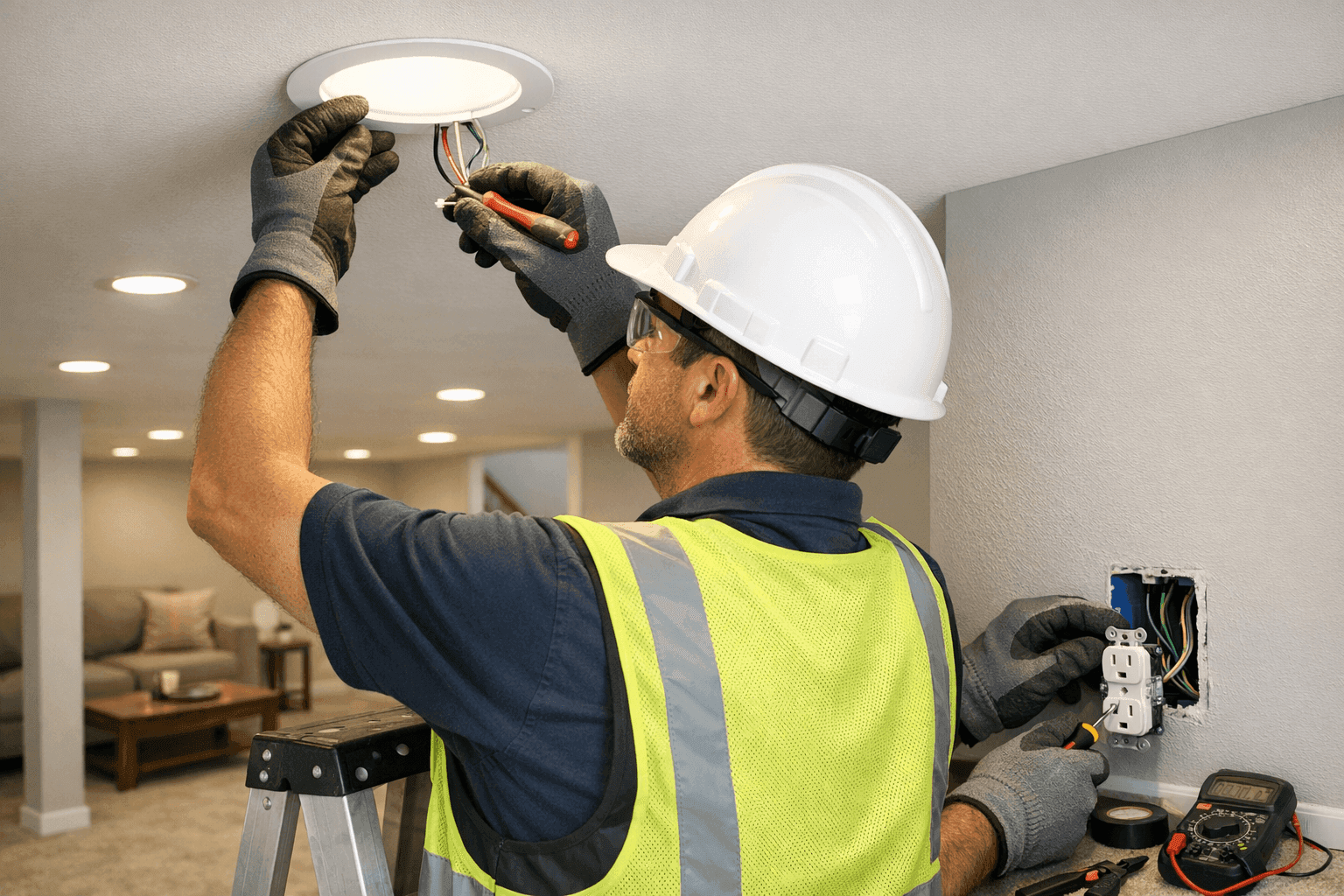
Have you ever walked into your basement and wished it felt less like a dungeon and more like a retreat? For many homeowners and property managers, a finished basement is the final frontier—a space waiting to come alive with the right touches. But here’s the catch: nothing halts a dream project faster than electrical headaches, code confusion, or safety worries.
At TXC Electric, we know the basement’s unique challenges. From damp corners to maze-like wiring, getting your electrical upgrades right isn’t just about flipping a switch—it’s about peace of mind, comfort, and lasting value.
Basement Electrical Needs: What Makes Them Different? ⚡
Basements are a world apart from the rest of your home or business. The ground level brings its own set of rules—more moisture, less light, and often, more “what ifs?” than upstairs. Here’s what sets basement electrical projects apart:
- Moisture Risks: Basements are notorious for dampness. Electrical systems must be shielded against water intrusion.
- Finishing Challenges: Framing, insulation, and ceiling height can limit where wires, lights, and outlets go.
- Flexible Usage: From home theaters to offices, each use calls for different power needs.
- Older Homes: Many basements weren’t designed for today’s tech-heavy lives. Upgrades mean bringing old wiring up to modern safety codes.
Before you buy that pool table or set up a home gym, it’s worth getting a proper electrical plan in place.
Quick Safety Checklist Before You Start
A little preparation goes a long way. Start with these essentials:
- Inspect for visible leaks or signs of water.
- Check for exposed wires or outdated fuse boxes.
- Test existing outlets for proper grounding.
- Confirm ceiling clearance for lighting and fans.
- Review your local electrical code (like the National Electrical Code—NEC—for baseline rules).
If any of this raises a red flag, pause and consult a licensed electrician. Your safety is worth it.
Moisture and Code Concerns: Don’t Cut Corners
Moisture is the silent saboteur in basement projects. Water and electricity are like oil and fire—never meant to mix.
- GFCI Outlets: Ground Fault Circuit Interrupters are required by law in most basement locations. They shut off power instantly if water is detected.
- Conduit and Boxes: Use moisture-resistant conduit, boxes, and fittings to prevent corrosion.
- Vapor Barriers: These keep humidity at bay, protecting both your investment and your family.
The National Electrical Code is clear: basements demand special attention. Local building departments may have even stricter rules. Always check before work begins.
Best Lighting Options for Basements
Lighting can make or break a basement’s vibe. Choose wisely, and your space transforms from gloomy to welcoming.
- Recessed Lighting: Great for low ceilings and even illumination.
- Track Lighting: Flexible, modern, and easy to adjust.
- Wall Sconces: Add warmth and highlight finished walls.
- Smart Lighting: Control brightness and color with your phone or voice.
Avoid basic bulb fixtures dangling from cords. Instead, invest in fixtures with moisture-resistant ratings. Need inspiration? Check out our Lighting services for more ideas.
Safe Outlet Placement: Power Where You Need It
Basements need outlets in all the right places—think board games, workbenches, or that new treadmill.
- Spacing: Outlets typically required every 12 feet on walls (per NEC).
- Height: Elevate outlets above potential flood lines.
- GFCIs: Required near utility sinks, laundry, and anywhere moisture could sneak in.
Consider USB outlets for charging devices or specialty outlets for entertainment systems and appliances. For more on this, see our Outlets & Switches services.
Permits and Inspections: Why They Matter 📝
Permits may seem like red tape, but they’re your safety net. Inspections ensure everything’s up to code and safe.
- Apply Before You Build: Permits are usually required for new circuits, panels, or major rewiring.
- Scheduled Inspections: Expect at least one inspection before walls are closed up.
- Final Sign-Off: Work isn’t officially complete until your local inspector gives the green light.
Skipping permits can mean fines, delays, or worse—dangerous wiring hidden for years.
DIY vs. Calling a Pro: What’s at Stake?
Tempted to run a few wires yourself? In some cases, that’s fine for minor repairs. But basements are a different beast.
- Complexity: Older wiring, hidden pipes, and tricky layouts can stump even the handiest DIYer.
- Code Knowledge: Professional electricians know the code by heart—and how to apply it in unique spaces.
- Insurance: DIY mistakes can void your homeowner’s insurance or cause costly damage.
Peace of mind is priceless. For anything beyond light fixture swaps, call an electrician.
What Electricians Do When They Arrive
Curious what happens when you hire a pro? Here’s the usual routine:
- Assess the layout, walls, and moisture risks.
- Map out circuits, outlets, and lighting based on your needs.
- Check existing panels, breakers, and grounding.
- Recommend upgrades or fixes.
- Provide a clear estimate before any work begins.
From there, they’ll handle permitting, installation, and cleanup—so you can focus on what you’ll do with your new space.
Common Mistakes—and How to Dodge Them
Basement electrical projects are littered with pitfalls. Here’s how to steer clear:
- Skipping GFCIs or using indoor-rated fixtures in damp spots.
- Overloading circuits with too many outlets or high-wattage appliances.
- Running wires behind insulation without conduit.
- Ignoring ceiling clearance for ceiling fans or light fixtures.
- Forgetting to label circuits and outlets for easy troubleshooting later.
A little planning prevents big headaches down the road.
Timeline & Disruption: What to Expect
Electrical upgrades aren’t overnight jobs. Here’s a typical flow:
- Consultation & Planning: 1–2 days.
- Permitting: 1–2 weeks, depending on your city.
- Installation: 2–7 days, depending on complexity.
- Inspection & Finish: 1–2 days.
During work, expect dust, noise, and the occasional power shutdown. But the result? A basement you’ll actually use.
Materials & Equipment: Don’t Skimp
Quality counts when it comes to wires, breakers, and fixtures.
- Copper Wiring: Lasts longer, safer, and code-compliant.
- LED Fixtures: Save energy and run cool.
- Smart Panels: Track usage and help prevent overloads.
- Weather-Resistant Boxes: A must in any damp area.
TXC Electric sources only reputable brands and proven materials for all wiring and circuits projects.
Prevention & Maintenance: Keep It Running Smoothly
Basement electrical systems need regular TLC.
- Test GFCI outlets monthly.
- Check for flickering lights or tripped breakers.
- Clean dust from panels and outlets.
- Schedule annual safety inspections.
Small checks today can stop big repairs tomorrow.
Signs of Trouble: When to Call for Help
Don’t ignore these warning lights:
- Burning smells or buzzing from outlets.
- Frequent breaker trips.
- Outlets or switches that feel hot.
- Water near electrical boxes.
If you spot any of these, call an electrician right away. It’s not worth the risk.
When It’s an Emergency
Flooded basement? Sparking outlets? Power outage with standing water? These are all emergencies. Shut off your main breaker if safe, and call for help immediately. Safety first, always.
Costs & Time Factors: Plan Your Budget
Basement upgrades aren’t one-size-fits-all. Costs vary based on:
- Square footage and number of circuits.
- Age and condition of existing wiring.
- Type and quantity of fixtures.
- Permitting fees and inspection schedules.
A transparent estimate keeps surprises at bay.
FAQ: Your Basement Electrical Questions Answered
Q: Can I add outlets after drywall is up?
A: It’s possible, but harder. Plan wiring before finishing walls to save time and money.
Q: What if my basement floods?
A: Turn off power immediately and don’t enter standing water. Contact a licensed electrician for inspection.
Q: Are permits really necessary?
A: Almost always, yes. They protect you, your property, and anyone who uses the space.
Q: What’s the best way to prevent moisture issues?
A: Use vapor barriers, GFCI outlets, and moisture-rated fixtures from the start.
Ready to Upgrade? Get the Right Help
A finished basement should be a safe, bright, and welcoming part of your home or business. At TXC Electric, we handle the details—from smart Wiring & Circuits to lighting and outlets—so you can enjoy your space with confidence. If you’re planning your next project, let’s talk.
Call TXC Electric now — or reach us anytime at 855-557-6564 .