How to Plan Electrical Upgrades for Aging Homes
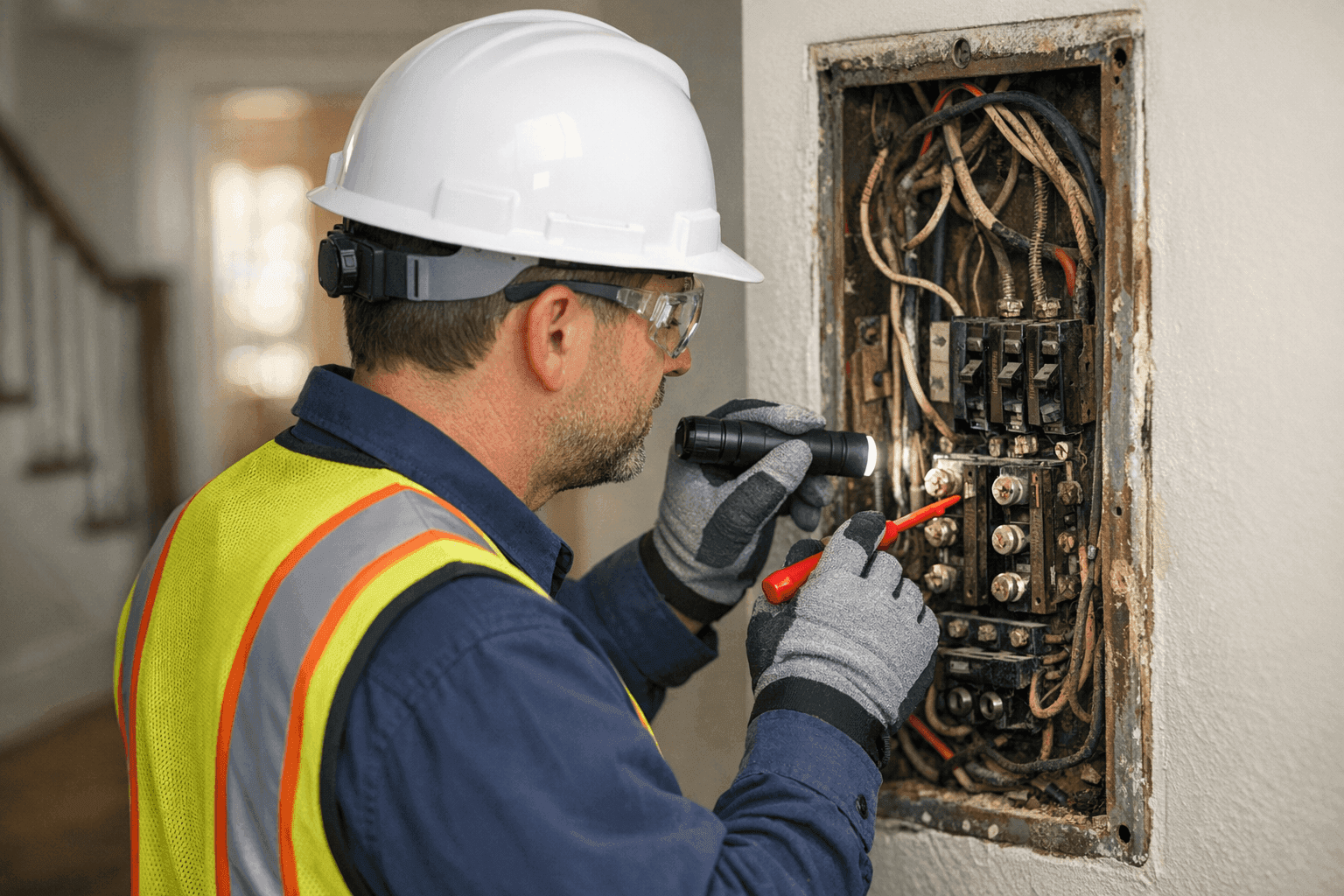
Does your home sometimes flicker with the lights of a bygone era? If you’ve ever tripped a breaker with a microwave or worried about frayed cords behind old walls, you’re not alone. Aging homes carry history and charm—but their electrical systems can be stuck in the past, creating risks you may not even see.
At TXC Electric, we know the hurdles homeowners and property managers face as systems age. Planning for electrical upgrades isn’t just about convenience—it's about keeping your family, tenants, and property safe. Let’s walk through why these upgrades matter, what to watch for, and how to map out a plan that fits your budget and keeps your peace of mind.
Why Older Homes Need Upgrades ⚡
An older home is like a classic car: beautiful, but not always ready for today’s roads. Electrical codes and safety standards shift over time. What was “safe” forty years ago can now pose serious hazards.
- Homes built before the 1970s often have wiring and panels designed for far less power than today’s devices demand.
- Many lack GFCI outlets in kitchens, baths, or outdoors—now required for shock protection.
- Insurance companies may even refuse coverage if your home has certain types of wiring, like knob-and-tube or aluminum.
The risks aren’t just technical. Old circuits can overheat, sparking fires behind walls. Outdated systems can make it impossible to add modern features, like EV chargers or home automation. Upgrading isn’t just smart—it’s essential.
Common Issues in Aging Electrical Systems
Every home tells its own story. But some warning signs pop up again and again in our work:
- Frequent blown fuses or tripped breakers: A sign your system’s overloaded.
- Outlet discoloration: Heat damage may be lurking.
- Two-prong outlets: No ground wire means no protection for today’s electronics.
- Flickering or dimming lights: Could be faulty wiring, loose connections, or an undersized panel.
- Buzzing switches or outlets: Never normal. Electrical components should be silent.
Wiring, panels, and breakers all have lifespans. If you’re unsure what’s hiding in your walls, a licensed electrician can help you assess the situation.
Outdated Wiring: Types and Dangers
Some wiring types are especially risky:
- Knob-and-tube: Common in homes built before 1950. Lacks grounding and insulation often deteriorates.
- Aluminum wiring: Used in the 1960s-70s. Prone to overheating and loose connections.
- Cloth-insulated wiring: Breaks down over time, exposing wires.
The National Electrical Code (NEC) has evolved for good reason. Exposed or aged wires can spark fires, shock hazards, or cause appliances to fail.
Panel and Breaker Limitations
Think of your electrical panel as the heart of your system. Older panels (like fuse boxes or those with Federal Pacific or Zinsco brands) may be undersized or unsafe. Today’s homes often need 100–200 amps to safely power appliances, HVAC, lighting, and technology.
If your panel is warm to the touch, or you can’t add new circuits, it’s time to consider an upgrade.
Code Compliance and Insurance Requirements
Insurance isn’t just paperwork—it’s protection. Many carriers won’t insure homes with outdated wiring or panels, or they’ll charge higher premiums. During a claim, coverage can be denied if non-compliant systems are found.
Upgrading helps you meet NEC standards and local codes, giving you confidence and protecting your investment.
Upgrade Options for Older Homes
Upgrades aren’t one-size-fits-all. Your needs depend on your home’s age, layout, and how you use electricity:
- Full Re-wiring: Replaces all old wires with modern, grounded cable. Ideal for homes with knob-and-tube or cloth wiring. See our Re-wiring service for details.
- Panel Replacement: Upgrades your breaker box for more circuits and safer operation.
- Outlet & Switch Upgrades: Swapping out two-prong or old outlets for modern, grounded GFCI/AFCI models.
- Surge Protection: Whole-house systems protect sensitive electronics.
- Smoke & Carbon Monoxide Detectors: Hardwired, interconnected alarms are now required by code.
- Home Automation & Smart Devices: Older systems often need upgrades to add Wi-Fi lighting, doorbells, or EV chargers.
Each upgrade adds value, safety, and comfort—while bringing your home into the 21st century.
Quick Safety Checklist: Is Your Home at Risk?
Here’s a fast way to spot red flags. If you answer “yes” to any of these, consider a professional inspection:
- Does your home have fuses instead of breakers?
- Do you see cloth or rubber insulation on wires?
- Are any outlets two-prong (no ground)?
- Do lights flicker or dim when appliances run?
- Do outlets or switches buzz, spark, or feel warm?
- Has it been more than 10 years since your last inspection?
If you’re worried, don’t wait. Safety comes first.
How Electricians Assess Your Home
When you call TXC Electric, here’s what happens next:
- Initial Walkthrough: We listen to your concerns and take a close look at visible wiring, panels, outlets, and fixtures.
- Testing: Using meters and tools, we measure voltage drops, check grounding, and look for shorts.
- Code Review: We compare your system to current NEC and local requirements.
- Written Report: You get clear, honest feedback and a roadmap for repairs or upgrades.
This isn’t a sales pitch—it’s about equipping you to make smart decisions for your property.
DIY vs. Hiring a Professional
It can be tempting to watch a video and grab a screwdriver. But with electricity, the risks are real. Code violations, fire hazards, and insurance issues can all arise from well-intentioned DIY work.
- Pros have training and tools.
- Licensed work is required for most upgrades.
- Permits and inspections ensure safety and compliance.
For anything beyond swapping a light bulb, hiring a licensed electrician is the safer, smarter path.
Planning and Budgeting for Electrical Upgrades
Upgrading an older home isn’t just about flipping a switch. It takes careful planning and budgeting. Here’s how to start:
- List Your Priorities: What’s urgent? What can wait? Start with safety, then move to convenience.
- Get Multiple Quotes: Every home is unique. Ask for itemized, written estimates.
- Phase the Work: Many upgrades can be split into manageable stages.
- Ask About Permits: Reputable electricians will pull the right paperwork for you.
- Factor in Repair Costs: Sometimes walls or ceilings need patching after rewiring.
Upgrades are an investment, not just an expense. They add value, save on energy, and keep you covered by insurance.
Common Mistakes to Avoid
We see it all the time:
- Ignoring warning signs: Waiting until something fails can be costly—or dangerous.
- Cutting corners: Using unlicensed contractors or skipping permits is never worth it.
- Overloading old panels: Plugging in more without upgrading the backbone can create hazards.
- Forgetting inspections: Regular Electrical Safety Inspections are your best tool for peace of mind.
Don’t let a shortcut turn into a nightmare.
How Long Will Upgrades Take?
Time frames depend on your home’s size and scope of work:
- Rewiring a single room: 1–2 days.
- Full house rewiring: 1–3 weeks.
- Panel replacement: 1 day.
- Outlet upgrades: A few hours to a few days.
We work to minimize disruption, but some dust and downtime are part of the process. Communication is key—your electrician should keep you informed at every step.
When Is It an Emergency?
Some issues can’t wait:
- Burning smells or smoke from outlets.
- Sparking from panels or outlets.
- Loss of power to essential systems.
- Signs of electrical fire (charred marks, buzzing, tripped breakers that won’t reset).
In these cases, call a licensed electrician immediately. Turn off the main breaker if safe, and never use water on electrical fires.
Prevention and Ongoing Maintenance
Think of electrical maintenance like changing the oil in your car. Don’t wait for a breakdown:
- Schedule inspections every 5–10 years, or after major renovations.
- Test smoke and CO detectors monthly.
- Label your panel for easy circuit ID.
- Watch for signs of wear, and call for help early.
Staying proactive keeps your home safer, longer.
Frequently Asked Questions
Q: How do I know if my home needs a full rewire?
A: If you have knob-and-tube, cloth, or aluminum wiring—or frequent electrical problems—a full rewire is often the best way to ensure safety.
Q: Will upgrading my electrical system increase my home’s value?
A: Yes. Modern wiring, panels, and safety features can make your home more attractive to buyers and insurers.
Q: Is it expensive?
A: Costs vary, but many upgrades pay off over time in safety, energy savings, and fewer repairs. We’re happy to help you plan a phased approach that fits your budget.
Q: Is this disruptive?
A: Some upgrades require access to walls or ceilings. We minimize dust and downtime, and communicate clearly throughout.
The Role of Inspections and Testing
Regular inspections are your best defense against hidden hazards. The National Fire Protection Association (NFPA) and Electrical Safety Foundation International (ESFI) both recommend periodic checks.
A licensed electrician will:
- Test for proper grounding and bonding.
- Check for overloaded circuits.
- Inspect all outlets, switches, and fixtures.
- Assess your system for code compliance.
If you’re in the Re-wiring phase or just want peace of mind, scheduling a safety check is a smart move.
Final Thoughts: Protecting What Matters Most
Your home is more than walls and wires. It’s where memories are made. Upgrading your electrical system protects everything inside—from loved ones to treasured possessions, and even your peace of mind.
TXC Electric is ready to help you every step of the way. Ready to get started?
Call TXC Electric now — or reach us anytime at 855-557-6564 .