How to Plan & Upgrade Outdoor Lighting Safely
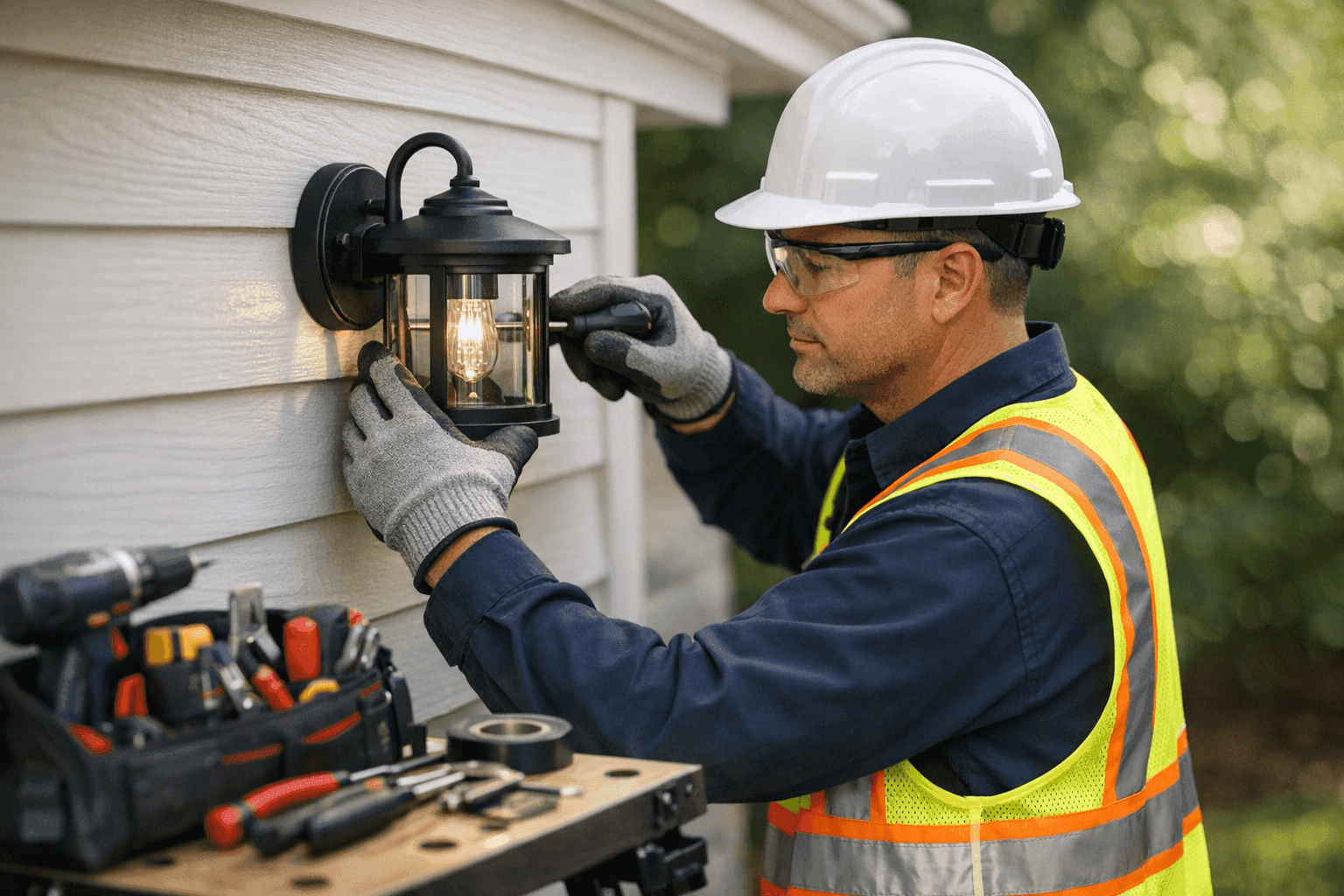
Upgrading your outdoor lighting isn’t just about making your property shine after dark. It’s a real safety investment—one that protects your home or business, keeps pathways clear, and adds a welcoming glow to every evening. But it’s not as simple as screwing in a lightbulb. A poorly planned upgrade can invite risk or waste money.
At TXC Electric, we’ve seen what happens when shortcuts are taken. Let’s walk through how you can plan and upgrade your outdoor lighting the safe way, and why a professional electrician is your best ally in the process.
Outdoor Lighting Types: What Fits Your Space
Choosing the right lighting is like picking the right shoes for a hike. The wrong fit leads to discomfort or trouble. Here are some popular outdoor lighting types:
- Floodlights: Bright, broad coverage for driveways or backyards.
- Pathway lights: Guide feet safely, accent garden beds.
- Wall sconces: Add flair near doors or patios.
- Spotlights: Highlight a tree, sign, or architectural detail.
- String lights: Soft, decorative touch for gatherings.
- Motion sensor lights: Security and energy savings, hands-free.
For commercial spaces, you might rely on pole-mounted area lighting or specialized fixtures for signage. Each has its job, and mixing them thoughtfully brings both utility and curb appeal.
Planning the Layout: Map Before You Dig
Think of your lighting plan as a blueprint for peace of mind. Start by walking your property at night. Where are the dark corners? Which steps need extra attention? Note the locations of trees, walkways, doors, and parking spots.
- Sketch a simple map—no art degree required.
- Mark out where you want each fixture.
- Consider sightlines. Avoid glare in windows or driveways.
- Think about power sources and wiring paths.
If you’re installing new wiring, remember: above-ground runs need proper conduit; below-ground cables must go deep enough to avoid shovels and pets. The National Electrical Code (NEC) recommends at least 18 inches of burial for most outdoor wiring.
Safety and Code: What Every Homeowner Should Know
When it comes to electricity, shortcuts can be costly or dangerous. Outdoor circuits must be protected from rain, dust, and curious critters. That’s where weatherproof boxes, covers, and wire connectors come in.
All outdoor outlets and most lighting circuits must use GFCI (Ground Fault Circuit Interrupter) protection. It’s not just a good idea—it’s code. GFCIs help protect people from shock hazards, especially in wet conditions.
And don’t forget permits. For most Electrical System Installation near you, local codes require inspections. This isn’t red tape—it’s your safety net.
If you’re not sure about codes, the National Fire Protection Association (NFPA) offers guidelines, or ask your electrician about local requirements.
Quick Safety Checklist Before You Start ⚡
- Shut off power at the breaker before touching any wires.
- Use only outdoor-rated fixtures and bulbs.
- Check outlets for GFCI protection.
- Inspect weatherproof covers and seals.
- Avoid overloading circuits—outdoor lighting can add up fast.
If anything feels off, stop and call a qualified electrician.
Installation Steps: From Groundwork to Glow
A safe outdoor lighting upgrade happens in clear steps.
- Lay out your fixtures on the ground before mounting.
- Install weatherproof electrical boxes at each location.
- Run wiring—using outdoor-rated cable and conduit as needed.
- Connect to GFCI outlet or breaker for safety.
- Mount fixtures, sealing all entry points against moisture.
- Test everything before closing up boxes.
Timers and smart controls are a smart add-on. They save energy and keep your property lit, even if you’re away. Ask about integrating with your home automation system for seamless dusk-to-dawn operation.
Weatherproofing: Your First Line of Defense 🌧️
Rain, snow, and sun can destroy standard fixtures in a single season. Use only UL-listed, outdoor-rated fixtures. Gaskets, silicone seals, and weatherproof covers keep water out. Corrosion-proof screws and connectors are a must.
If you’re near a pool or spa, extra precautions apply. Certain fixtures and wiring must be specially rated and installed at safe distances. The NEC has strict rules here for a reason—water and electricity don’t mix.
Timers, Sensors, and Smart Controls
Manual switches are fine, but timers and motion sensors offer both convenience and security. For the best results:
- Choose timers rated for outdoor use.
- Install photocells or smart switches for automatic dusk-to-dawn lighting.
- Integrate with home automation systems for remote control.
These smart touches help you save energy—and keep your property looking occupied, even when you’re away.
GFCI: The Silent Guardian
GFCI protection is required by national code for almost all outdoor outlets and circuits. It monitors for electrical faults and shuts off power instantly if something’s wrong. Think of it as a lifeguard for your outdoor wiring.
Test your GFCIs monthly. Just press the “Test” button, then the “Reset.” If it doesn’t trip or reset, replace it immediately—or call your local electrician.
DIY or Call a Pro? Weighing the Risks
Changing a bulb is simple. Running new circuits, digging trenches, or upgrading your main panel can get complex—fast. If you’re not comfortable with wiring diagrams or code books, it’s smart to call in a licensed electrician.
Why? Because mistakes don’t just trip breakers. They can cause fires, injuries, or expensive damage. A pro brings the right tools, parts, and know-how to handle surprises safely.
Need more guidance? Lighting upgrades are one of our most requested residential and commercial projects.
What Pros Do On Arrival
A professional arrives ready:
- Reviews your plans and code requirements.
- Assesses your panel capacity and circuit load.
- Installs wiring and fixtures according to code.
- Tests GFCIs, timers, and controls.
- Cleans up and walks you through the features.
They use specialized testers to confirm safe operation. You get peace of mind, and a system that lasts.
Prevention & Maintenance: Keep the Lights On
Outdoor lighting isn’t “set it and forget it.” Inspect your system every season:
- Look for cracked housings, loose wires, or rust.
- Test all GFCIs and automatic controls.
- Replace bulbs with the correct wattage.
- Clear away leaves, debris, or nests.
Annual Safety Checks by a licensed electrician catch early problems before they become hazards.
Costs & Time Factors: Budgeting Right
Upgrading outdoor lighting ranges from a quick fix to a major project. Costs depend on:
- Number and type of fixtures.
- Need for new wiring or trenching.
- Smart controls or integration.
- Complexity of layout.
Timing? Many upgrades can be done in a day or two, but larger installations may take longer—especially if you need permits or trenching.
When It’s an Emergency
Lights out after a storm? Smell burning plastic? Outdoor GFCI won’t reset? These are signs to call for emergency service. Don’t wait—electrical problems outside can quickly become safety issues.
TXC Electric offers 24-hour emergency repairs and troubleshooting. Your safety is always our priority.
Common Mistakes to Avoid 🚫
- Using indoor fixtures outside (they’ll fail fast)
- Skipping GFCI protection
- Overloading circuits
- Not sealing boxes or connectors
- Ignoring local codes or permits
Each mistake can cost time, money, or create risk. When in doubt, consult your electrician.
Signs of Trouble: When to Inspect or Repair
- Flickering or dim lights
- GFCI outlets that keep tripping
- Corrosion or water inside fixtures
- Buzzing or crackling sounds
- Lights that won’t turn on, even with new bulbs
Don’t ignore these red flags. Prompt repairs keep everyone safe.
Timeline & Disruption: What to Expect
Most outdoor lighting upgrades have minimal disruption. You might notice:
- Trenches for new wiring (if needed)
- Brief power shutoffs
- Some noise and foot traffic
A professional team works efficiently, respecting your property and schedule.
Materials & Equipment: Invest in Quality
Don’t cut corners with bargain-basement fixtures or wire. Outdoor-rated, UL-listed parts last longer and protect your investment. Ask your electrician about warranties and maintenance tips to extend the life of your system.
FAQ: Outdoor Lighting Upgrades
Do I need a permit?
Usually, yes—especially for new wiring or circuits. Your electrician can help with paperwork.
Can I install LED fixtures outdoors?
Absolutely. LEDs are efficient, long-lasting, and available in outdoor-rated versions.
How often should I check my system?
Test GFCIs monthly; inspect fixtures and wiring seasonally.
Final Thoughts: Shine Bright—But Stay Safe
Upgrading your outdoor lighting is one of the most rewarding improvements you can make. It protects, beautifies, and adds value to your property. But it also demands care, planning, and respect for code.
If you need help with design, installation, or installations for your lighting system, TXC Electric is ready to help. We handle residential and commercial projects of every size, always with safety in mind.
Call TXC Electric now — or reach us anytime at 855-557-6564 .