How to Plan and Install Safe Garage Electrical Systems
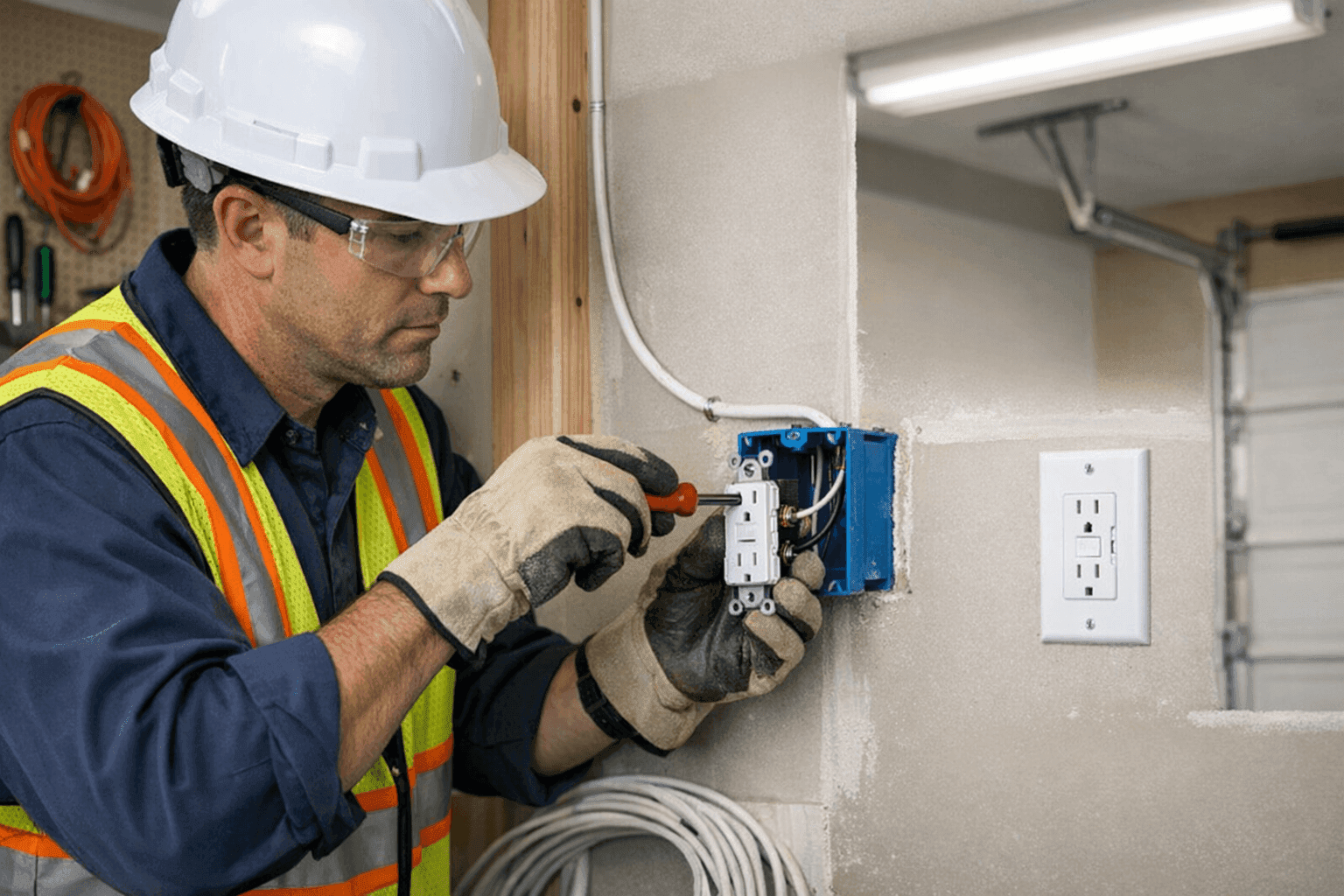
Is your garage just a place for clutter, or is it powering your hobbies, tools, and maybe even your car? Too often, garages are an afterthought when it comes to electrical safety. But they’re also where the risks pile up—moisture, heavy-duty tools, and power-hungry equipment.
At TXC Electric, we understand that a garage’s electrical system is more than just wires in the wall. It’s about keeping you, your family, and your investments safe—day and night.
Garage Electrical Needs: Where to Begin
A garage isn’t just four walls and a roof. It’s a workshop, a charging station, a storage spot, and sometimes a laundry room. Each use brings its own electrical needs. Start by listing:
- What you’ll plug in (tools, chargers, appliances)
- Future plans (EV charging, home gym, extra lighting)
- Safety features (GFCI, surge protection)
Building this list isn’t just busywork. It’s the roadmap that guides every wire and outlet decision.
Wiring and Outlets: The Heart of the System ⚡
Think of your garage wiring as a network of highways. Every tool, light, and charger is a car on that road. Too many cars? You get a traffic jam—or in this case, tripped breakers and fire hazards.
Tips for Safe Garage Wiring:
- Use wire rated for garage and outdoor use (look for markings like THHN or UF)
- Ensure all wiring is protected from physical damage—run it inside conduit if exposed
- Space outlets every 6 feet along workbenches and at least one on each wall
If you’re searching for "Electrical System Installation near you," make sure your electrician understands garage-specific code requirements (see the National Electrical Code, NEC 210.8 for GFCI in garages).
Lighting Options: Bright Ideas for Every Garage
You don’t want to work in the shadows. Good lighting boosts safety and productivity. Here’s what to consider:
- Overhead LEDs: Energy-efficient, bright, and long-lasting
- Task lights: Mounted over benches or work areas
- Motion sensors: For convenience and security (no more stumbling in the dark)
Match the lighting to your needs. A single bulb won’t cut it for most modern garages. For more on options, see our Lighting service page.
GFCI and Safety: Defending Against the Unexpected
Moisture is the silent enemy in every garage. Water leaks, humidity, and tracked-in rain set the stage for electric shock. That’s why GFCI (Ground Fault Circuit Interrupter) outlets are required in garages by code.
What GFCI Does:
- Detects dangerous current leaks
- Cuts power fast to prevent shock
Test GFCI outlets monthly. Press the "Test" button, then "Reset." If it doesn’t trip, call an electrician. Never ignore a dead or buzzing outlet.
Planning for Unique Garage Hazards
Garages are magnets for hazards: spilled paint, sawdust, gasoline fumes. All can mix dangerously with electricity.
- Never use extension cords as permanent wiring. They’re a stopgap, not a solution.
- Install outlets high enough to avoid water and fuel spills.
- Use weatherproof covers for any outdoor or damp-area outlets.
Remember, code isn’t just red tape—it’s built on hard-earned lessons from real disasters.
Outlets & Switches: Placement and Practicality
Ever run out of outlets halfway through a project? Or wish you didn’t have to unplug the freezer to use your power saw?
- Install more outlets than you think you’ll need
- Include dedicated circuits for big draws (fridge, EV charger, compressor)
- Use heavy-duty, tamper-resistant outlets to protect kids and pets
Find more guidance on our Outlets & Switches page.
Upgrades and Modern Organization 🛠️
Ready to take your garage into the 21st century? Modern upgrades include:
- Smart switches and Wi-Fi controls
- USB outlets for charging devices
- Integrated surge protection to defend sensitive electronics
Organize cords and cables. Use wall-mounted racks and cable management channels. A tidy garage isn’t just easier to work in—it’s safer.
The Code Conversation: What the Pros Know
Every garage project should start and end with code compliance. The National Electrical Code (NEC) sets the baseline for safety. Local codes may be even stricter.
- GFCI on all outlets
- Proper wire gauge for the load
- Secure mounting of panels and boxes
- Regular safety inspections
Inspections aren’t just paperwork—they’re peace of mind. For details, check resources like the National Fire Protection Association (NFPA) and your local building department.
Moisture, Weather, and the Garage Environment
Garages are the front lines for weather. Leaky roofs, snow melt, humidity—all can threaten your electrical system.
- Use outdoor-rated fixtures and enclosures
- Seal entry points to keep out water and pests
- Elevate electrical panels above flood risk areas
Moisture plus electricity equals danger. Stay a step ahead.
DIY or Call an Electrician?
Some projects are safe for the weekend warrior—like swapping a bulb. But garage wiring and new circuits? That’s a job for a licensed electrician.
Why? Because mistakes can be deadly. Hidden wiring errors may smolder for years before disaster strikes. If you’re not sure, call for professional help.
What to Expect: When the Pros Arrive
When you book an electrician for your garage, here’s what usually happens:
- Safety assessment (checking existing wiring, moisture, and hazards)
- Plan review (what you need now and in the future)
- Installation or upgrades—often finished in one to two days
- Final inspection and code sign-off
A good electrician will explain each step and answer your questions. No mysteries, just clear communication.
Prevention & Maintenance: Stay Safe for the Long Haul
- Test GFCI outlets monthly
- Inspect for frayed cords, scorch marks, or buzzing outlets
- Don’t overload circuits—spread out your tools and appliances
- Schedule a professional checkup every few years
A little attention goes a long way. Prevention is always cheaper (and safer) than repairs.
Costs, Timing, and Possible Disruption
Worried about cost or disruption? Here’s what to expect:
- Simple upgrades (outlets, lights): a few hours, modest cost
- Full rewiring or EV charger: a day or more, higher investment
- Most work can be done with minimal mess—your car may need to stay outside for a day
Always get a detailed quote before work begins. Ask questions until you’re comfortable with the plan.
Recognizing Signs of Electrical Trouble
Don’t ignore warning signs:
- Breakers trip frequently
- Outlets are hot, scorched, or buzzing
- Lights flicker with appliance use
- Burning smell or visible sparks
These are flashing red lights. Shut off the breaker and call for help immediately.
When It’s an Emergency
Flooded garage? Smoking outlet? Power loss with a freezer full of food? That’s when you need 24-hour emergency service. TXC Electric is ready around the clock for urgent repairs.
Frequently Asked Questions
Q: How many outlets do I need in my garage?
A: Code requires at least one on each wall, but more are usually needed for tools and charging.
Q: Can I use regular outlets in my garage?
A: No, GFCI outlets are required for safety (per NEC 210.8).
Q: Is aluminum wiring safe in a garage?
A: Modern code usually calls for copper. Aluminum carries extra risks—ask your electrician.
Q: Can I put my garage on the same circuit as my house?
A: It’s best to use dedicated circuits for garages, especially for heavy tools or EV chargers.
Regional Considerations and Local Service
Every region brings its own quirks—freeze-thaw cycles, humidity, even local wildlife. For those looking for Wiring & Circuits in the area, TXC Electric delivers safe, code-compliant installations tailored to local needs.
Final Thoughts
A safe garage electrical system isn’t just about convenience. It’s about protecting what matters most—your home, your family, your peace of mind. Whether you’re planning a new build, a major upgrade, or just a few outlets, TXC Electric is here to help.
Call TXC Electric now — or reach us anytime at 855-557-6564 .