How to Plan & Install Machine Wiring for Business Growth
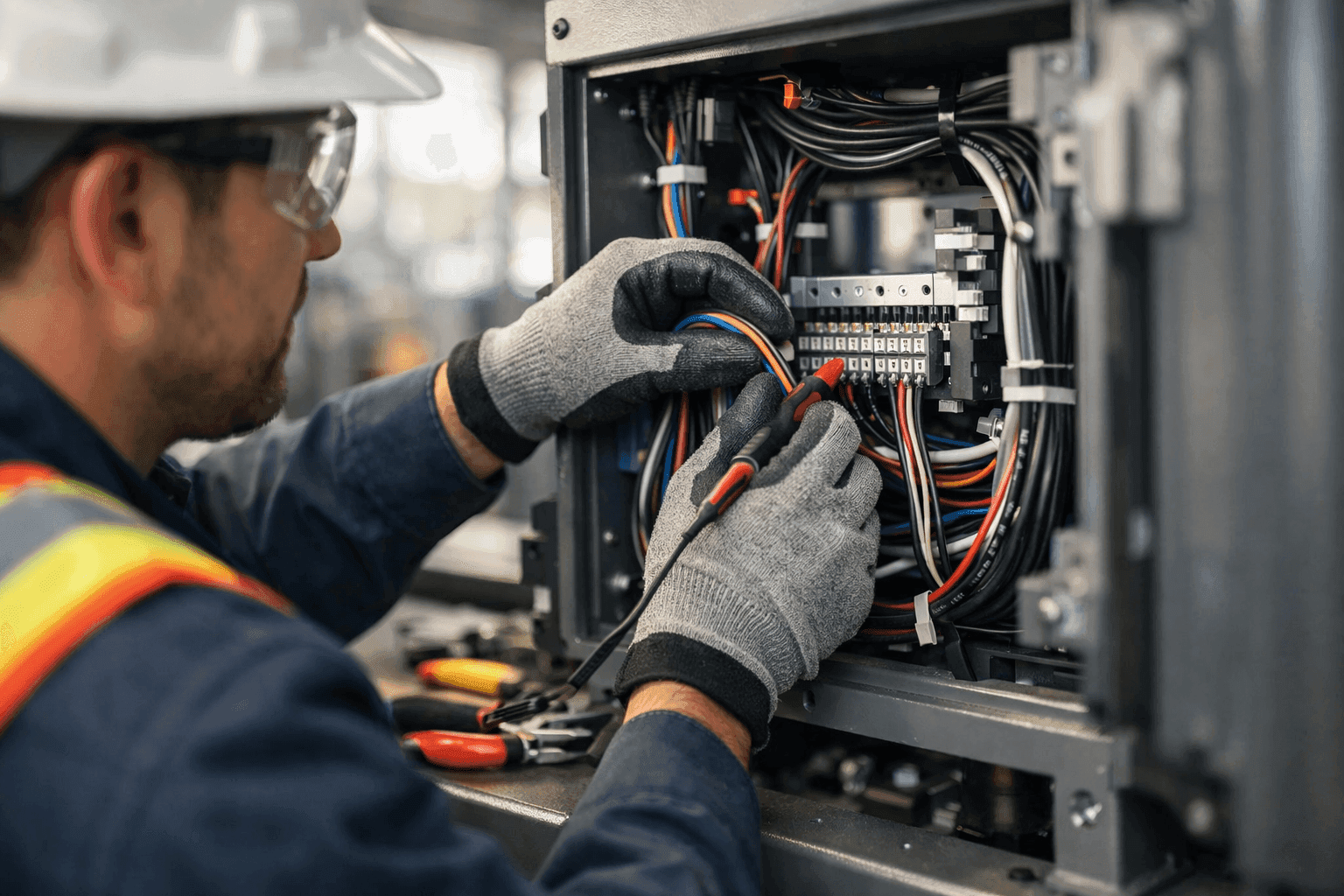
Every business wants to grow, but growth brings its own set of challenges—especially when it comes to power. The machines that keep your operations moving demand electrical systems that are both reliable and built to scale. The right wiring isn’t just a technical detail. It’s the backbone of your productivity, safety, and future plans.
At TXC Electric, we understand how important it is to get machine wiring right the first time. Whether you’re expanding your production floor or upgrading old equipment, proper planning and professional installation are the keys to powering your business safely and efficiently.
Why Machine Wiring Matters ⚡
Think of your business as a living body. The wiring? It’s the nervous system. If connections are weak or outdated, everything slows down—or worse, fails. Machine wiring isn’t just about plugging things in. It’s about making sure every piece of equipment receives the power it needs, safely and without interruption.
- Efficient wiring reduces downtime.
- Prevents overloads and electrical fires.
- Supports new technology and automation.
- Keeps your business code-compliant.
Poor wiring can lead to serious hazards, including fires, shocks, and expensive equipment damage. The National Fire Protection Association (NFPA) and the National Electrical Code (NEC) set strict rules for a reason. Following these isn’t optional—they’re the foundation of your company’s safety.
Planning for Growth
Before a single wire is run, it’s critical to plan. Will you add machines in the next year? Expand your hours? Change your process? Good planning means you’re not just solving today’s problems, but preparing for tomorrow’s.
Load Calculation: The “Fuel Gauge” for Your System
Imagine driving a truck without knowing how much weight it’s carrying. That’s what skipping load calculations is like. An electrician will:
- List all machines, their voltage, and amperage needs.
- Factor in future growth—at least 20% extra capacity is smart.
- Consider start-up surges (motors often need more power to start than to run).
Right-sizing your wiring and panels ensures you’re never left stranded by a blown breaker or fried circuit.
Code and Safety Requirements
Every commercial installation must follow the NEC, plus any local codes. These codes are there to keep people and property safe. Here’s what you need to know:
- Proper Grounding: Prevents shocks and equipment damage.
- Circuit Protection: Fuses and breakers stop overloads before they become disasters.
- Conduit and Cable Type: Different environments (wet, dusty, hot) require different protection.
- Labeling: Clear, up-to-date panel labels mean faster repairs and safer service.
Regular inspections by a licensed electrician aren’t just smart—they’re often required by law. OSHA also mandates safe work environments, and electrical hazards are a major focus.
Quick Safety Checklist 🛑
Before starting any electrical work, ask:
- Are all machines turned off and locked out?
- Is the main power isolated?
- Are you using insulated tools and PPE?
- Is there a fire extinguisher rated for electrical fires nearby?
- Are all workers aware of the work being done?
If you can’t answer ‘yes’ to all of these, pause. Safety is never a shortcut.
Installation Steps
Professional machine wiring is more than just running cables. Here’s what the process looks like at TXC Electric:
- Site Assessment: Review blueprints, machine specs, and your business goals.
- Load Calculations: Determine total and peak demand.
- System Design: Choose wire sizes, conduit, panel upgrades, and protection devices.
- Permitting: Secure all required local permits.
- Rough-In: Route conduits and pull wires to machine locations.
- Panel Work: Install or upgrade panels, breakers, and disconnects.
- Connection: Safely connect machines, following manufacturer instructions.
- Testing: Verify proper operation, voltage, and grounding.
- Inspection: Arrange for city or county inspection as required.
- Documentation: Update schematics and maintenance logs.
Each step is critical. A missed detail can mean downtime—or worse, danger.
DIY vs. Call a Pro
It’s tempting to try machine wiring in-house, especially if you have a handy team. But electrical work isn’t like painting a wall or assembling furniture. Mistakes carry serious risks—shocks, fires, lost insurance coverage, and even legal trouble.
A licensed electrician brings:
- Deep code knowledge.
- Experience with complex machinery.
- The right tools and testing equipment.
- Insurance and liability protection.
DIY can sometimes save a few dollars up front, but it often leads to bigger bills down the road. For critical jobs, bring in a pro.
What Pros Do On Arrival
When TXC Electric arrives, we don’t just start pulling wire. We:
- Listen to your needs and concerns.
- Review existing plans and equipment.
- Inspect current wiring for wear, code compliance, and safety.
- Plan the least disruptive installation route.
- Communicate clearly—so you know what’s happening, every step of the way.
Clear communication keeps surprises (and headaches) to a minimum.
Prevention & Maintenance
Wiring isn’t a “set it and forget it” task. Machines vibrate, draw big loads, and sometimes throw off heat. Over time, even the best wiring can loosen, corrode, or suffer from insulation breakdown.
Preventative steps include:
- Scheduled inspections—look for discoloration, loose connections, or odd smells.
- Thermal imaging—find hot spots before they cause trouble.
- Panel cleaning—dust and debris are fire risks.
- Testing breaker function—replace any that trip too easily or not at all.
Regular maintenance isn’t just about avoiding breakdowns. It extends the life of your investment.
Costs & Time Factors
Every project is different. Factors that affect price and scheduling include:
- Number and size of machines.
- Distance from panel to machines.
- Existing electrical system condition.
- Need for trenching or cutting concrete.
- Permit and inspection requirements.
Most machine wiring jobs can be completed with minimal business interruption, especially when planned during off-hours or shutdowns. At TXC Electric, we pride ourselves on clear, upfront estimates and honest timelines.
When It’s an Emergency
Sometimes, machine wiring isn’t about tomorrow—it’s about right now. If you notice:
- Burning smells.
- Repeated breaker trips.
- Flickering machine power.
- Buzzing or arcing.
Shut down the equipment and call a licensed electrician immediately. These are red flags for serious electrical trouble.
Common Mistakes
Even experienced teams can slip up when rushing:
- Undersized wiring: Leads to overheating and equipment damage.
- Improper grounding: Increases shock risk.
- Skipping permits: A shortcut that can cost you big in fines or insurance issues.
- Poor labeling: Makes future troubleshooting a nightmare.
Attention to detail pays off, every time.
Signs of Trouble
Don’t ignore the warning signs. Call for help if you notice:
- Breakers that trip for no clear reason.
- Outlets or switches that feel warm.
- Unusual equipment behavior.
- Visible wire damage or corrosion.
- Unexplained power surges.
Quick action now prevents bigger repairs later.
Materials & Equipment
Quality matters. At TXC Electric, we use:
- Copper wiring for best conductivity and durability.
- Metal conduit for protection in high-traffic or industrial areas.
- Industrial-rated outlets, switches, and disconnects.
- UL-listed panels and breakers.
Cheap materials may save a little in the short term, but quality pays dividends in safety and reliability.
Timeline & Disruption
Worried about business downtime? With good planning, most installations can be staged to minimize disruption:
- Pre-run conduit and wiring before machines arrive.
- Schedule shutdowns for off-hours.
- Communicate with your team so everyone’s ready.
A little planning goes a long way toward a smooth upgrade.
Future-Proofing Your System 🔌
Business is rarely static. That’s why we design with flexibility in mind:
- Extra panel space for new breakers.
- Conduits sized for additional wires.
- Modular wiring designs for easy changes.
- Documentation for future electricians or expansions.
Building for growth means you won’t have to start from scratch every time your needs change.
FAQ: Machine Wiring for Business
Q: How often should machine wiring be inspected?
A: At least annually, or whenever you change equipment or processes.
Q: Can I use existing wiring for new machines?
A: Sometimes, but only if it meets the new load and code requirements.
Q: What’s the biggest risk with old wiring?
A: Overheating, fire, and sudden equipment failure.
Q: Who can do commercial wiring?
A: Only licensed electricians, familiar with both NEC and local codes.
Seasonal Considerations
Extreme heat or cold can affect wiring, especially in warehouses or production floors. Humidity and moisture are also concerns—water and electricity don’t mix. Seasonal checks and weatherproofing can prevent headaches down the road.
Internal Resources
Looking for more information on Machine Wiring? Or need help with Machine Wiring? TXC Electric covers everything from system design to commercial installs. See our Commercial Services page for details.
Call the Electricians Who Power Your Growth
Machine wiring is the foundation of safe, scalable business growth. Don’t leave it to chance—or to chance encounters. For professional installation, maintenance, or a second opinion, TXC Electric is ready to help.
Call TXC Electric now — or reach us anytime at 855-557-6564 .