How to Pass an Electrical Safety Inspection: Pro Tips
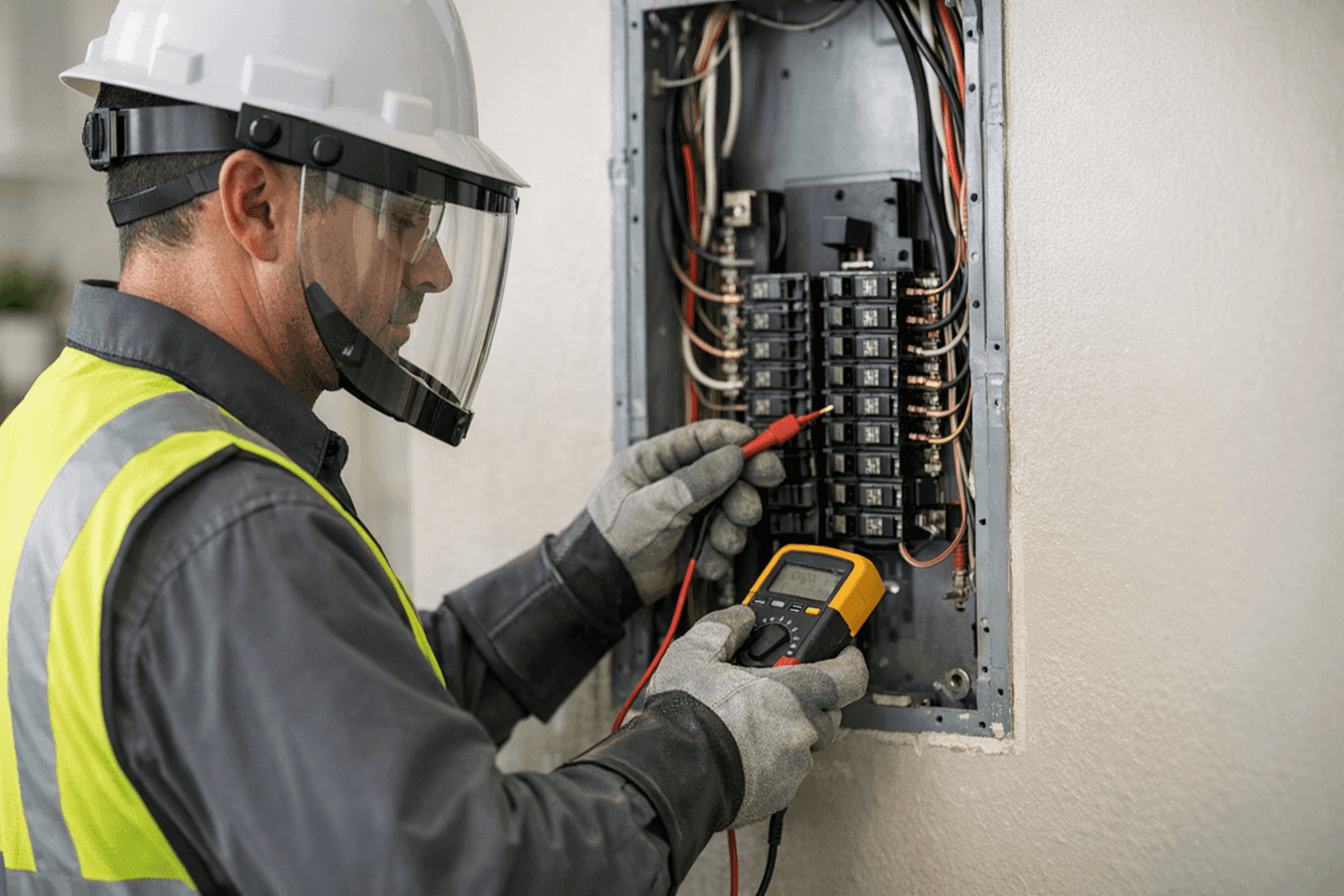
Facing an electrical safety inspection can feel like waiting for a storm to break. You want everything to pass with flying colors, but one missed detail can spark a world of trouble. At TXC Electric, we’ve walked clients through it all—homeowners, business owners, and property managers alike.
Getting your electrical system ready isn’t just about ticking boxes. It’s about protecting your space, your people, and your peace of mind. Let’s break down what matters most—and how you can put your mind at ease before the inspector even rings the bell.
Inspection Goals: Why They Matter ⚡
Electrical safety inspections are more than a formality. They protect lives, property, and investments. The National Electrical Code (NEC) and local regulations exist for a reason—they prevent fires, shocks, and equipment failures.
For residential properties, inspections often come up during home sales, renovations, or after major storms. In commercial spaces, routine Electrical Safety Inspections are part of compliance. No shortcuts here. The goal: spot hazards before they become disasters.
What Inspectors Look For
Inspectors are like detectives—trained to spot risks others miss. Here’s what’s on their checklist:
- Correct wiring and circuit labeling
- Functional and accessible panels & breakers
- Properly installed outlets and switches (no scorch marks, no wobbling)
- Ground-fault circuit interrupter (GFCI) and arc-fault circuit interrupter (AFCI) protection in critical areas
- Secure and code-compliant junction boxes
- Surge protection devices (where required)
- Smoke and carbon monoxide detectors in working order
- Adequate bonding and grounding
- Safe, accessible pathways for electrical panels
They’ll also look for tampering, outdated systems, and whether recent work matches permit records.
Common Fails: Where Most People Slip
Even careful property owners get tripped up by the usual suspects. Some of the most common violations are:
- Overcrowded or improperly labeled electrical panels
- Ungrounded outlets (especially in older homes)
- Missing or faulty GFCI/AFCI protection in kitchens, bathrooms, and outdoor areas
- Exposed wiring or open splices
- Damaged receptacles or covers
- Mismatched breaker sizes or types
- Obstructed access to panels (think: storage boxes blocking the way)
- Lack of required smoke or CO detectors
Most issues come from quick fixes, DIY “patches,” or simple oversight. But inspectors see it all.
Quick Safety Checklist Before Inspection
Ready to prep for inspection day? Walk through this list:
- Test all outlets and light switches. Replace any that spark or feel hot.
- Check that your electrical panel is clearly labeled and not blocked.
- Inspect cords and plugs for fraying or signs of overheating.
- Confirm GFCI and AFCI outlets trip and reset properly.
- Make sure smoke and CO detectors have fresh batteries and are within date.
- Secure all cover plates on outlets, switches, and junction boxes.
Treat this like a pre-flight check before takeoff—small things make a big difference.
DIY vs. Call a Pro
Some fixes are simple—like swapping out a cracked outlet cover. But if you spot flickering lights, buzzing sounds, or tripped breakers, it’s best to call an electrician. Electrical systems are like rivers: what seems calm on the surface can hide powerful currents underneath.
Even if you’re handy, don’t risk your safety or your insurance coverage. TXC Electric’s licensed team handles everything from electrical system installation to full rewiring.
What Pros Do On Arrival
When our crew arrives, we do more than just look around:
- Visual inspection of wiring, panels, and outlets
- Voltage, amperage, and grounding tests using calibrated meters
- Check for overloads or signs of overheating
- Inspect safety devices (GFCI, AFCI, surge protectors)
- Confirm all work meets the latest NEC requirements
We’re looking for both code compliance and practical safety—because one without the other is like locking the front door but leaving the back wide open.
Prevention & Maintenance: Stay Ahead
Routine maintenance is the best insurance policy against surprise fails:
- Schedule annual Safety Checks to catch wear and tear early
- Replace worn-out devices and cords proactively
- Keep areas around panels clear and accessible
- Upgrade panels and breakers when adding new appliances or circuits
- Document any electrical work with permits and certificates
The cost of maintenance is always less than the cost of repairs—or worse, a fire.
Costs & Time Factors
How long does an inspection take? For an average home, plan on 1-2 hours. Commercial spaces may take longer, depending on complexity.
Costs vary based on system size, age, and whether fixes are needed. But catching problems early saves money—and headaches—down the line.
When It’s an Emergency
If you smell burning, see smoke, or lose all power unexpectedly, don’t wait for an inspection. Call TXC Electric immediately. Electrical emergencies escalate quickly and require professional help, fast.
Seasonal Considerations
Storm season brings unique challenges: water intrusion, lightning strikes, and overloading from portable heaters or AC units. Schedule a post-storm inspection if you notice flickering lights, tripped breakers, or water near outlets.
Common Mistakes to Avoid
- Ignoring small warning signs, like buzzing or warm outlets
- Using extension cords as permanent wiring
- Painting over outlets or switches
- Skipping routine Safety Checks
- Failing to update permits or records after renovations
Think of your electrical system as the backbone of your property. Don’t take shortcuts.
Signs of Trouble
If you notice:
- Frequent breaker trips
- Outlets that won’t hold plugs
- Dimming or flickering lights
- Unexplained spikes in your utility bill
It’s time for a pro assessment before your inspection date.
Timeline & Disruption
Worried about downtime? Most inspections and minor repairs are quick and minimally disruptive. For larger upgrades (like panel replacements or whole-home rewiring), plan for a few hours—or, at most, a day or two. We’ll always work around your schedule when possible.
Materials & Equipment
Using the right materials is key. Inspectors check for:
- UL-listed parts
- Code-compliant wiring and breakers
- Properly rated surge protection
- Weatherproof equipment in outdoor or wet locations
Don’t cut corners with bargain-bin parts—cheap materials cause costly fixes down the road.
FAQ: Your Top Questions Answered
Q: How often should I schedule an electrical safety inspection?
A: For most homes, every 3-5 years. Commercial properties may require annual Safety Checks or after major updates.
Q: Do I need permits for small electrical jobs?
A: Many local codes require permits for anything beyond minor repairs. Always check with your city or county office.
Q: Can I pass if I have old wiring?
A: Age alone isn’t a fail—but damaged, unsafe, or ungrounded wiring is. Upgrades may be required for safety.
Pro Tips for Passing
- Book your inspection early, especially if selling or remodeling.
- Give your electrician time to make corrections.
- Document all repairs and upgrades.
- Don’t hide problems—inspectors will find them, and honesty goes a long way.
Next Steps: Ready for Inspection Day?
Passing an electrical safety inspection is about more than compliance—it’s about keeping your property, people, and investments safe. Whether you need a full inspection, routine maintenance, or fast repairs, TXC Electric is here to help.
Call TXC Electric now — or reach us anytime at 855-557-6564 .