How to Install and Maintain Smoke & Carbon Monoxide Detectors
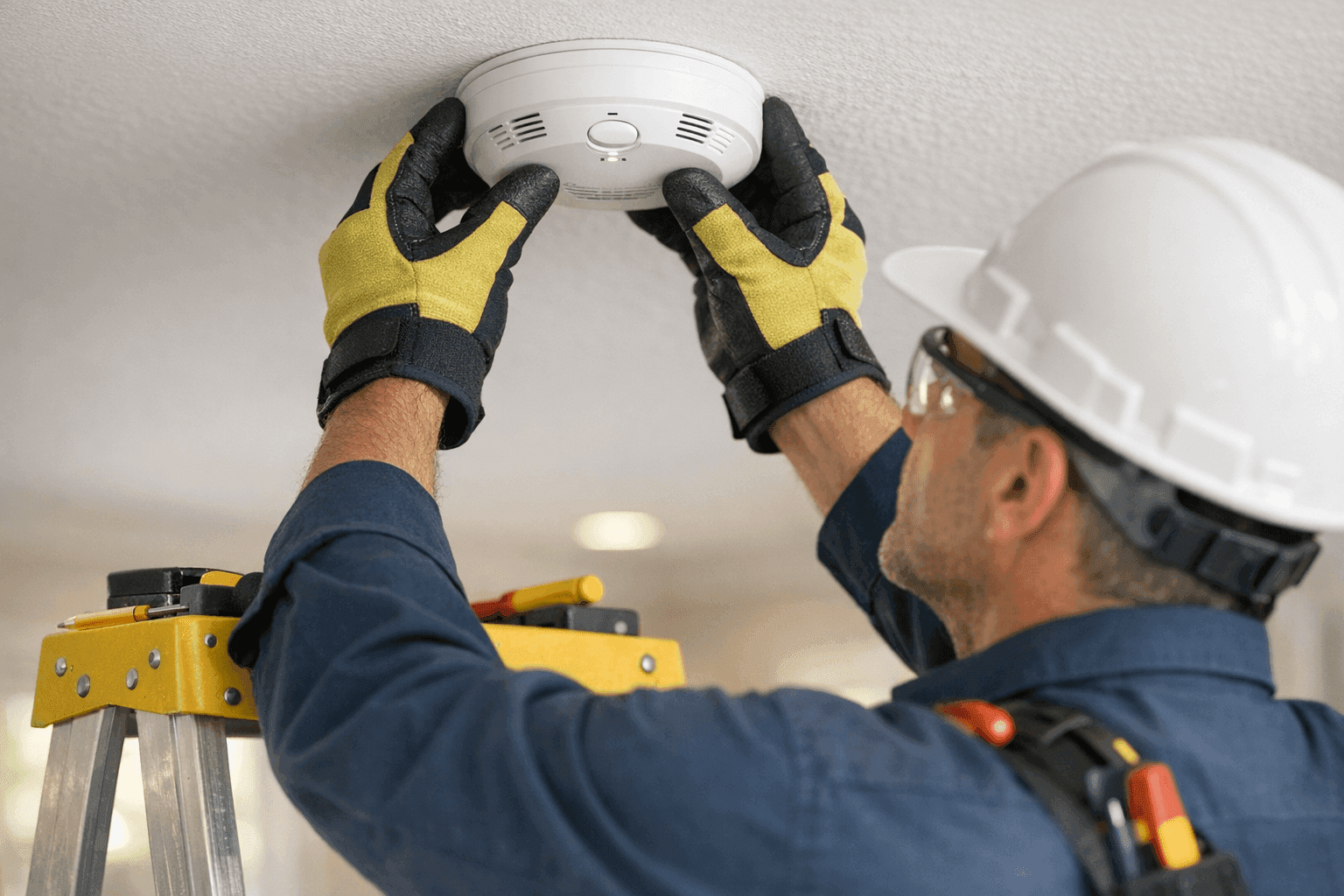
Your home should be a place of comfort, not worry. But the silent threats of smoke and carbon monoxide can turn everyday routines into emergencies. Installing and maintaining detectors isn’t just something on your to-do list—it’s a lifesaving step.
At TXC Electric, we help families and businesses stay protected every single day. If you’re not sure where to start with smoke or CO detectors, or you’re wondering if your current setup is really up to code, you’re in the right place.
Smoke & CO Detector Basics 🔥
Think of smoke and carbon monoxide detectors as your home’s sentries. They stand watch day and night, sniffing out danger long before you can see or smell it. Let’s break down the basics:
- Smoke Detectors: Detect smoke particles in the air—often the first sign of fire.
- Carbon Monoxide (CO) Detectors: Sense CO gas, which is colorless, odorless, and deadly at high levels.
- Combination Detectors: Many new units combine both smoke and CO sensing in one device, making coverage simpler.
Both types are required by law in many areas. The National Fire Protection Association (NFPA) and most building codes specify where and how these detectors should be installed. Not only is it about following rules—it’s about protecting lives.
Placement and Installation
Where you put detectors matters as much as having them. Imagine sprinkling rain gauges around your yard; if you put them all in one corner, you’d miss half the story.
Key guidelines for placement:
- Smoke Detectors: Install inside every bedroom, outside each sleeping area, and on every level (including basements). Place on the ceiling or high up on walls, away from corners.
- CO Detectors: Put near sleeping areas and each level of your home. Don’t install right next to fuel-burning appliances—follow manufacturer instructions.
- Avoid: Drafty areas, near windows, doors, or ducts, where air flow might prevent accurate detection.
For businesses and larger homes, the layout can get more complicated. This is where an electrician comes in handy. If you’re searching for “Electrical System Installation near you,” professional help ensures code compliance and optimal safety.
Quick Safety Checklist
Before you start, run through this list:
- Are all your detectors less than 10 years old?
- Do you have detectors on every level, in every bedroom, and outside sleeping areas?
- Are batteries fresh and backup systems working?
- Have you ever tested your detectors?
If you answered “no” to any of these, it’s time to take action.
Maintenance Tips to Keep Detectors Ready 🚨
Think of your detectors like smoke alarms in a movie theater—when one goes off, it can save everyone in the audience. But only if it works.
Easy maintenance steps:
- Test monthly: Press and hold the test button until you hear the alarm.
- Change batteries: Do this at least once a year, or whenever the low-battery chirp sounds. Some units use sealed lithium batteries that last 10 years.
- Vacuum vents: Dust and cobwebs can block sensors, so gently vacuum the outside of the detector every few months.
- Don’t paint over: Paint can clog sensors and silence alarms.
Set a recurring calendar reminder for these steps. Consistency saves lives.
Testing and Replacement
Testing is simple—press the button and listen for the siren. But what about replacement?
- Replace detectors every 7–10 years: The sensors inside wear out over time, even if the alarm still beeps.
- If your detector fails a test: Replace it immediately.
- Upgrade old models: Newer units may include features like voice alerts, wireless interconnection, and app notifications.
A detector past its prime is like a flashlight with dying batteries: unreliable and potentially dangerous.
Professional Help: When to Call an Electrician
While replacing a battery is a simple fix, not every job is DIY-friendly. If you’re uncomfortable working with wiring, or you have interconnected or hardwired systems, call an electrician. We’re trained to:
- Install detectors per code and manufacturer guidelines
- Integrate detectors with home automation or security systems
- Conduct Safety Checks that spot trouble before it starts
- Identify issues in older homes, like aluminum wiring or outdated panels
We also perform Residential Services that include complete rewiring and upgrades for peace of mind.
DIY vs. Call a Pro
Some installations are simple. Battery-powered detectors can be mounted with a drill and a screwdriver. But interconnected detectors, low-voltage systems, or any situation involving your home's electrical panel should be left to the pros.
- DIY: Surface-mount, battery-only detectors, following clear manufacturer instructions.
- Pro: Hardwired, interconnected, or integrated systems. Old homes with complex wiring.
It’s like changing a lightbulb versus rewiring your whole house—know your limits.
What Pros Do On Arrival
When you call TXC Electric, here’s what to expect:
- Assessment of current detector locations and types
- Inspection of your panel and circuits for safe connections
- Installation or replacement of hardwired or combination detectors
- Testing all devices, including backup batteries and interconnections
- Full code compliance check, following NFPA 72 and local requirements
We make sure your system stands ready, day or night.
Prevention & Maintenance: Stay Ahead of Trouble
Regular maintenance is the heartbeat of effective protection. Like tuning a car, it prevents breakdowns when you need reliability most.
- Conduct seasonal checks—especially before winter, when home heating increases CO risk
- If you renovate or add rooms, update your detector placement
- Schedule an annual electrical safety inspection to catch wiring issues
Following these habits keeps your home or business one step ahead.
Costs & Time Factors
Most detectors cost between $20–$60 each, depending on features. Labor for hardwired or interconnected systems varies based on your home’s age, access, and wiring condition.
- DIY installs: Plan 10–20 minutes per unit
- Pro installs: Typically 1–2 hours for a full home, more if rewiring or panel upgrades are needed
Investing in detectors is far less costly than fire or CO poisoning damage.
When It’s an Emergency
If your detector sounds and it’s not a test, act fast:
- For smoke: Get out, call 911, and stay out.
- For CO: Leave immediately, get fresh air, and call emergency services.
Never ignore a beeping detector. Treat every alarm as real until proven otherwise.
Common Mistakes to Avoid ⚡
Even with the best intentions, mistakes happen. Here’s what to skip:
- Disabling alarms due to nuisance beeping (fix the cause, don’t silence the warning)
- Installing detectors too close to kitchens or bathrooms
- Failing to replace expired units
- Forgetting basements or attics
Mistakes like these can leave dangerous gaps in your home’s protection.
Signs of Trouble
Watch for these warning signals:
- Chirping or low-battery beeps that persist after battery change
- Discolored or damaged detectors
- Frequent false alarms, especially from one unit
These signs mean it’s time for a replacement or a professional checkup.
Timeline & Disruption
Worried about the process taking all day? Don’t be. Most installations or replacements can be done with minimal disruption. We work quickly and cleanly, respecting your space and schedule.
Materials and Equipment
You’ll need:
- The correct number and type of detectors
- Fresh batteries (if required)
- Drill, screwdriver, and mounting hardware
For hardwired or interconnected systems, leave wiring and breaker panel work to a licensed electrician.
FAQ: Your Top Questions Answered
How often do detectors need testing?
Test monthly, even if the unit is hardwired or has a long-life battery.
What’s the best detector for my home?
Combination units offer convenience, but layout and building codes may dictate placement and type.
Do detectors expire?
Yes! Most last 7–10 years, then must be replaced.
Can I install detectors myself?
Battery-powered units, yes. Hardwired or interconnected systems, call an electrician.
How do I know if my detectors are up to code?
Schedule a Safety Checks service with TXC Electric to ensure compliance.
Protecting your home or business is too important to leave to chance. If you’re unsure about your smoke and carbon monoxide detectors, need installation, or want a professional safety check, reach out today.
Call TXC Electric now — or reach us anytime at 855-557-6564 .