How to Install and Maintain EV Chargers at Home
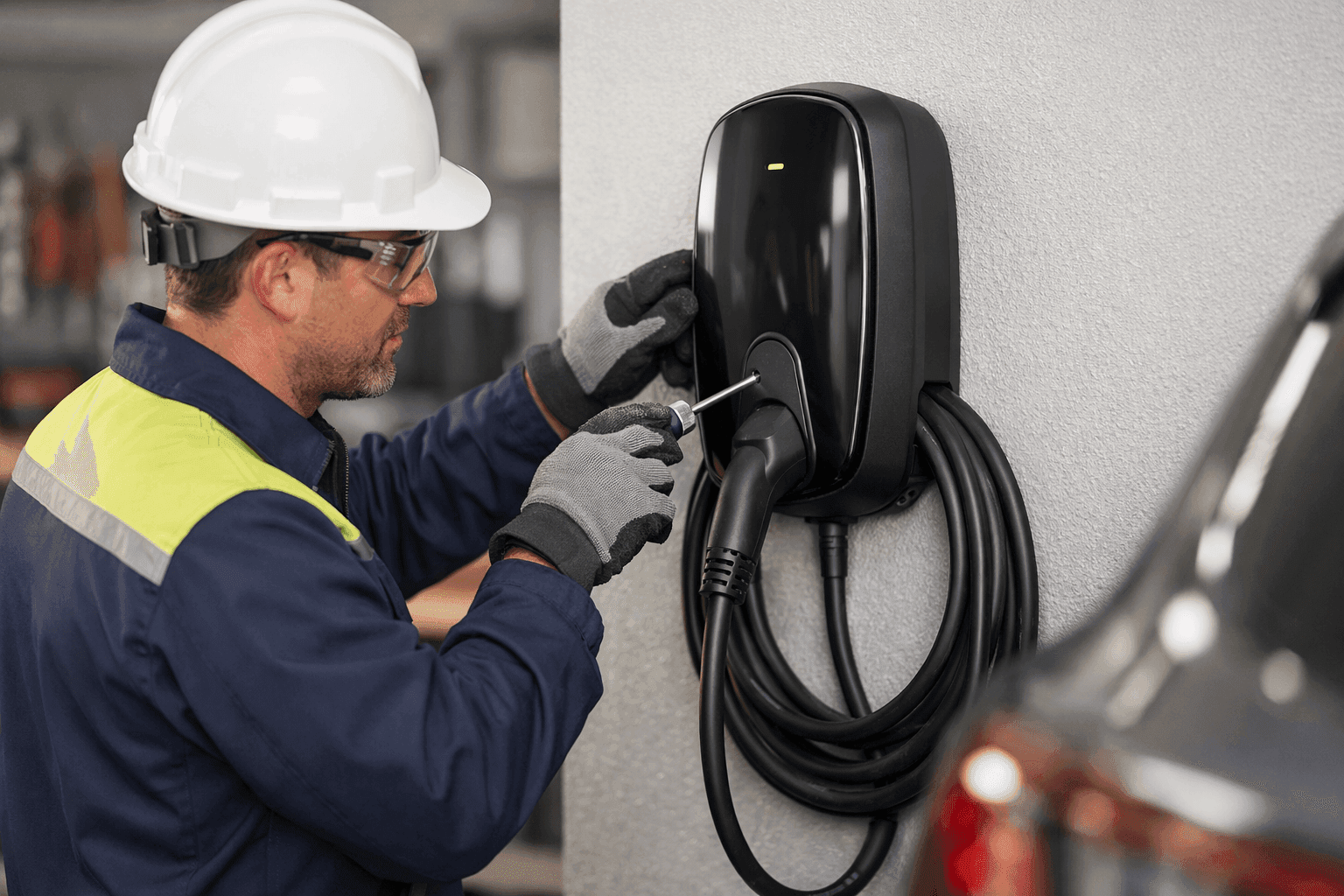
Are you thinking about adding an EV charger to your home? The process might seem as simple as plugging in a lamp, but it’s a world apart. Electricity is powerful, and working with it safely takes planning, skill, and the right touch. At TXC Electric, we help homeowners and businesses step into the future—without missing a beat or a safety detail.
With more drivers switching to electric vehicles, the need for professional EV charger installation is growing fast. Let’s break down what you need to know, what you can do yourself, and when it’s time to call an electrician.
Types of Home EV Chargers
Not all EV chargers are built the same. Imagine the difference between filling a glass from a dripping faucet and one from a strong, steady stream.
- Level 1 Chargers: These plug right into a standard 120V outlet. They’re slow—think overnight charging, or even longer for bigger batteries.
- Level 2 Chargers: These use 240V, like your dryer or oven. They’re much faster and often require a dedicated circuit and professional installation.
- Smart Chargers: Some Level 2 chargers come with Wi-Fi controls, scheduling, and energy tracking. Great for tech-savvy homeowners who want more control.
Level 2 chargers are the go-to for most homeowners. They balance speed, convenience, and cost, and they’re compatible with nearly all new EVs.
Installation Requirements
Installing an EV charger is more than mounting a box on the wall. It’s about matching your home’s wiring and electrical panel to your car’s needs.
- Electrical Panel Capacity: Does your panel have enough space and ampacity? Many homes need an upgrade before adding a 240V circuit.
- Dedicated Circuit: A Level 2 charger requires its own circuit—no sharing with the dryer or workshop tools.
- Location: Garages are common, but outdoor installations need weatherproofing and extra care.
- Permits: Most cities require a permit and inspection for EV charger installation. This isn’t just red tape—it’s about safety and code compliance.
- National Electrical Code (NEC): Section 625 covers Electric Vehicle Power Transfer Systems. Following NEC isn’t optional; it’s the rulebook for every safe installation.
If you’re searching for "Electrical System Installation near you," make sure you ask about panel capacity, dedicated circuits, and code compliance up front.
Safety Guidelines ⚡
Electricity is no place for shortcuts. Here’s what keeps you, your vehicle, and your home out of harm’s way:
- Turn Off Power Before Work: Never handle wiring with live power.
- Use GFCI Protection: Especially outdoors or in garages where moisture is a risk.
- Proper Grounding: Prevents shock and protects your vehicle’s electronics.
- Weatherproofing: Outdoor chargers need sealed enclosures and weather-resistant covers.
- Wire Sizing: Using undersized wire is like trying to funnel a river through a straw—overheating and fire hazards follow.
- Follow Manufacturer Instructions: Each charger has specific requirements for safe operation.
The Electrical Safety Foundation International (ESFI) and your local authority have more detailed guidelines—always worth a review.
Wiring and Panel Upgrades
Thinking of handling the wiring yourself? Pause. EV chargers draw serious power, and your home’s circuits need to be ready.
- Assess Panel Load: Can your electrical panel handle the new charger without overloading? Many homes built before 2000 need an upgrade.
- Upgrade When Needed: If your panel’s maxed out, installing a subpanel or upgrading the main panel is often required.
- Wire Gauge Matters: For most Level 2 chargers, #6 or #8 copper wire is standard. Too small, and you risk overheating.
- Breaker Size: Your electrician will match the breaker to the charger’s requirements—most run on 40–50 amps.
For most, this is not a safe DIY project. Qualified electricians ensure every wire, breaker, and outlet meets both code and the needs of your EV.
DIY vs. Call a Pro
Some upgrades are a Saturday project. Installing an EV charger isn’t one of them.
DIY Risks:
- Voiding the manufacturer’s warranty
- Failing to meet code (which can affect insurance)
- Personal injury or property damage
When to Call a Pro:
- You’re unsure about panel space or wiring size
- The charger is outdoors
- You want the installation to last (and be covered by warranty)
TXC Electric handles everything—from panel assessments to final inspection. You’ll know the job’s done right, and your investment is protected.
What Professionals Do On Arrival
When our team arrives, we don’t just install and leave. Here’s what to expect:
- Check Electrical Panel: Assess if your current setup can handle the load.
- Plan Routing: We look for the safest, shortest path for new wiring.
- Install Dedicated Circuit: Using the right breaker, wiring, and conduit.
- Mount the Charger: Secure, level, and at the right height.
- Test and Inspect: We power up, test with your vehicle, and verify GFCI protection.
- Walkthrough and Education: We show you how to operate, schedule charging, and recognize any warning signs.
Maintenance Tips
Your charger is like any other major appliance—it needs occasional care.
- Inspect Cables Regularly: Look for fraying, cracking, or heat damage.
- Clean Connectors: Dust and grime can cause poor connections. Use a dry cloth—no water.
- Check for Updates: Some smart chargers get firmware updates. Stay current for best performance.
- Monitor Charging Speed: Sudden drops may indicate a wiring or charger issue.
- Protect from Moisture: If outdoors, check enclosures for leaks after heavy rain.
A quick monthly visual check goes a long way toward reliable charging.
Troubleshooting Common Issues 🚗
Sometimes, things just don’t work as expected. Before you panic:
- Charger Won’t Turn On: Check the breaker and GFCI outlet first.
- Charging Is Slow: Could be a software setting or a wiring issue.
- Tripping Breakers: Usually points to an overloaded circuit or faulty wiring.
- Hot Connectors: Stop charging and call an electrician. Overheating is a red flag.
When in doubt, reach out to a professional before you try to fix electrical problems yourself.
Quick Safety Checklist
Want a fast gut-check before plugging in?
- All work permitted and inspected
- GFCI protection in place
- Charger securely mounted
- No visible cable or outlet damage
- Breakers labeled and easy to access
If you check all these boxes, you’re off to a safe start.
Common Mistakes to Avoid
- Using Extension Cords: Never use them for EV charging—fire risk.
- DIY with No Permit: Skipping inspections can mean hidden hazards.
- Ignoring Manufacturer Specs: Not all chargers or cars use the same wiring.
- Improper Weatherproofing: Outdoor chargers need extra attention.
- Overloading Circuits: Always calculate your home’s electrical load before adding new devices.
Timeline and Disruption
How long does it take? Most installs wrap up in half a day, but panel upgrades can add a day or two. Be prepared for some power shut-offs—usually an hour or two. Most of the time, you’ll hardly notice we were there, except for your new charging power.
Costs and Time Factors
Factors that impact price and time:
- Panel upgrades
- Distance from panel to charger
- Permitting fees
- Charger model and features
A simple install is quicker and less expensive. Upgrades or complex wiring add time and cost—but cut corners, and you’re paying twice down the road.
Signs of Trouble
Call an electrician if you notice:
- Breakers tripping repeatedly
- Burning smells near the charger
- Unusual heat from connectors or outlets
- Flickering lights during charging
- Charger display warnings or errors
Don’t wait—electricity gives warning signs for a reason.
When It’s an Emergency
If you experience sparking, smoke, or any electrical fire, shut off power at the main breaker and call emergency services. Electrical issues can escalate fast. Always stay safe.
Prevention & Seasonal Considerations
- Summer: Heat can stress wiring and connectors. Keep outdoor units shaded if possible.
- Winter: Snow and ice can damage connections. Inspect for moisture entry points.
- After Storms: Check for water leaks or debris around the charger.
Routine seasonal checks help prevent small issues from becoming big ones.
FAQ: Home EV Charger Basics
Do I need a permit?
Yes, for most installations—your city code requires it.
Can I use my dryer outlet?
Not safely. A dedicated circuit is a must.
Will charging cost more on my utility bill?
Yes, but many utilities offer lower rates at night for EV charging.
What about warranty?
Most charger warranties require professional installation. Keep your paperwork.
Internal and Local Services
For more on our services, check out our EV Chargers or Wiring & Circuits pages. If you’re searching for an electrician company in your area, TXC Electric brings experience and a commitment to safety on every job.
Ready to Charge Ahead?
You don’t have to roll the dice on your home’s safety or your car’s future. Let TXC Electric handle your EV charger installation, maintenance, and upgrades—the professional way.
Call TXC Electric now — or reach us anytime at 855-557-6564 .