How to Get an Electrical Certificate for Your Property
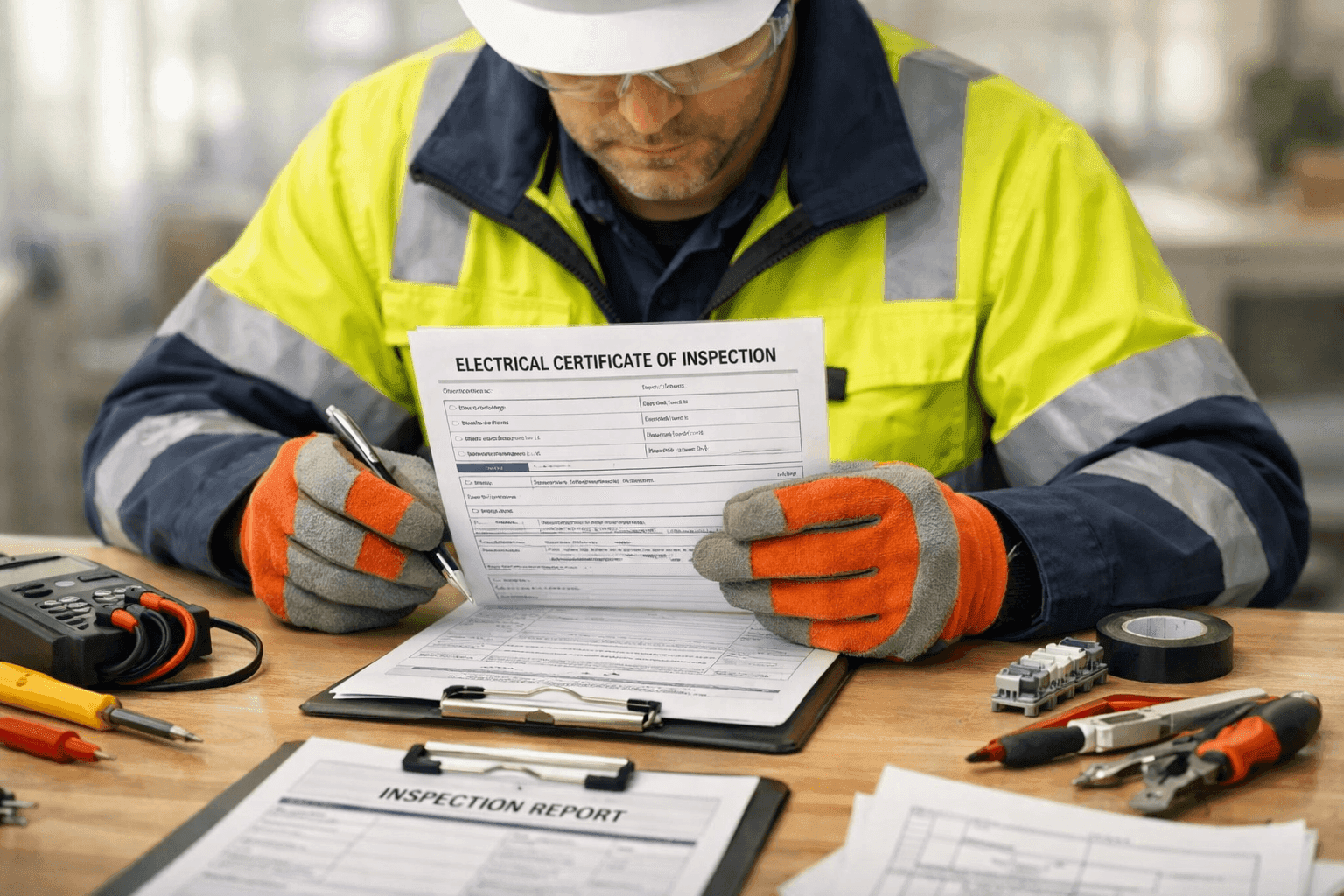
Is your property truly safe behind the walls and switches? The answer is written in a document many overlook: the electrical certificate. If you’re buying, selling, renting, or just keeping your family or business secure, this piece of paper matters more than most realize.
Electrical certificates aren’t just another box to check. They’re the difference between feeling confident about your wiring or worrying about what’s lurking in the walls. At TXC Electric, we know what goes into making your property code-compliant—and why it matters right now.
What is an Electrical Certificate? 📝
An electrical certificate is an official document stating that your property’s electrical system meets safety standards. It’s proof that a qualified electrician has inspected, tested, and found everything up to code. It covers the wiring, outlets, panels, breakers, and sometimes, even appliances or special installations like EV chargers.
Think of it as a report card for your property’s electrical health. Passed with flying colors? Peace of mind. Failed? You’ll know exactly what needs fixing.
Why Certificates Matter
It’s not just about paperwork. Certificates are often required by law for:
- Selling or renting out property
- Major renovations or new electrical installations
- Insurance policies and claims
- Passing building inspections
Skipping this step is like driving without a seatbelt—maybe nothing happens, but the risk isn’t worth it. Insurance companies may even reject claims after a fire or electrical fault if you can’t show a certificate. Local authorities can impose fines or halt your renovation project. If you’re a landlord, it’s your legal duty to provide tenants with proof of electrical safety.
How to Get Certified: The Process
Getting an electrical certificate is straightforward, but attention to detail matters:
-
Choose a Licensed Electrician
Don’t cut corners. Only a licensed, qualified electrician can issue a valid certificate. Look for experience with [Electrical System Installation near you] and current code knowledge. -
Book an Electrical Safety Inspection
The electrician visits your property, examining everything from the service panel to the last outlet. They’ll check wiring, grounding, GFCIs, smoke detectors, circuit breakers, and more. -
Testing & Fault Finding
Each circuit is tested for continuity, resistance, and earth fault protection. Specialized tools spot hidden problems—think of it as an MRI for your home’s wiring. -
Report & Recommendations
You’ll receive a detailed report. If your system passes, you get your certificate. If not, you’ll get a list of issues to fix before certification. -
Repairs & Re-Inspection
If repairs are needed, the electrician can quote and schedule them. After fixes, a follow-up inspection seals the deal.
Common Failures That Stop Certification
Not every property passes on the first try. Some of the most common reasons for failure include:
- Outdated or damaged wiring (especially in older homes)
- Faulty or missing GFCI/AFCI protection
- Overloaded circuits or undersized panels
- Missing or non-working smoke and carbon monoxide detectors
- Improperly installed outlets or switches
- Water damage in electrical boxes, particularly in kitchens, baths, or pool areas
- DIY fixes that don’t meet the National Electrical Code (NEC)
If you hear buzzing outlets or see flickering lights, don’t ignore them. These are warning signs—like a check engine light on your car.
Legal and Insurance Implications
Many city and state codes require a valid electrical certificate after major electrical work or before property transactions. The National Fire Protection Association (NFPA) and the NEC set the standards followed nationwide.
Insurance companies frequently ask to see up-to-date certificates after a claim. Without one, you could face denied payouts or be forced to pay for repairs out of pocket. For landlords, lacking a certificate can mean fines or legal action if a tenant is harmed due to unsafe wiring.
Professional Inspections: What to Expect
When a TXC Electric electrician arrives, you can expect:
- A clear, step-by-step walk-through of what will be checked
- Minimal disruption to your daily routine—most inspections take just a few hours
- Use of advanced diagnostic tools and up-to-date testing equipment
- Honest feedback and a written report, including photos if major issues are found
We follow the most current NEC and state rules, so you’re not left guessing about compliance.
Quick Safety Checklist Before Inspection
Want to improve your chances of passing? Here’s what you can check (safely):
- Make sure all outlets and switches are securely mounted—no loose plates
- Test GFCI outlets in kitchens, bathrooms, and outdoor areas
- Reset tripped breakers and note any that won’t stay on
- Replace any missing or broken cover plates
- Check that smoke and CO detectors have fresh batteries and function properly
But don’t open panels or touch wiring—leave that to a pro.
DIY vs. Calling a Pro
Changing a lightbulb? Sure, that’s DIY. Rewiring a circuit? That’s a job for a licensed electrician.
Attempting electrical work without training is risky. It can void your insurance, put your safety at risk, and fail inspection. Professional electricians have the tools, training, and code knowledge to ensure every connection is safe.
What Pros Do On Arrival
When a TXC Electric technician comes for an inspection or [electrical-safety-inspections], you can expect:
- A review of past certificates and inspection history
- Full walkthrough of the premises, including attic, basement, and exterior outlets
- Use of voltage testers, insulation resistance meters, and circuit analyzers
- Checking for code compliance, labeling, and safety features
Our team documents every step, so you have a clear record for future reference.
Prevention & Maintenance
An electrical certificate isn’t just a one-time event. Regular maintenance keeps your system safe year after year. Schedule an annual check-up, especially if you run a business or have a pool, spa, or EV charger. TXC Electric offers [residential-services] and commercial solutions to keep your system in top shape.
Costs & Time Factors
How much does certification cost? It depends on property size, age, and complexity. Most residential inspections are affordable, especially compared to the cost of repairs after a fire or failed insurance claim.
Inspections usually take a few hours. Large commercial properties might take longer, especially if there are multiple panels or specialized equipment.
When It’s an Emergency
If you smell burning, see smoke, or lose power in part of your home, call an electrician immediately. Safety comes before paperwork. Once the situation is stable, arrange for a full inspection and certification to prevent future issues.
Seasonal Considerations
Severe weather—like storms, floods, or heat waves—can stress your electrical system. After such events, it’s smart to schedule a safety check and consider updating your certificate, especially if you notice new issues.
Common Mistakes Homeowners Make
- Ignoring small warning signs (like buzzing outlets)
- Hiring unlicensed contractors for “quick fixes”
- Skipping regular inspections, especially after renovations
- Forgetting to update certificates after major work
A stitch in time saves nine—and often saves money, too.
Signs Your Property Needs a Certificate Update
- Renovations or additions
- New appliances or systems installed (pool, spa, EV charger, generator)
- Buying or selling property
- Insurance policy renewal
- After any major electrical repairs
Don’t wait for a problem to become a crisis.
Timeline & Disruption
Most inspections cause minimal disruption. Power may be turned off briefly to test circuits, but your daily life or business won’t grind to a halt. TXC Electric works efficiently, aiming to keep you up and running.
Materials & Equipment Certified Electricians Use
- Insulation resistance meters
- Voltage testers
- Ground fault testers
- Circuit analyzers
- Labeling and documentation tools
These aren’t gadgets you find in a hardware store—they’re advanced instruments that ensure nothing is missed.
Frequently Asked Questions
Do I need a certificate for every property I own?
Yes, each property requires its own certificate based on its unique electrical system.
How long is a certificate valid?
Typically, certificates are valid for 3–5 years, or until major changes are made to the wiring.
Who can issue a certificate?
Only a licensed electrician or electrical contractor registered with your state.
What standards are followed?
Inspections use the National Electrical Code (NEC) and local building codes. The National Fire Protection Association (NFPA) provides widely accepted guidelines.
Electrical Safety First: Your Next Steps
Getting an electrical certificate isn’t just a legal hoop to jump through. It’s a smart move for your safety, your property value, and your peace of mind. Whether you’re a homeowner, business owner, or landlord, TXC Electric makes the process clear and hassle-free.
If you need more information about Certificates or want to connect with an experienced electrician company, see our Coeur d'Alene page.
Call TXC Electric now — or reach us anytime at 855-557-6564 .