How to Ensure Safe Electrical Installations: Pro Standards
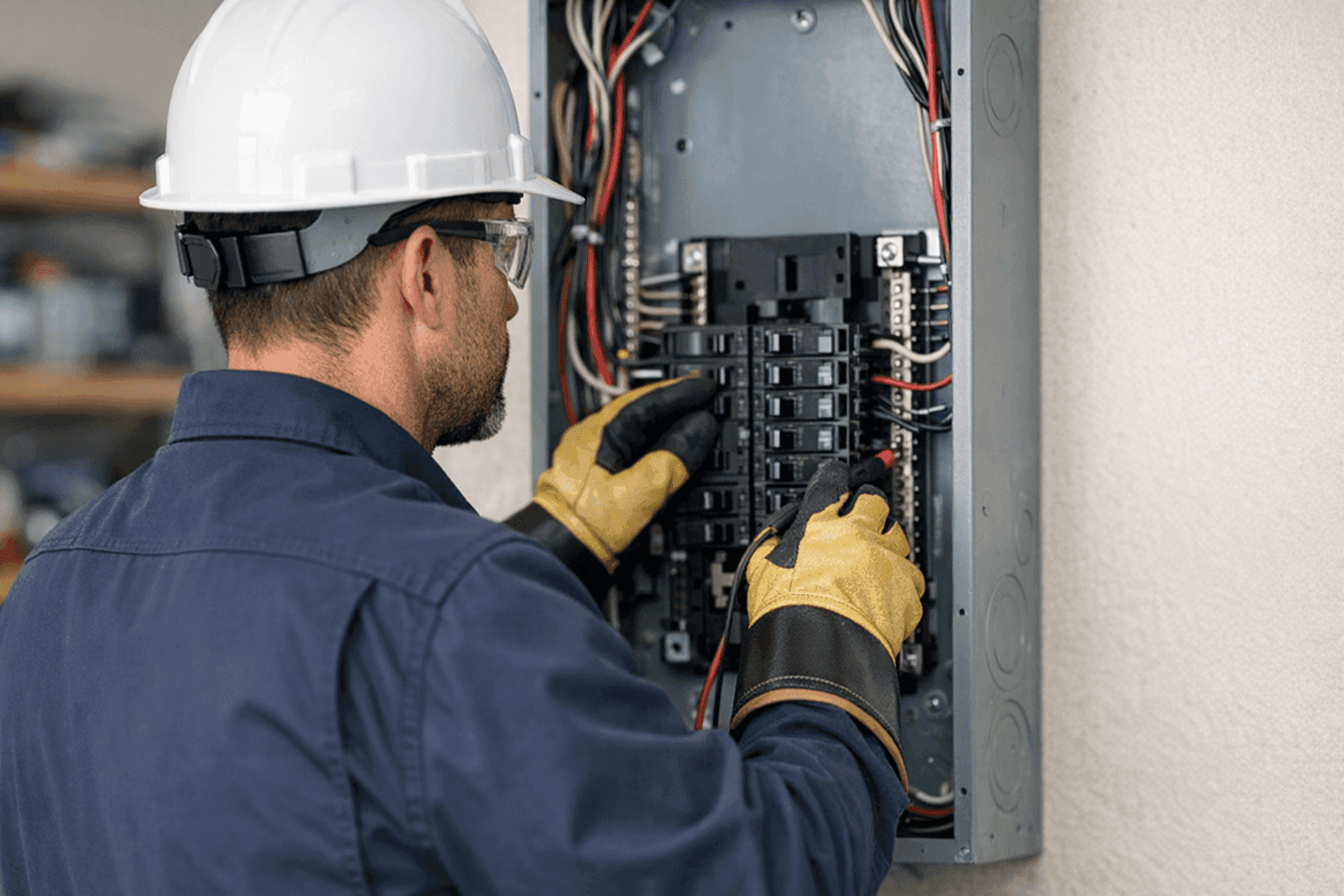
Every time you flip a switch or plug in your phone, you trust that the electricity in your home or business is safe. But behind every safe outlet or light is a series of choices—and standards—that make all the difference. At TXC Electric, we know the risks are real, and the stakes are high.
One wrong wire could mean more than a flickering light. It could mean a fire, a shock, or a costly system failure. That’s why getting electrical installations right matters so much—whether you’re a homeowner, a property manager, or running a business.
What Makes an Installation Safe? ⚡
A safe electrical installation isn’t just about wires and switches. It’s about an entire system working in harmony, like a well-rehearsed orchestra. Here’s what goes into it:
- Correct wiring and connections—no shortcuts, no guessing.
- Quality materials that resist wear, moisture, and heat.
- Proper grounding and bonding to prevent shocks and surges.
- Secure fixtures—outlets, switches, and panels that don’t wiggle or spark.
- Clear labeling so future repairs aren’t a guessing game.
Safety is no accident. It’s built step by step, with every inspection, every test, and every part installed.
Standards and Code: The Rulebook for Safety
Professional electricians don’t just “know” what’s safe. We follow specific rules—like the National Electrical Code (NEC)—that set the minimum requirements for every installation. These codes are updated regularly to reflect new technology and safety data.
- NEC compliance: It’s not just a suggestion; it’s the law in most areas.
- Local amendments: Some cities and states have extra requirements.
- Certificates of compliance: Inspections ensure everything is up to code (see our Certificates service).
Referencing trusted sources like OSHA and the Electrical Safety Foundation International (ESFI) is part of our daily work.
Common Safety Violations (and How to Avoid Them) 🚫
Even the smallest mistake can have big consequences. Some of the most common electrical safety violations we see:
- Overloaded circuits (too many devices = too much heat)
- Unprotected wiring (wires exposed or run through the wrong places)
- Missing or faulty ground-fault circuit interrupters (GFCIs)
- Improperly sized breakers or fuses
- Uncertified DIY repairs
These aren’t just red flags—they’re preventable hazards. Regular Safety Checks can catch these before they cause trouble.
Quick Safety Checklist for Home and Business
Want to know if your installation is up to par? Here’s a simple checklist:
- Outlets feel warm or show scorch marks? Call an electrician.
- Lights flicker when appliances run? Time for a professional look.
- Extension cords in permanent use? That’s a stopgap, not a solution.
- GFCIs missing near water? That’s a code violation.
- No recent inspection? Schedule one soon.
If you spot any of these, don’t wait.
DIY vs. Call a Pro: Where the Line Really Is
You might be handy with a screwdriver. But wiring is like plumbing—one hidden leak can sink the ship. Here’s the truth:
- DIY can void insurance: Many policies won’t cover fires or damage from unlicensed work.
- Permits matter: Only licensed electricians can pull the right permits.
- Certification: Legal installations come with paperwork—DIY doesn’t.
When a job is more than changing a bulb, it’s time for a pro. Searching for “Electrical System Installation near you”? Remember: a shortcut today could be a setback tomorrow.
What Pros Do On Arrival
When TXC Electric arrives, we don’t just dive in. Here’s what to expect:
- We listen to your concerns. Every property is unique.
- We inspect existing wiring, panels, and fixtures.
- We identify code violations or hazards.
- We plan the safest, most efficient path for new installations.
We bring the right tools, the right parts, and a mindset focused on lasting safety—not just a quick fix.
Inspection and Testing: Trust, But Verify 🔍
A good installation is tested, not just trusted. That means:
- Using calibrated meters to check voltage, continuity, and grounding.
- Thermal imaging to spot “hot spots” in panels or wiring.
- Simulating faults to ensure breakers and GFCIs trip as intended.
- Documenting results for your records and future reference.
This detailed process is your assurance that everything is working as it should.
Prevention & Maintenance: Staying Safe Over Time
Even perfect installations need care:
- Schedule periodic safety inspections.
- Replace aging breakers and outlets.
- Check for rodent damage or moisture in basements and attics.
- Upgrade panels and wiring as your needs grow—especially with new appliances or EV chargers.
A little maintenance now prevents a lot of stress (and expense) later.
Costs & Time Factors: What to Expect
Electrical work isn’t one-size-fits-all. Costs depend on:
- The size and age of your property
- The complexity of the installation
- Materials and parts required
- Permit and inspection fees
Yes, professional work may cost more upfront. But it pays in peace of mind, safety, and often, lower insurance rates. A proper job is like a sturdy roof—it protects everything underneath.
When It’s an Emergency
Some problems can’t wait:
- Burning smells from outlets or panels
- Sparking wires or breakers that won’t reset
- Complete power loss, especially with medical or safety systems
- Flooded electrical boxes or panels
In these moments, call for emergency service. Don’t try to fix it yourself—electricity is fast and unforgiving.
Signs of Trouble: What to Watch For ⚠️
Keep an eye (and ear) out for:
- Buzzing or sizzling sounds from outlets
- Circuit breakers that trip repeatedly
- Lights that dim or brighten unexpectedly
- Outlets that don’t hold plugs securely
- Any tingling when you touch appliances
These are early warning signs. Don’t ignore them.
Timeline & Disruption: How Long Will It Take?
Minor jobs, like installing a new outlet, can take less than an hour. Full panel upgrades or rewiring can stretch over several days. At TXC Electric, we plan work around your schedule and minimize disruption wherever possible.
Communication is key. We’ll tell you what to expect before, during, and after any job.
Materials & Equipment: Why Quality Matters
Not all wires, breakers, or panels are created equal. We use:
- UL-listed (certified safe) materials
- Properly rated breakers and fuses
- Modern, tamper-resistant outlets
- Weatherproof boxes for outdoor work
Cutting corners here is like building a house on sand. Quality parts, installed the right way, last longer and protect better.
FAQ: Your Electrical Installation Questions
Q: Do I need permits for every job?
A: For significant electrical work—yes. Your local authority and insurance require it.
Q: How often should I get my system inspected?
A: Every 3–5 years for most homes. Businesses may need more frequent checks, especially with high loads.
Q: Can you help with new tech, like EV chargers or home automation?
A: Absolutely. We stay current with the latest code and technology.
Seasonal Considerations: Weather and Safety
Texas heat, summer storms, and winter freezes each bring unique risks:
- Summer: Overloaded circuits from AC units or pool equipment.
- Storms: Power surges and outages—consider surge protection and backup generators.
- Winter: Space heaters can strain older wiring.
Prepare ahead—don’t wait for a breakdown.
Choosing a Pro: Insurance, Compliance, and Peace of Mind
When you’re evaluating an electrician, ask:
- Are they licensed and insured?
- Do they provide documentation for each job?
- Will they handle permits and inspections?
- Can they show recent Certificates of compliance?
With TXC Electric, you get the reassurance of a job done right. No guesswork. No cut corners.
And if you’re looking for local help, our Installations team is ready to assist—wherever you are.
Call TXC Electric now — or reach us anytime at 855-557-6564 .