How to Diagnose and Repair Motor Control Systems
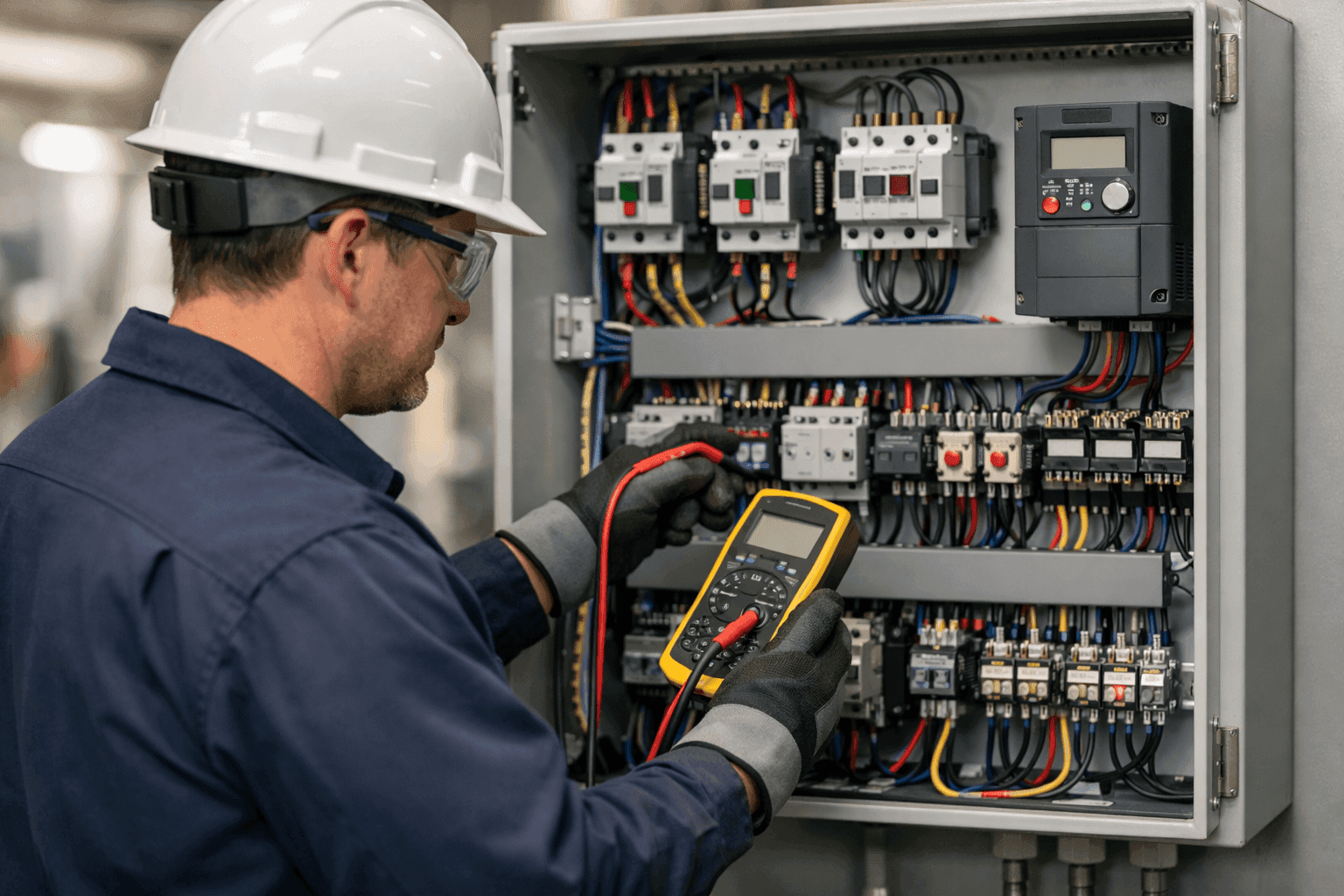
Motor control systems are the heartbeat of modern buildings. When they fail, everything grinds to a halt—production lines, HVAC, elevators, even your pool pump. The silence of a stopped motor is more than an inconvenience; it’s lost time, lost revenue, and sometimes, real danger.
At TXC Electric, we know just how critical these systems are. Our electricians have seen it all, from tiny relay failures to complex wiring mysteries. If you’re facing issues, you’re not alone—and you don’t have to face them without answers.
What is a Motor Control System? ⚡
Think of a motor control system as the brain and nerves of any device with a moving part. It tells motors when to start, how fast to run, and when to stop. These systems are everywhere: in factories, offices, homes—running conveyor belts, elevators, pumps, fans, and more.
A typical system includes:
- Switches, relays, and contactors
- Circuit breakers and overload protection
- Sensors and timers
- Wiring and control panels
Each part must work in harmony. When one piece fails, the whole system can stumble.
Common Problems in Motor Control Systems
Motor control systems are tough but not invincible. Problems often show up as:
- Motors that won’t start or stop
- Unexpected shutdowns or resets
- Overheating components
- Fuses blowing or breakers tripping
- Strange noises, vibrations, or burning smells
Sometimes, the issue hides deep in the wiring or a failing sensor. Other times, it’s as simple as a worn-out switch.
Quick Safety Checklist Before You Start
Before you even think about opening a control panel, stop. Safety isn’t a suggestion—it’s the rule.
- Always turn off power at the breaker.
- Wear insulated gloves and safety glasses.
- Test circuits with a voltage tester.
- Never bypass safety interlocks.
- If you’re unsure, step back and call a licensed electrician.
Nothing is worth risking your health or life.
DIY vs. Call a Pro: Knowing Your Limits
It’s tempting to troubleshoot a motor control issue yourself. For basic tasks—like checking a tripped breaker or replacing a fuse—you’re probably fine. But for anything beyond that, the risks multiply fast.
- High voltages can arc or shock, even after turning off power.
- Incorrect wiring can cause fires or further equipment damage.
- Code violations can lead to fines or insurance headaches.
If you’re not trained for electrical system installation near you, call in the professionals.
What Pros Do On Arrival
When TXC Electric gets the call, our team moves fast. Here’s what happens next:
- We listen to your description of the problem.
- Our electrician inspects the control panel, wiring, and connected devices.
- We check for obvious signs: burnt wires, tripped breakers, loose connections.
- Using advanced test equipment, we trace the problem to its root—whether it’s a failed relay, broken wire, or faulty overload.
- Everything is documented for safety and future reference.
The Diagnostic Process: Step by Step
Diagnosing a motor control system is a bit like detective work. Here’s our approach:
- Visual Inspection: Look for signs of damage, discoloration, or wear.
- Circuit Testing: Use a multimeter to check voltage, continuity, and resistance.
- Component Isolation: Test switches, relays, and contactors individually.
- Load Testing: Ensure the motor itself is not shorted or seized.
- Control Signal Verification: Confirm timers and sensors are sending the right signals.
Each step narrows down the possibilities until the culprit is clear.
Repair Options: What Can Be Fixed?
Most motor control issues can be repaired—if you move quickly.
- Replace Faulty Components: Switches, relays, and contactors can often be swapped out.
- Rewire Damaged Circuits: Our team can replace or reroute wires that have burned or broken.
- Panel Upgrades: Outdated control panels may need new breakers or relays to meet code.
- Tune-Up and Clean: Dust and grime can cause overheating or shorts. A thorough cleaning helps.
We use only code-approved parts and follow National Electrical Code (NEC) guidelines for every repair.
When to Replace the System
Sometimes, repair isn’t the best option. Here’s when replacement makes sense:
- The panel or components are obsolete or no longer available.
- Repeated failures suggest deeper design flaws.
- The system can’t support new equipment or loads.
- Safety codes have changed, and upgrades are required.
A new motor control system can boost efficiency, reliability, and safety. It’s an investment that pays you back with less downtime and fewer headaches.
Downtime Risks: Why Fast Action Matters
Every minute your motor control system is down, productivity takes a hit. For commercial clients, that means missed deadlines and disappointed customers. For homeowners, it could mean spoiled food, no AC, or unsafe pool equipment.
Quick diagnosis and repair protect your bottom line—and sometimes, your reputation.
Efficiency and Energy Savings
A well-tuned motor control system doesn’t just work—it works smart. Modern controls can:
- Reduce energy use by matching motor speed to demand
- Cut wear and tear, extending equipment life
- Lower your monthly utility bills
Upgrades or repairs to older systems are often the fastest way to boost efficiency.
Certified Repairs: Why It Matters
Not all repairs are created equal. At TXC Electric, our technicians hold current certifications and follow all state and federal safety codes. We provide detailed testing and documentation after every job, so you know your system is safe and compliant.
For more on our approach to Machine Wiring and Commercial Services, see our service pages.
Prevention & Maintenance Tips
Routine care keeps problems away. Here’s what you can do:
- Schedule annual safety inspections by a licensed electrician.
- Keep control panels clean and clear of dust.
- Check connections for tightness every six months.
- Listen for new noises or changes in motor performance.
- Update documentation after any changes or repairs.
Sticking to a routine prevents surprise breakdowns.
Costs & Time Factors: What to Expect
Every repair is different. Simple fixes—like replacing a relay or fuse—can be done in under an hour. More complex jobs, such as rewiring or panel upgrades, may take a day or more.
Costs depend on parts, complexity, and system age. We always provide clear estimates and keep you informed every step of the way.
When It’s an Emergency
Certain signs mean you should call for emergency service right now:
- Smoke, sparks, or the smell of burning plastic
- Complete loss of power to critical systems
- Repeatedly tripping breakers or blown fuses
- Any sign of water or moisture inside a control panel
Don’t wait. Fast action can prevent fires or serious damage.
Common Mistakes to Avoid
Even well-meaning DIYers can make things worse. Avoid these pitfalls:
- Swapping parts without understanding the root problem
- Ignoring warning signs like heat or odors
- Using the wrong replacement parts or wire sizes
- Failing to test before restoring power
When in doubt, call TXC Electric for help.
Timeline & Disruption: Plan Ahead
We know that downtime hurts. Our electricians work efficiently to diagnose and repair with minimal disruption. For larger jobs, we’ll help you schedule repairs during off-hours if possible, so your business keeps moving.
Materials & Equipment Used in Repairs
We use only high-quality, UL-listed components. These meet or exceed NEC safety standards. Our vans are stocked with:
- Relays, switches, and contactors for quick swaps
- Heavy-duty wire and terminals
- Diagnostic meters and thermal cameras
- Cleaning supplies to keep your panels dust-free
No second-rate parts. No shortcuts.
FAQ: Motor Control Systems
How long do motor control systems last?
With regular maintenance, many last 10–20 years or more.
Are upgrades worth it?
Yes—especially if your equipment is older or you’re experiencing frequent issues.
Do you serve residential and commercial customers?
Absolutely. From home pool pumps to industrial conveyor belts, we handle it all.
Where can I find reliable electrician services?
For those searching for an electrician company in Vermont, see our Motor Control Systems page for more details.
Closing Thoughts
Motor control systems are complex, but keeping them running doesn’t have to be a mystery. Whether you’re facing a sudden shutdown or planning a proactive upgrade, TXC Electric is ready to help. Don’t let a small issue become a big disaster.
Call TXC Electric now — or reach us anytime at 855-557-6564 .