How to Choose the Right Backup Generator for Your Home
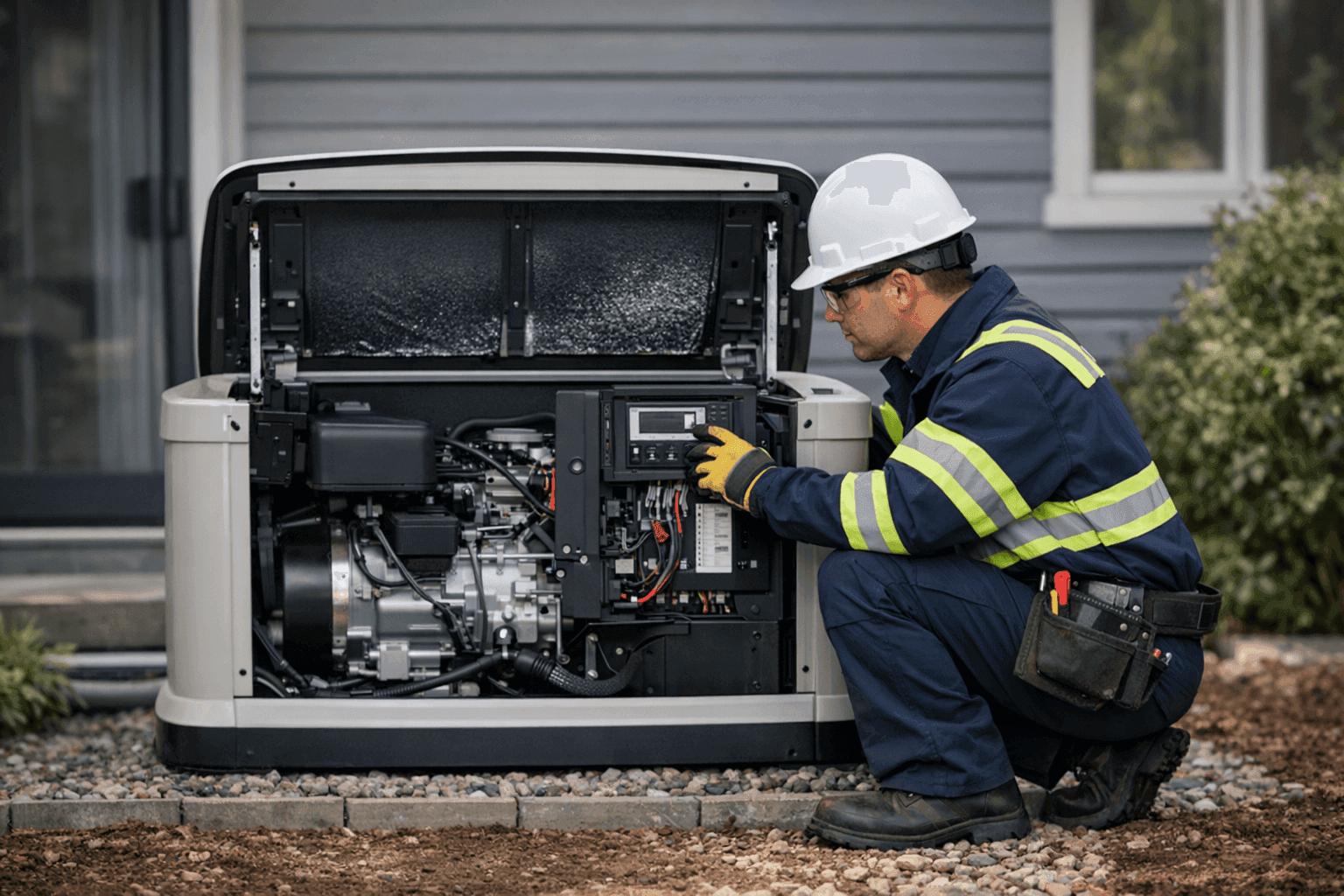
Power. It’s the heartbeat of your home. When the lights go out, comfort, security, and even safety can vanish in a blink. That’s why more homeowners are investing in backup generators — the unsung heroes that keep life moving when storms or outages strike.
But with so many options, specs, and installation rules, choosing the right backup generator can feel overwhelming. TXC Electric is here to cut through the confusion with real-world advice you can count on.
Types of Home Generators
Generators come in a few main flavors, each with unique strengths.
- Portable Generators: These smaller units are like the spare tire of backup power. Good in a pinch, but not built for marathon use. They need manual setup and fuel refills.
- Standby Generators: Think of these as the “set it and forget it” solution. Permanently installed and wired directly to your home’s electrical system. When the power drops, they automatically kick on.
- Inverter Generators: Quieter, more efficient, and ideal for sensitive electronics. These are often portable, but some models can power select circuits in your home.
Automatic vs. Manual: Standby generators with automatic transfer switches are the gold standard for convenience. They sense power loss and start up on their own. Manual options require you to physically start them and flip over the power source.
How to Size Your Generator ⚡
Picture this: You’re buying a backpack for a hike. Too small, and you can’t carry what you need. Too big, and it’s overkill. Sizing a generator is much the same.
- List Essential Loads: Make a list of appliances and systems you can’t live without during an outage. Fridge, sump pump, medical equipment, Wi-Fi, HVAC — these add up.
- Check Wattages: Every device uses a certain number of watts. Add up the starting (surge) and running watts for everything on your list.
- Factor in Growth: Think about future needs. Electric car charger? New appliances? Leave room to grow.
- Consult an Electrician: A professional assessment is the safest way to ensure your generator matches your needs and complies with electrical code.
The National Electrical Code (NEC) offers guidance on safe generator sizing and installation. It’s not just about comfort — it’s about safety.
Installation Steps: Laying the Groundwork
Installing a generator is more than plugging in a big box and walking away. Here’s how the process usually unfolds:
- Site Assessment: An electrician will inspect your property, considering clearances, ventilation, and utility locations.
- Permits and Approvals: Local codes often require permits. Skipping this can lead to fines or insurance headaches.
- Pad and Placement: Standby generators sit on a concrete or composite pad to keep them stable and level.
- Fuel Connection: Natural gas? Propane? Diesel? Each has its own requirements for safe piping and storage.
- Electrical System Installation: The generator is wired to your main panel, often with a transfer switch. This is not a DIY step — mistakes can be dangerous.
- Testing and Inspection: Before sign-off, everything is tested and inspected per code.
For more on our process, see our Backup Generators and Installations service pages.
Cost Considerations: Budgeting for Peace of Mind
Backup generators aren’t an impulse buy. Between the unit, installation, permits, and fuel, costs can vary widely.
- Portable Generators: $500–$2,500 (unit only)
- Standby Generators: $3,000–$10,000+ (unit and installation)
- Fuel Source: Natural gas lines may need upgrades; propane tanks require refills.
- Electrical Upgrades: Older homes might need panel upgrades for safe generator integration.
Don’t forget long-term costs: routine maintenance, occasional repairs, and fuel. Cutting corners now can mean higher bills — or bigger risks — later.
Maintenance and Safety
A generator is like a car. Ignore maintenance, and it will let you down when you need it most.
- Test Regularly: Run your generator monthly to keep parts lubricated and batteries charged.
- Change Oil and Filters: Follow the manufacturer’s schedule. Dirty oil can cause breakdowns.
- Keep It Clean: Clear debris from around the unit to prevent overheating and fire risk.
- Professional Inspections: Schedule an electrician to check wiring, transfer switches, and safety features annually.
Safety is non-negotiable. Never run a portable generator indoors. Always follow manufacturer guidelines and local codes. The National Fire Protection Association (NFPA) and your local building department are excellent resources.
Fuel Types: What’s Right for You?
Choosing a fuel type is a bit like choosing shoes for the weather. Some are ready for anything; others have limitations.
- Natural Gas: Clean, reliable, and connected to your utility line. No refueling — but not available everywhere.
- Propane: Easy to store, burns clean, but requires tank refills.
- Diesel: High power, but noisy and needs secure fuel storage.
- Gasoline: Common for portable units, but short shelf life and not ideal for long outages.
Consider what’s available in your area, supply chain stability, and your home’s existing infrastructure.
Features That Matter (and a Few That Don’t)
Not every bell and whistle is worth your money. Focus on:
- Automatic Transfer Switch: The brain that turns your generator into a seamless backup solution.
- Load Management: Keeps the generator from overloading by cycling high-power devices.
- Remote Monitoring: Lets you check status and get alerts from your phone.
- Weatherproof Casing: Especially important for outdoor installations.
Skip flashy extras that don’t add real value or safety.
Code, Permits, and Professional Assessment 📝
This isn’t just a box you buy at the hardware store. Installing a generator involves local building codes, electrical codes, and sometimes zoning laws.
- Permits: Always check with your local building department before starting work.
- Electrical Code Compliance: NEC requirements exist to keep you and your home safe.
- Insurance: Some policies require professional installation and inspection.
A licensed electrician will handle the paperwork, verify that everything is up to code, and make sure you’re covered if the unexpected happens.
Quick Safety Checklist
- Never run generators indoors or in garages.
- Place units away from windows and doors to prevent carbon monoxide buildup.
- Use outdoor-rated cords and connections for portable units.
- Schedule regular safety inspections.
- Install smoke and carbon monoxide detectors.
Safety isn’t an afterthought — it’s built into every step.
DIY vs. Call a Pro
Some home projects are perfect for a Saturday afternoon. Installing a backup generator isn’t one of them. Wiring mistakes can lead to fire, shock, or damage to your appliances. It’s also illegal in many places to perform this work without a licensed electrician.
Call a professional for assessment, installation, and regular maintenance. Your family’s safety is worth it.
What Happens When Pros Arrive
When the TXC Electric team shows up, we start with a full electrical safety inspection. We’ll walk your property, check your panel and circuits, and talk through your priorities. You’ll get clear advice, a plan, and a timeline — no surprises.
Prevention & Maintenance
Keeping your generator healthy is about routine and readiness.
- Run it monthly, even if you don’t need it.
- Keep fuel fresh and tanks full.
- Inspect for leaks, rust, or rodent damage.
- Replace worn parts before they fail.
Set calendar reminders or ask your electrician about service plans.
When It’s an Emergency
If your generator won’t start in a storm, don’t take risks. Call for emergency electrical service. Attempting DIY repairs on a live system is never safe.
For urgent help, TXC Electric offers 24-hour service and Generators support for North Charleston residents and businesses.
Common Mistakes to Avoid
- Skipping permits or inspections
- Undersizing the generator
- Ignoring regular maintenance
- Choosing the wrong fuel type
- DIY wiring
These shortcuts almost always cost more in the long run.
Signs of Trouble
Watch for:
- Unusual noises or smells
- Difficulty starting
- Frequent shutdowns
- Tripped breakers
- Warning lights
If you notice any of these, schedule a service call.
Seasonal Considerations
Generators work hardest during storms and extreme weather. Before hurricane season or winter, schedule a checkup. Clear snow, leaves, and debris from around your unit. Make sure your fuel supply is secure.
Timeline & Disruption
Most standby generator installations take 1–3 days, depending on site prep and inspections. Expect some noise and brief power interruptions. Your electrician will coordinate with utilities and keep you updated every step of the way.
Materials & Equipment
Professional installations require:
- The right generator for your needs
- Automatic transfer switch
- Proper wiring and surge protection
- Fuel lines and secure pad
- Circuit labeling and documentation
Quality matters. Don’t settle for “good enough” when it comes to your family’s safety.
Ready to power up your peace of mind? Call TXC Electric now — or reach us anytime at 855-557-6564 .