How to Childproof Your Home’s Electrical System
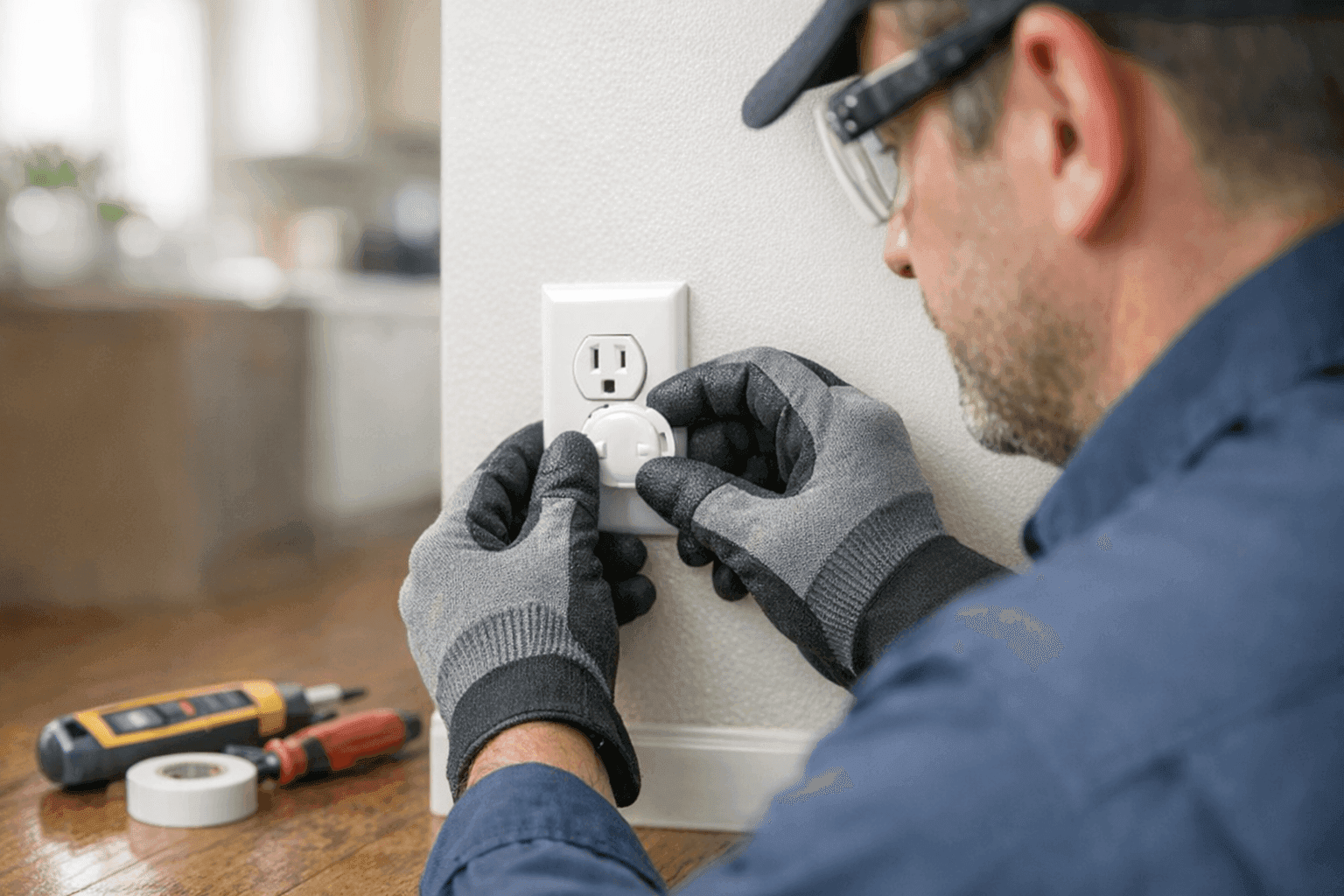
Every parent knows the feeling. You turn your back for a second, and your little one is already reaching for something they shouldn’t. Electrical outlets, cords, and gadgets are magnets for curious kids. The risks are real, but most are fixable. With the right steps, your home can be a safe haven.
At TXC Electric, we’ve seen it all: singed toys, melted outlets, and panicked mornings. Our certified electricians help families and businesses stay ahead of danger with smart, code-compliant solutions. Let’s dig into what you can do—today—to childproof your home’s electrical system.
Childproofing Basics: Why It Matters 👶
Electricity is silent, invisible, and—if left unchecked—dangerous. Kids don’t see risk; they see adventure. That’s why the U.S. Consumer Product Safety Commission recommends regular home safety reviews, especially in spaces where children live or visit.
A childproof home doesn’t happen by accident. It’s about foresight, preparation, and ongoing care. The best time to start? Before there’s a close call.
Quick Safety Checklist for Parents
Before you get lost in gadgets and gizmos, start with this:
- Inspect every outlet at child height
- Check for loose, exposed, or cracked switch plates
- Scan for dangling or frayed cords
- Unplug devices not in use
- Test smoke and carbon monoxide detectors
It’s not just about your peace of mind. It’s about theirs.
Outlet and Switch Covers: First Line of Defense
Outlets are irresistible to young fingers. That’s why tamper-resistant outlets (TRRs) are now standard per the National Electrical Code (NEC). If your home predates these updates, consider replacing your outlets. TRRs automatically block foreign objects—simple, effective, and invisible.
Prefer not to swap out outlets? Use sliding outlet covers or box-style protectors. Avoid cheap plug-in caps; kids learn quickly how to pull these out.
Switches matter too. In playrooms and bedrooms, install tough screw-on covers. Keep dimmers and smart switches out of reach whenever possible.
Looking for help? Our Outlets & Switches service covers upgrades and safe installations.
Appliance Safety: What Stays, What Goes
Appliances are part of life—kitchen, laundry, entertainment—but they’re also potential hazards. When childproofing:
- Move small appliances out of reach
- Never leave plugged-in devices on counters or near water
- Use safety latches on appliance doors (microwaves, ovens, washers)
- Check for recalls or safety advisories from the manufacturer
Unplug toasters, hairdryers, and irons when not in use. Unused appliances are unplugged appliances—no exceptions.
Cords and Devices: Taming the Tangled Jungle 🪢
Cords are like jungle vines for toddlers—tempting, fun, and risky. Loose cords can strangle, trip, or lead to shock.
Here’s how to keep them in check:
- Invest in cord shorteners and protectors
- Use cord concealers along baseboards
- Bundle surplus cable and stow behind furniture
- Replace any frayed or damaged cords—no tape fixes
Never run cords under rugs or doors. Heat builds, and wear goes unnoticed.
Regular Checks: Staying Ahead of Trouble
A home is never “done” when it comes to electrical safety. Kids grow, furniture shifts, and new devices come in.
Mark your calendar for a monthly walk-through. Check:
- All outlets and switches for signs of wear
- Extension cords for damage or overloading
- GFCI outlets for proper operation (test/reset feature)
- Smoke and CO detectors for battery life
If you spot burn marks, buzzing, or flickering, turn off the circuit and call an electrician.
Tamper-Resistant Outlets: The Gold Standard
Why bother with plastic plug covers when you can install outlets that do the job for you? Tamper-resistant outlets use spring-loaded shutters to block anything but a proper plug. They’re now required in new homes and renovations. According to the NEC, these outlets have cut electrical injuries dramatically.
Not sure if your home has them? Schedule an Electrical Safety Check with TXC Electric.
Surge Protection and Your Child’s Tech
Kids love screens—tablets, gaming systems, smart speakers. But surges can fry electronics and put little hands at risk.
- Install whole-home surge protectors at your panel
- Use point-of-use surge suppressors for sensitive gear
- Keep chargers and adapters out of reach when not in use
Surge protection isn’t just for tech—it’s for safety.
Smoke & Carbon Monoxide Detectors: Non-Negotiable
Detectors save lives. Test monthly, replace batteries twice a year, and swap old units after 7–10 years. Install at least one detector on every floor, outside sleeping areas, and in major rooms.
For added security, consider smart detectors that alert you via phone.
Pool & Spa Safety: Wet Areas, Extra Caution
Water and electricity are a dangerous mix. If you have a pool, hot tub, or spa:
- Use GFCI-protected outlets within 20 feet of water
- Keep extension cords far from the pool area
- Install weatherproof covers on all outdoor outlets
The National Fire Protection Association (NFPA) offers detailed guidelines for pool and spa safety.
Doorbells, Intercoms, and Smart Home Devices
Kids love buttons. Doorbells, intercoms, and smart locks should be mounted out of reach where possible. Wireless battery-operated models are safer than hardwired versions—no exposed wiring, less risk.
Change batteries regularly and check for loose or exposed connections.
When to Call a Pro: Don’t DIY Danger 🚨
Some fixes are fine for a Saturday afternoon. Others need a certified hand. Call an electrician if you notice:
- Outlets that spark, smell, or feel hot
- Flickering lights that don’t stop with a bulb change
- Buzzing panels or breakers
- Repeated tripped circuits
DIY repairs might look easy, but hidden wires and overloaded circuits can turn a small problem into a real emergency. For bigger jobs—rewiring, panel upgrades, or installing tamper-resistant outlets—bring in a licensed electrician.
Our Residential Services are designed for families who want safety handled right.
DIY vs. Professional Installation: Weighing the Risks
There’s satisfaction in tackling small jobs, but electrical work is a different animal. Mistakes can cause shocks, fires, or code violations. If you’re unsure, don’t risk it.
TXC Electric uses certified installations that meet NEC and state requirements. It’s not just about “fixing” a problem—it’s about preventing the next one.
Prevention & Maintenance: Safety Is a Habit
Think of electrical safety like brushing your teeth. It’s not a one-time thing—it’s daily, weekly, monthly. Teach kids about risks early. Use simple language. Make it a family habit to unplug, check, and report problems.
Set reminders for:
- Quarterly GFCI testing
- Annual panel inspections
- Replacing old cords and surge protectors
- Checking detectors every month
Seasonal Considerations: Holidays & Beyond 🎄
Holidays mean lights, gadgets, and lots of extra cords. Don’t overload outlets or daisy-chain power strips. Use only UL-listed decorations. Keep cords away from play areas and never run them through windows or doors.
Summer brings fans, pools, and outdoor fun. Double-check outdoor outlets, and never let kids play near extension cords in wet grass.
Common Mistakes to Avoid
- Using cheap, non-certified outlet covers
- Ignoring buzzing or hot outlets
- Overloading extension cords
- Running cords under carpets
- Skipping regular detector tests
Mistakes can be costly—sometimes catastrophic. Stay vigilant.
Signs of Electrical Trouble
If you see, hear, or smell any of these, act fast:
- Scorch marks around outlets or switches
- Persistent flickering lights
- Strange burning odors
- Outlets that feel warm
- Repeated breaker trips
Shut off power to the area and call a professional.
Costs, Disruption, and What to Expect
Upgrading outlets or installing surge protection? Most jobs are quick—often done in a morning. Expect some noise, brief outages, and a little dust. The peace of mind is worth the temporary inconvenience.
Remember, you’re not just protecting your kids. You’re protecting your home, your investment, and everyone who visits.
Frequently Asked Questions
Q: Are plastic plug covers enough?
A: No. Most kids figure out how to remove them. Tamper-resistant outlets are much safer and permanent.
Q: Do I need an electrician for every fix?
A: Not always. But if you’re dealing with wiring, panel upgrades, or persistent issues, call a licensed electrician.
Q: How often should I check my electrical system?
A: At least once a month for visual checks. Schedule a professional inspection annually.
Trust TXC Electric for Proactive Safety
Childproofing your home’s electrical system is a journey, not a sprint. It’s about building habits, using the right equipment, and calling in certified help when you need it. Proactive safety checks, quality installations, and regular maintenance will keep your family secure.
For families and businesses in the region, our electrician services bring peace of mind with every visit. If you’re in the area, we’re proud to offer full support in Jonesboro electrician specialists as well.
Call TXC Electric now — or reach us anytime at 855-557-6564 .