How to Add New Outlets Safely: A Homeowner’s Guide
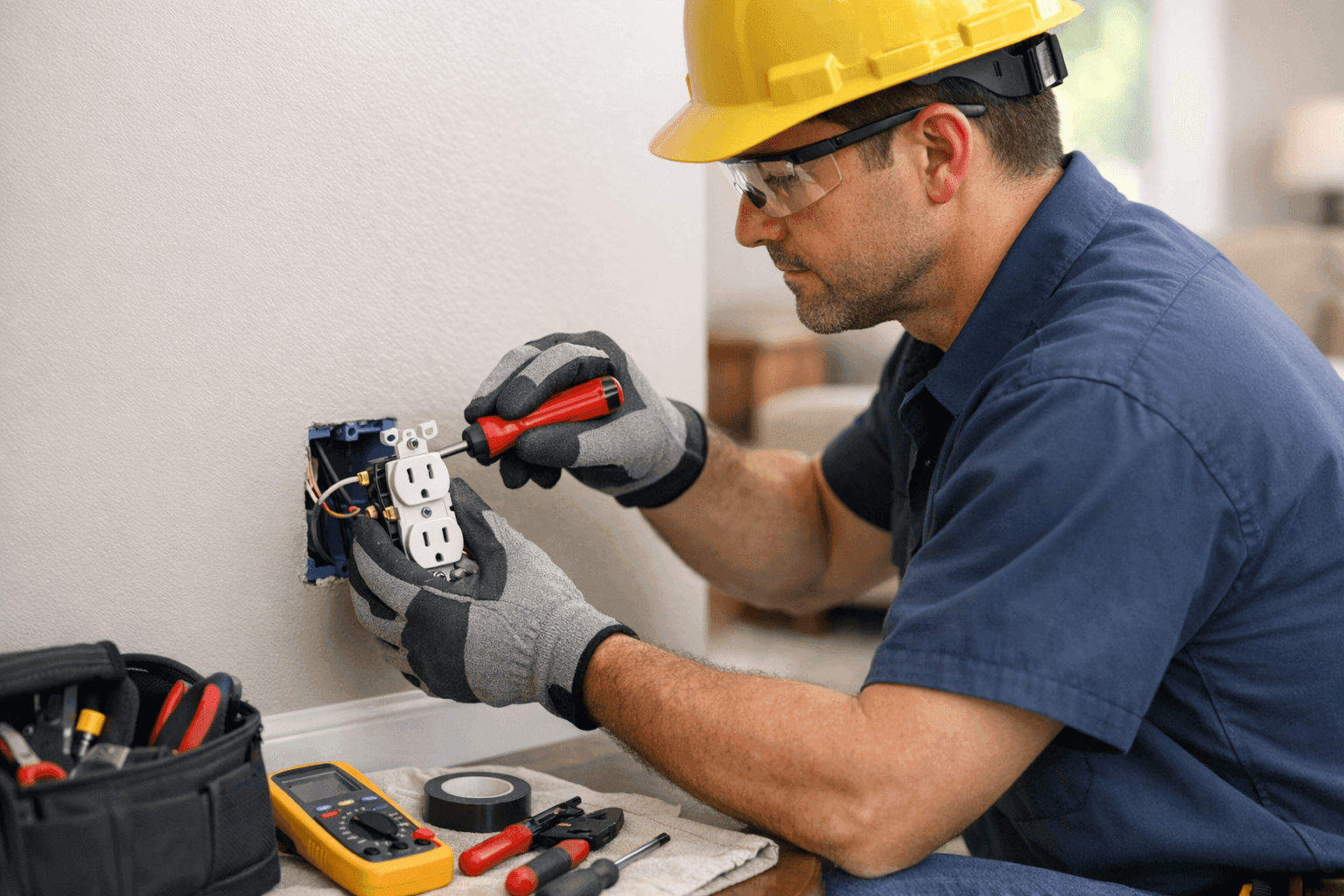
Adding a new outlet can feel like a small project, but it packs a punch. One wrong move, and you could be left in the dark—or worse, risking your safety. At TXC Electric, we know how tempting it is to tackle electrical jobs yourself. But before you pick up a screwdriver, let’s walk through what really goes into a safe, code-compliant outlet installation.
Whether you’re tired of tangled extension cords or planning a big remodel, understanding the essentials will keep you, your family, and your property protected.
Outlet Types and Locations 🛑
Let’s start with the basics: not all outlets are created equal. You’ve seen standard duplex outlets, but there’s a world of options tailored for kitchens, bathrooms, garages, and outdoor spaces.
- Standard Outlets: The everyday workhorse. Perfect for bedrooms, living rooms, and hallways.
- GFCI (Ground Fault Circuit Interrupter): Required by code in kitchens, bathrooms, laundry rooms, garages, and outdoor areas. They trip quickly to prevent shocks.
- AFCI (Arc Fault Circuit Interrupter): Designed for bedrooms and common living spaces. These protect against fires caused by arc faults.
- USB Outlets: For device-heavy households, these combine charging convenience with safety.
- Weather-Resistant Outlets: Built for the outdoors, with covers to keep moisture out.
Location matters. National Electrical Code (NEC) requires outlets at least every 12 feet along walls in living spaces, and within 2 feet of any countertop edge in kitchens. Always check your local codes—sometimes, they’re even stricter.
Planning the Circuit
Don’t just eyeball it. Before you cut into drywall, sketch out your plan.
- Map Your Circuit: Figure out which existing circuit you’ll tap into. Overloading a circuit is asking for trouble.
- Calculate the Load: Add up the wattage of devices you’ll plug in. NEC recommends keeping circuits at no more than 80% of their capacity.
- Scout the Route: Consider where wires will run. Avoid plumbing, HVAC ducts, and anything that could pose a hazard.
If you’re unsure whether your circuit can handle extra outlets, it’s time to call an electrician. Guesswork can lead to tripped breakers—or worse, a fire.
Safe Installation Steps
Ready to get your hands dirty? Here’s the step-by-step rundown, but remember: safety first.
- Turn Off Power: Head to your breaker box and shut off the circuit you’ll be working on. Double-check with a voltage tester.
- Mark the Spot: Use a stud finder to avoid structural surprises. Cut your hole with care—no one wants to patch drywall twice.
- Run the Wire: Follow the shortest, safest path. Use the right gauge wire for your circuit (usually 12 or 14 AWG).
- Connect Wires: Strip insulation, match colors (black to brass, white to silver, green/bare to ground), and secure with wire nuts.
- Install the Outlet: Fasten it snugly, but don’t overtighten. Attach the cover plate.
- Restore Power: Turn the breaker back on, but stand clear in case of sparks.
If at any point you feel uncertain—stop. Electricity doesn’t forgive mistakes.
Quick Safety Checklist
- Never work on live wires.
- Always use a circuit tester.
- Wear insulated gloves if possible.
- Keep water and dampness away from the work area.
- Know where your main breaker is in case of emergency.
Testing and Troubleshooting ⚡
Moment of truth: does it work? Plug in a lamp or device you trust. If the outlet is dead, trip the breaker, or smells burnt, something’s wrong.
Common issues:
- Loose wires: Double-check all connections.
- Overloaded circuit: Too many outlets or devices on one line.
- Incorrect wiring: Hot and neutral wires reversed, or ground not connected.
A GFCI outlet should trip when you press the “test” button and reset when you press “reset.” If not, you may need a pro to diagnose the issue.
When to Call a Pro
Certain scenarios call for a licensed electrician. For example:
- Adding outlets to kitchens, bathrooms, garages, or outdoors (these require GFCI or weatherproofing).
- Running new circuits from your panel.
- Any work involving aluminum wiring, old knob-and-tube, or unfamiliar breaker boxes.
- Upgrading to 240V or high-amperage outlets for appliances or EV chargers.
A professional brings more than just tools—they bring peace of mind, code compliance, and safety.
Code and Best Practices
The National Electrical Code isn’t just a suggestion—it’s the law in most places. Adhering to NEC guidelines means your home is safer, and your insurance stays valid. For reference, the NFPA (National Fire Protection Association) publishes the NEC updates every three years. Always make sure you’re following the latest edition required in your state or municipality.
DIY vs. Professional Installation
There’s pride in doing it yourself, but some projects are like swimming in deep water without a life jacket. A licensed electrician knows the ins and outs—grounding, bonding, load calculations, and local inspection requirements. If your project grows beyond a simple retrofit, or if you hit a snag, call in backup.
Explore our Outlets & Switches and Wiring & Circuits services for more info on what TXC Electric can handle for you.
Tools and Materials Checklist
For a basic outlet install, you’ll need:
- Voltage tester
- Wire strippers
- Electrical tape
- Screwdrivers
- Needle-nose pliers
- Fish tape (for running wires through walls)
- Electrical boxes and cover plates
- Appropriate gauge wire and outlet type
Don’t cut corners on materials—cheap parts can lead to headaches down the road.
Common Mistakes to Avoid 😬
- Overfilling boxes: Too many wires in a box is a fire hazard.
- Skipping GFCI protection: Code violation, plus a shock risk.
- Ignoring ground wires: Every outlet needs a ground for safety.
- Using the wrong wire gauge: Undersized wires can overheat.
- Not securing cables: Loose cables can work free and cause shorts.
Prevention & Maintenance
Once your outlet is installed, keep an eye out for any trouble:
- Warm or discolored outlets
- Loose plugs
- Buzzing sounds
- Frequent breaker trips
These are warning signs that something’s wrong. Schedule regular Installations to catch issues before they become emergencies.
Costs & Time Factors
Adding a basic outlet might take an experienced DIYer about an hour. For more complex jobs, allow extra time. Factor in the cost of materials—quality outlets, wire, boxes, and covers add up. Hiring an electrician costs more, but you’re paying for expertise, safety, and peace of mind.
Emergency Situations
If you smell burning, see sparks, or lose power to half your home, shut off your main breaker and call TXC Electric right away. Some issues can't wait.
FAQ: Your Outlet Questions Answered
Q: Can I add an outlet anywhere? A: Not exactly. Outlets must be spaced per code, and certain locations require specific types (GFCI, AFCI, weatherproof).
Q: What if my breaker keeps tripping after adding an outlet? A: The circuit may be overloaded or improperly wired. This is a sign to pause and consult a professional.
Q: How often should outlets be inspected? A: At least once every few years, or if you notice any signs of trouble.
Timeline & Disruption
Most single-outlet installs can be done in a few hours. Large projects or those needing new circuits may take a day or more. Expect a little dust and some wall repair, but a qualified electrician will minimize disruption.
Seasonal Considerations
Adding outdoor outlets? Plan for dry weather. Wet conditions can make installation dangerous. Indoor installs are less affected by seasons, but always work in well-lit, dry spaces.
Signs You Need an Upgrade
Old homes with two-prong (ungrounded) outlets, or outlets that wiggle, spark, or won’t hold a plug—these are overdue for an upgrade. Modern appliances demand more power and better safety. If you’re in the East Honolulu area, TXC Electric is here to help.
Final Thoughts
Adding new outlets isn’t just about convenience—it’s about safety, code compliance, and long-term peace of mind. Know your limits. When in doubt, bring in a licensed electrician for work like this. You’ll sleep better knowing it was done right.
Call TXC Electric now — or reach us anytime at 855-557-6564 .