How Often Should You Schedule Electrical Maintenance?
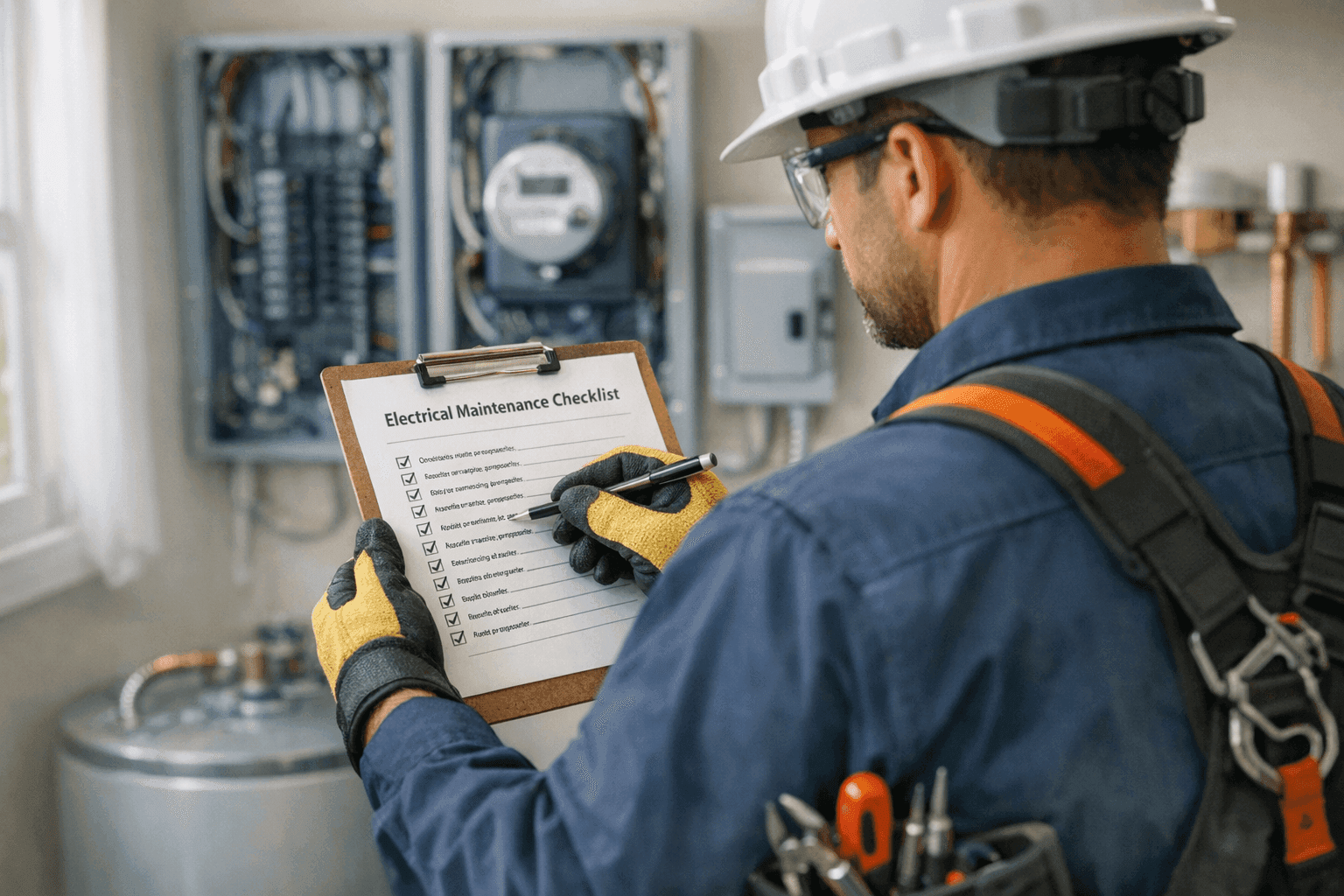
Electricity is easy to take for granted—until something flickers, sparks, or stops working altogether. Whether you’re a homeowner, landlord, or business manager, electrical problems can grind daily life—or your business—to a halt. That’s where routine electrical maintenance steps in, catching issues before they become disasters.
At TXC Electric, we’ve seen firsthand how regular checkups save families money and keep businesses running smoothly. Let’s break down how often you should schedule maintenance, what it covers, and why it’s worth your attention.
Why Maintenance Matters ⚡
Think of your electrical system like the heart of your property. When it’s healthy, everything runs seamlessly—lights, appliances, security systems, even your phone charger. But just like a heart, neglect can lead to bigger problems.
Routine maintenance:
- Reduces fire risks (according to the National Fire Protection Association, electrical issues are a leading cause of home fires).
- Prevents power outages and costly downtime.
- Protects expensive equipment, from your fridge to factory machines.
- Maintains compliance with codes and insurance requirements.
- Keeps warranties valid—many manufacturers require periodic checks.
Skipping regular electrical maintenance is like ignoring the oil light in your car. Everything might seem fine—until it isn’t.
Recommended Frequency: How Often Is Enough?
The answer depends on your property and how you use electricity.
For Homes:
- Annually: An annual inspection is the gold standard for most homes. If your house is older, or you’ve recently added major appliances or renovated, consider more frequent checks.
- After major storms or renovations: Always schedule a check if your area’s been hit by severe weather, or after big home upgrades.
For Businesses:
- Every 6–12 months: Commercial spaces, especially those with heavy machinery, high occupancy, or sensitive equipment (like restaurants or offices), should be checked twice a year.
- Special facilities: Industrial sites, medical offices, and schools may need quarterly inspections depending on regulations and usage.
Always refer to the National Electrical Code (NEC) and your local safety standards for specific guidance.
What’s Included in Electrical Maintenance?
When you schedule electrical maintenance with TXC Electric, here’s what typically happens:
- Visual inspections: Electricians look for frayed wires, burnt outlets, corrosion, and loose connections.
- Testing circuits: Ensuring breakers, GFCIs, and AFCIs work properly.
- Outlets & switch checks: Confirming all are safe and functional.
- Panel inspection: Checking for overheating, moisture, or signs of wear.
- Surge protection evaluation: Making sure your electronics are safe from power spikes.
- Grounding tests: Verifying proper grounding for safety.
- Smoke & carbon monoxide detector checks: Replacing batteries or units as needed.
- Lighting: Ensuring all indoor and outdoor lighting is up to code and energy efficient.
Some businesses need more, like testing motor control systems, checking backup generators, or evaluating Residential Services.
DIY vs. Professional Maintenance: Know Your Limits
Changing a light bulb? That’s DIY territory. But opening up your electrical panel or rewiring a circuit? Leave that to the pros.
DIY-friendly tasks:
- Test your smoke detectors monthly.
- Replace batteries in detectors twice a year.
- Check for warm outlets or switches.
- Keep electrical panels accessible (don’t block with storage).
Professional-only tasks:
- Inspecting or replacing wiring.
- Panel upgrades or breaker replacements.
- Diagnosing circuit problems.
- Installing surge protection or EV chargers.
- Rewiring, especially in older homes or after water damage.
Professional electricians have special tools and training. They spot risks you might miss, and their work meets code—protecting your family, business, and insurance coverage.
Signs Maintenance Is Due 🚨
Some warning signs are easy to overlook. Watch for these red flags, and don’t wait to call your electrician:
- Flickering or dimming lights.
- Frequently tripped breakers.
- Buzzing sounds from outlets, switches, or panels.
- Burning smells near outlets or the breaker box.
- Outlets or switches that are hot to the touch.
- Frequent power outages or surges.
- Aging wiring (especially in homes over 40 years old).
- Rust or corrosion on electrical panels.
If you spot any of these, schedule a Safety Check right away.
The Real Cost of Skipping Maintenance
It’s tempting to put off maintenance—until a small issue turns into a big, expensive problem. Electrical fires, equipment loss, or business downtime can cost thousands. Regular upkeep is far less expensive than emergency repairs or property damage.
What Happens During a Professional Visit?
When TXC Electric arrives for maintenance, here’s how we help:
- Review your property’s history and discuss any recent changes or concerns.
- Perform a thorough visual inspection and use testing equipment.
- Address immediate hazards on the spot.
- Provide a written report with findings and recommendations.
- Identify code violations or outdated equipment.
- Offer advice on upgrades for efficiency and safety.
We’ll also update you on any changes in code or safety standards, so your property always stays current.
Maintenance and Your Warranty: Don’t Void It
Many appliance and system warranties require regular professional maintenance. Without proof of service, you could be left footing the bill for repairs that would have been covered. Keep a record of each maintenance visit and any work performed.
Seasonal and Special Considerations
- Before summer: Ensure your air conditioning and pool or spa wiring are ready for heavy use.
- Before winter: Check heating systems, backup generators, and outdoor lighting.
- After storms: Flooding or lightning can silently damage wiring or panels.
- When buying or selling: Always get a professional inspection for peace of mind.
Common Mistakes: What to Avoid
- Overloading outlets with too many devices.
- Ignoring buzzing, sparks, or flickers.
- Using extension cords as permanent solutions.
- Skipping maintenance after renovations.
- DIY repairs beyond your skill set.
Remember, it’s cheaper—and safer—to prevent problems than to fix them later.
Quick Safety Checklist for Homeowners and Businesses
- Test smoke and carbon monoxide detectors.
- Check all GFCI outlets (especially in kitchens, bathrooms, and outdoors).
- Look for frayed cords and replace them.
- Don’t use damaged appliances.
- Keep panels clear and labeled.
- Know where your main shutoff switch is.
Electrical Maintenance for Sioux Falls
If you’re searching for an electrician company in Sioux Falls, TXC Electric has you covered. Our team knows the unique needs of homes and businesses in the area, and we’re ready to help keep your property safe and efficient.
Prevention: The Best Investment
Think of electrical maintenance as an investment in peace of mind. Regular checks catch small problems before they become big headaches. They keep your family, employees, and visitors safe—and your property up and running.
The National Fire Protection Association, the National Electrical Code, and local building authorities all recommend routine inspections. Don’t wait for a sign of trouble.
Call TXC Electric now — or reach us anytime at 855-557-6564 .