Electrical Safety Inspection Checklist: Protect Your Family & Property
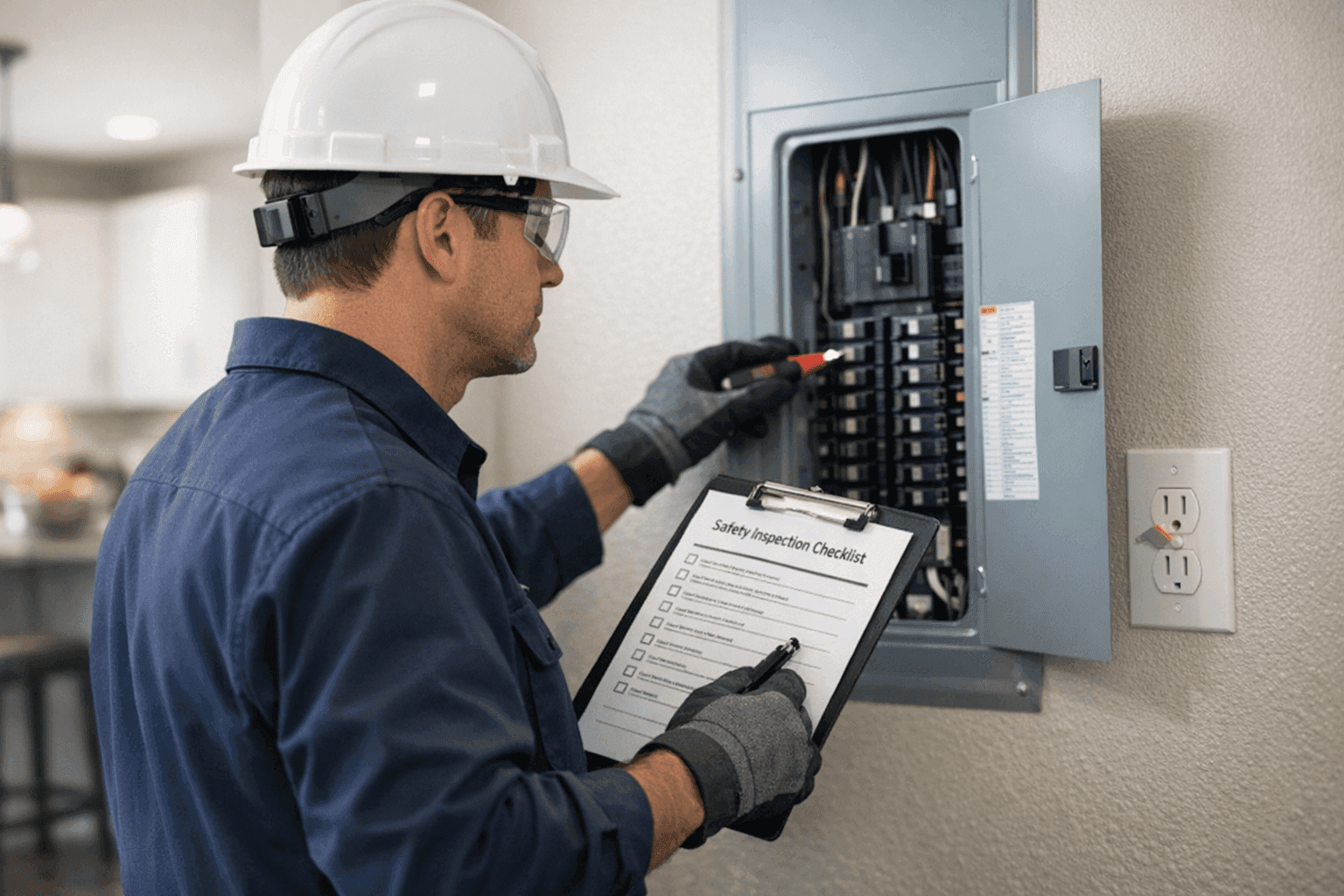
Picture this: you flip a switch and expect the room to light up. But what if, instead, you get a spark or nothing at all? Electrical hazards don’t wait for a convenient time. Whether you own a cozy home or manage a busy business, regular safety checks are your best defense against hidden dangers.
At TXC Electric, we know that peace of mind comes from knowing your system is safe. Let’s walk through a clear, actionable checklist—so you can protect what matters most.
Why Electrical Inspections Matter ⚡
Out of sight means out of mind—until something goes wrong. Electrical fires are a leading cause of property damage in the U.S. each year (National Fire Protection Association). But most hazards are preventable with routine inspections.
A thorough electrical safety inspection by a qualified electrician can spot problems before they spark trouble. For homeowners, it’s about keeping your family safe. For businesses, it means meeting code and avoiding costly downtime.
Key Checklist Items for a Safe Home or Business
Here’s what should be on your radar during any electrical safety inspection:
-
Outlets & Switches:
- Check for discoloration, buzzing, or warmth.
- Test GFCI outlets in kitchens, bathrooms, and outdoor spaces.
- Loose or sparking outlets? Time to act.
-
Breakers & Panels:
- Inspect for rust, corrosion, or tripped breakers.
- Ensure all breakers are labeled clearly.
- Look for signs of overheating, like a burnt smell or melted insulation.
-
Wiring & Circuits:
- Visible wires should not be frayed or chewed.
- No extension cords as permanent wiring!
- Check attic, basement, and crawl spaces for exposed wires.
-
Appliances:
- Test for unusual noises, sparks, or heat from cords.
- Unplug and inspect cords for cracks or bends.
- Make sure large appliances have dedicated circuits.
-
Lighting Fixtures:
- Replace flickering bulbs and check for loose fittings.
- Never exceed the recommended bulb wattage.
- Outdoor lighting should be weatherproof.
-
Smoke & Carbon Monoxide Detectors:
- Test monthly. Replace batteries twice a year.
- Every room and hallway should have a working detector.
-
Surge Protection:
- Use surge protectors for sensitive electronics.
- Consider whole-house surge protection for peace of mind.
Want to make this even easier? Download a printable checklist from the National Fire Protection Association or reference the latest National Electrical Code (NEC) for detailed guidance.
Common Red Flags: What Spells Trouble?
Some warning signs are as clear as a thunderclap. Watch for:
- Frequent breaker trips—especially after plugging in appliances.
- Outlets or switches that feel hot to the touch.
- Lights that dim or flicker, especially when major appliances run.
- A persistent burning smell (like melting plastic).
- Sparks or buzzing from outlets, switches, or the panel.
- Rodent droppings near wiring—gnawed wires are a hidden hazard.
- Discolored or scorched wall plates.
If you spot any of these, hit pause. Don’t ignore them. Turn off power to the affected area and call an electrician right away.
How Often Should You Inspect?
Think of electrical safety checks like oil changes for your car—they keep everything running smoothly.
-
Homeowners:
- Every 3–5 years for routine checks.
- Immediately after renovations, flood, or fire.
- When buying or selling a property.
-
Businesses:
- Annually, or as required by local code or insurance.
- Before taking on new tenants or remodeling.
- After major storms or electrical incidents.
In some cases—such as older homes, or properties with heavy equipment—more frequent checks are wise.
DIY vs. Calling a Professional
Some checks are safe for the average homeowner: testing outlets, changing bulbs, or resetting tripped breakers. But when it comes to wiring, panel work, or anything inside the walls, it’s time to call a professional.
Don’t risk your safety. A licensed electrician has the right tools and training to spot issues you might miss and fix them safely, in line with NEC standards.
What to Expect: When an Electrician Arrives
A skilled electrician does more than look around. They’ll:
- Review your main service panel and subpanels.
- Test outlets, GFCIs, and AFCIs for proper function.
- Use thermal imaging to spot overheating components.
- Inspect wiring connections, junction boxes, and grounding.
- Assess smoke and CO detectors.
- Document any code violations or safety concerns.
- Provide a clear report with recommendations.
This process is thorough but rarely disruptive. Most inspections wrap up in a few hours, with minimal downtime.
Electrical Safety for Every Season 🌦️
Each season brings new challenges for your electrical system:
- Spring: Heavy rains can lead to basement flooding—check for water near panels and outlets.
- Summer: Increased AC and pool use can overload circuits.
- Fall: Outdoor lighting and holiday decorations demand more from your system.
- Winter: Space heaters and holiday lights can push circuits to their limit.
Adjust your inspection routine as the seasons change, and always check after major storms.
Prevention & Maintenance: Staying Ahead
An ounce of prevention is worth a pound of rewiring. Keep your system in top shape:
- Don’t overload outlets—use power strips with built-in surge protection.
- Replace old cords and damaged plugs.
- Keep appliances and extension cords away from water.
- Schedule regular inspections with a licensed electrician.
Regular safety checks are your best bet for avoiding expensive repairs—or worse, fire or injury.
Electrical Emergencies: When It’s Critical
Some situations just can’t wait:
- Live wires exposed.
- Water in contact with outlets or panels.
- Burning smell or visible smoke.
If you face any of these, shut off your main breaker if safe, leave the area, and call for emergency electrical service.
Common Mistakes to Avoid
- Using the wrong wattage bulbs.
- Neglecting GFCI/AFCI testing.
- DIY fixes for wiring problems.
- Ignoring tripped breakers or blown fuses.
- Running cords under rugs or through doorways.
Electrical work is not the place for shortcuts.
Materials & Equipment: What Pros Use
A professional brings the right gear:
- Voltage testers
- Infrared thermometers
- GFCI/AFCI testers
- Insulation resistance meters
- Safety gloves and eyewear
Attempting inspections without the right tools can miss problems—or cause new ones.
Costs & Time Factors
Residential safety inspections are surprisingly affordable, especially compared to the cost of repairs or insurance claims after an incident. Most take just 1–2 hours, depending on the size of your property.
For businesses, annual inspections help meet code and insurance requirements—saving you headaches later.
Frequently Asked Questions
Q: Do I need an inspection if everything seems fine?
A: Yes. Many electrical issues hide behind walls and only show up when it’s too late.
Q: Can I do my own safety inspection?
A: You can check outlets, lights, and visible cords. For panels, wiring, and anything complicated, always hire a licensed electrician.
Q: What if my building is older?
A: Older wiring and panels are more likely to need upgrades or repairs. Inspections are even more important.
Next Steps: Protect Your Family & Property
Regular electrical safety inspections are the key to a safe, comfortable home or business. Don’t wait for a problem to show up—be proactive.
Ready for a thorough inspection? TXC Electric’s licensed electricians are here to help, whether you need electrical-safety-inspections, routine safety-checks, or comprehensive residential-services.
For those in Westchester County, our Residential Services in Yonkers are always available—handled by reliable local professionals.
Call TXC Electric now — or reach us anytime at 855-557-6564 .