Electrical Fault Finding: How Pros Diagnose Problems Fast
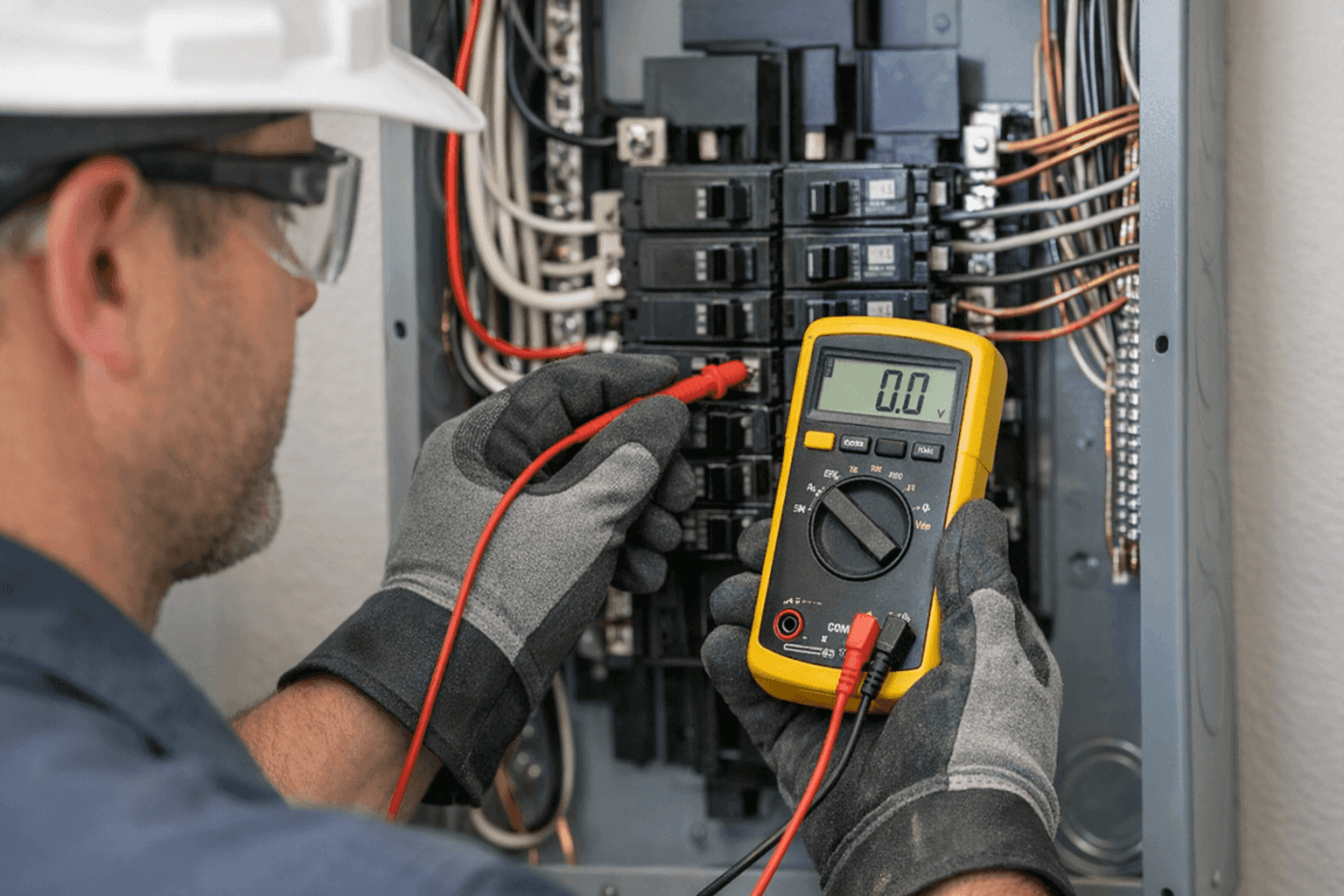
Electricity is the lifeblood of your home or business. When something goes wrong, the impact is instant—and often stressful. Flickering lights, tripped breakers, or outlets that don’t work can leave you uneasy. At TXC Electric, we know how important a fast, safe fix is. And we know you want answers, not just guesses.
Every electrical fault tells a story. The challenge is reading it before a small problem becomes a big headache. Here’s how the pros at TXC Electric quickly get to the root of the issue—so you can get back to normal.
What is Fault Finding? ⚡
Think of fault finding like detective work for your wiring. When something stops working or acts up, there’s almost always a hidden cause lurking behind walls or panels. Fault finding is the process of tracking down that cause—whether it’s a loose wire, a worn-out breaker, or something more complex.
A skilled electrician approaches this methodically, using both experience and the right equipment. The goal: uncover the fault fast, fix it right, and keep your space safe.
Quick Safety Checklist Before You Begin
Before anyone starts poking around with wires or switches, safety comes first. Here’s what every professional and homeowner should keep in mind:
- Turn off the power at the main panel before doing any checks.
- Use insulated tools and wear rubber-soled shoes.
- Never touch exposed wires or terminals.
- Make sure hands are dry and the area is free of water.
Even if you’re just trying to reset a breaker, caution is everything. The National Electrical Code (NEC) and Occupational Safety and Health Administration (OSHA) both lay out strict guidelines for good reason.
Tools of the Trade: What Pros Bring to the Job 🛠️
The right tools separate a guess from a diagnosis. Here are some essentials TXC Electric electricians use for electrical fault finding:
- Digital Multimeter: Measures voltage, current, and resistance—like a stethoscope for circuits.
- Non-Contact Voltage Tester: Instantly checks if wires are live without touching them.
- Thermal Imaging Camera: Detects heat signatures from overloaded wires or loose connections that the eye can’t see.
- Insulation Resistance Tester: Finds breakdowns in wire insulation, a common culprit in older homes.
- Circuit Tracer: Maps out hidden wiring behind walls or floors.
Each tool gives a different clue—together, they reveal the full story.
Step-by-Step Fault Diagnosis
No two jobs are ever exactly the same, but the approach is. Here’s how an experienced electrician tackles a fault:
- Gather Clues: Ask about recent changes, new appliances, or any smells or sounds.
- Visual Inspection: Scan outlets, switches, breaker panels, and visible wiring for obvious damage.
- Test for Power: Use testers to see where electricity stops flowing.
- Isolate the Circuit: Pinpoint which breaker or fuse controls the affected area.
- Component Testing: Check outlets, switches, and connected devices one by one.
- Thermal Scan: Look for hot spots that hint at hidden trouble.
- Confirm the Fault: Use meters and testers to zero in on the exact point of failure.
- Document Findings: Record what was found and recommend next steps.
This method isn’t guesswork—it’s a careful dance, honed by training and experience.
Common Faults Found in Homes and Businesses
After thousands of calls, some issues crop up again and again:
- Loose or corroded connections: These cause intermittent power and overheating.
- Worn-out breakers or fuses: Devices that trip frequently or won’t reset.
- Damaged wiring: Nicks and cuts from DIY projects or pests.
- Overloaded circuits: Too many appliances drawing power from a single line.
- Aging outlets and switches: Components that spark, buzz, or feel hot.
- Faulty GFCI or AFCI outlets: Safety features that fail or trip without reason.
Spotting these early can prevent everything from nuisance outages to serious fire hazards.
Repair vs. Replacement: What Happens Next? 🔌
Once the fault is found, it’s decision time. Is it better to repair or replace? Here’s how the pros weigh it:
- Repair: Great for minor issues—tightening a connection, replacing a single outlet, or swapping a breaker.
- Replacement: Needed when parts are outdated, damaged beyond repair, or no longer code-compliant.
Sometimes, the cost of ongoing maintenance outweighs fixing the same fault again and again. In those cases, upgrading wiring, panels, or outlets is the safer, smarter path.
Signs You Need Professional Fault Finding
Not every flicker or tripped breaker means disaster. But some signs scream for a professional’s eye:
- Burning smells or scorch marks near outlets
- Repeated breaker trips for no clear reason
- Lights that dim or brighten on their own
- Buzzing, humming, or crackling sounds from panels
- Outlets that feel unusually warm
If you spot any of these, stop. Call in a licensed electrician before small problems turn into emergencies.
What Pros Do On Arrival
When you call TXC Electric, here’s what to expect:
- Quick assessment: We’ll ask questions and listen for clues.
- Safety check: Before touching anything, we make sure the scene is safe.
- Step-by-step testing: Using pro-grade tools, we test every suspect point.
- Clear answers: You’ll get a plain-English explanation of what went wrong and how to fix it.
No jargon. No runaround. Just real solutions.
DIY vs. Call a Pro
Changing a light bulb is one thing. Diagnosing a hidden electrical fault? That’s another. Here’s when to step back:
- You’re not sure how your panel works.
- The issue keeps coming back.
- There’s any sign of burning, melting, or heat.
- The fault affects multiple rooms or appliances.
Electrical repairs aren’t just about getting the lights back on. They’re about making sure your home or business is safe for everyone inside.
Prevention & Maintenance: Stopping Faults Before They Start 🧰
Regular checks and maintenance are like oil changes for your electrical system. Here’s what helps:
- Schedule annual safety inspections.
- Keep an eye (and ear) out for changes in how outlets, switches, or lights behave.
- Upgrade old panels and wiring, especially in homes built before the 1980s.
- Don’t overload extension cords or power strips.
- Install surge protection to guard against voltage spikes.
Staying proactive means fewer surprises—and fewer late-night calls.
Costs & Time Factors
“How long will it take?” “What will it cost?” These are the big questions. Most fault finding calls can be resolved in an hour or two, depending on the complexity. Quick fixes cost less; extensive repairs or rewiring will take more time and investment. The most expensive mistake? Waiting until a minor fault causes major damage.
When It’s an Emergency
Some electrical problems can’t wait. If you smell burning, see smoke, or lose power to critical systems (like medical equipment or refrigeration), it’s time for emergency repairs. TXC Electric offers 24-hour service for these situations, prioritizing your safety above everything else.
Timeline & Disruption: What to Expect
Most fault finding visits are minimally invasive. You might need to turn off power for a short time, or clear access to outlets and panels. For bigger jobs—like rewiring—a longer timeline and more prep may be needed. Your electrician will explain what’s involved, step by step.
Materials & Equipment: Why Quality Matters
Cheap outlets, switches, or breakers might save a few bucks upfront. But using products that meet UL (Underwriters Laboratories) standards is non-negotiable. Quality parts lower the risk of faults, fires, and future repairs. TXC Electric sources only code-compliant, tested components for every job.
Common Mistakes Homeowners Make
- Ignoring small problems, hoping they’ll go away.
- Overloading circuits with too many devices.
- Attempting DIY fixes without the right knowledge or tools.
- Skipping annual safety checks.
A little vigilance goes a long way in preventing electrical headaches.
FAQ: Your Fault Finding Questions Answered
Q: How do I know if I have a hidden electrical fault?
A: Unexplained outages, flickering lights, or frequent breaker trips are classic signs.
Q: Is it safe to try fixing outlets or switches myself?
A: Only if you’re familiar with electrical safety and basic wiring. When in doubt, call a licensed electrician.
Q: How often should I schedule electrical maintenance?
A: At least once a year, or whenever you notice changes in how your system behaves.
Q: Do you service commercial properties too?
A: Absolutely. TXC Electric handles residential and commercial Fault Finding.
Seasonal Considerations: When Faults Spike
Storms, extreme heat, and heavy appliance use can all push your electrical system to the limit. Fall and winter bring power surges and outages; summer loads up circuits with air conditioning and pool equipment. Scheduling routine checks before the seasons change can save you from surprise outages.
Building Trust: The Value of Calling a Pro
When it comes to electricity, shortcuts aren’t worth the risk. At TXC Electric, our licensed electricians bring years of training and real-world experience to every call. We follow current National Electrical Code (NEC) standards and use only high-quality parts. Our goal: keep you safe, keep your systems running, and keep headaches at bay.
If you need an electrician company for fast, accurate fault finding, TXC Electric is here to help.
Call TXC Electric now — or reach us anytime at 855-557-6564 .