Electrical Code Compliance: What Every Homeowner Should Know
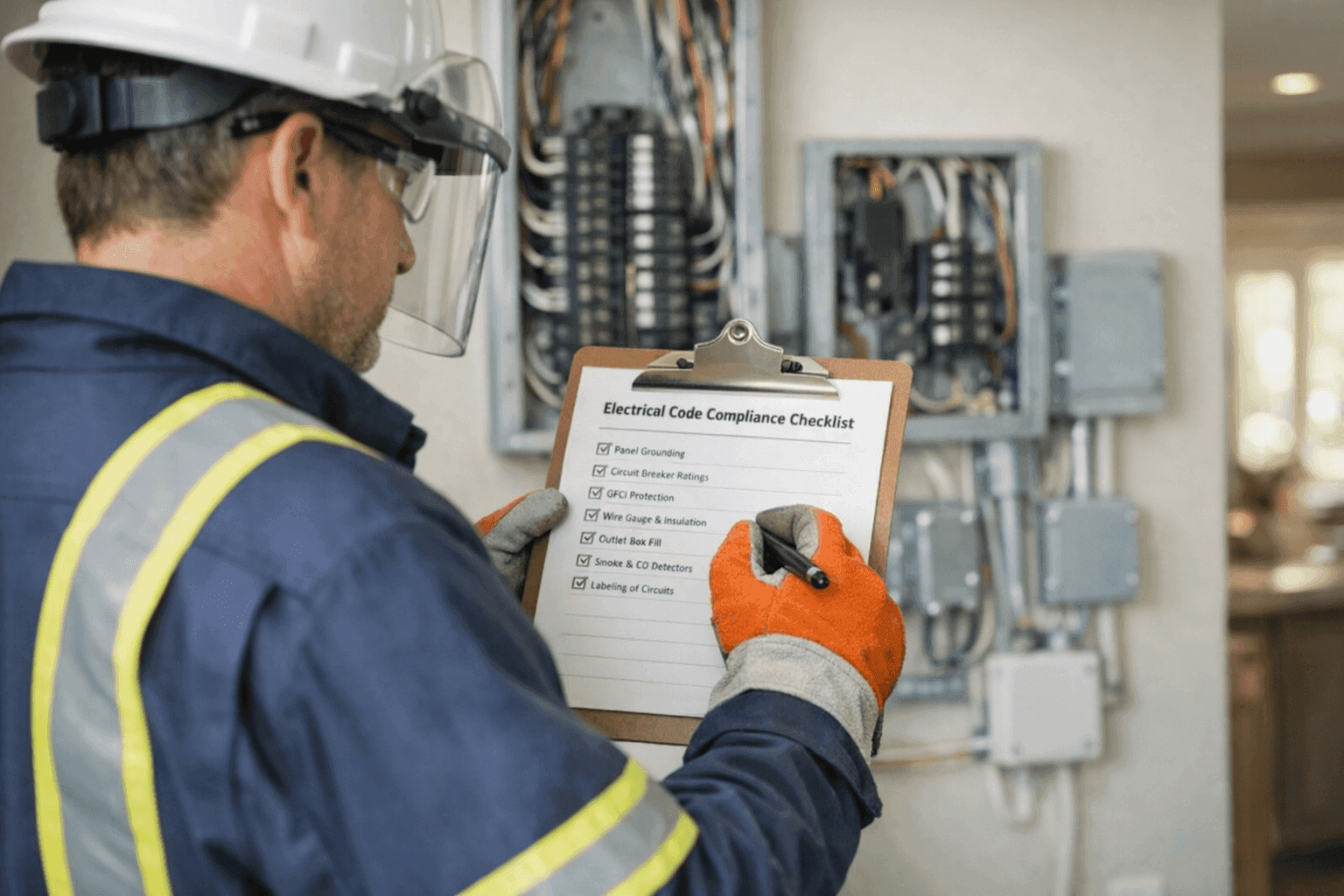
When it comes to your home’s electricity, there’s no such thing as “good enough.” Behind your walls, wires hum with power—power that keeps your family comfortable, safe, and connected. But if something goes wrong, it’s not just lights that flicker. Your safety, your investment, and your peace of mind are all on the line.
At TXC Electric, we know that code compliance isn’t just a line in an inspector’s notebook. It’s the difference between a safe home and a ticking time bomb. If you’re wondering what electrical code compliance really means for you, read on.
Why Code Compliance Matters ⚡
Electrical codes are like the rules of the road for your wiring. The National Electrical Code (NEC) sets the baseline for what’s safe, and local jurisdictions often add their own twists. These rules are built on real-life lessons—accidents, fires, and injuries that happened when shortcuts were taken.
Here’s why compliance is more than just red tape:
- Safety First: Codes keep you and your loved ones safe from hazards like shocks, fires, and equipment failure.
- Legal Protection: Non-compliance can lead to fines, failed inspections, or issues with insurance claims.
- Property Value: If you ever sell your home, buyers and inspectors will want proof that your electrical system is up to code.
- Peace of Mind: Knowing your wiring is legal and safe means one less thing to worry about.
Think of it this way: would you drive a car without brakes? Skipping code compliance is just as risky.
Key Code Requirements Homeowners Should Know
You don’t need to memorize the NEC, but every homeowner should be familiar with these basics:
- GFCI & AFCI Protection: Outlets near water or in bedrooms need special protection to guard against shocks and fires.
- Proper Circuit Sizing: Appliances like ovens, dryers, and HVAC units need dedicated circuits sized for their load.
- Grounding: All systems must be properly grounded to prevent dangerous stray voltage.
- Smoke & CO Detectors: These must be installed in specific locations and interconnected for maximum safety.
- Clearance & Accessibility: Panels and junction boxes must be easy to reach and never blocked.
- Labeling: Every breaker and main panel should be clearly labeled. No guesswork in an emergency.
For official guidance, check resources like the National Fire Protection Association (NFPA) and your local building department.
Common Violations: Don’t Fall Into These Traps
Even well-meaning DIYers can make simple mistakes that lead to major headaches:
- Overloaded Circuits: Plugging too much into one circuit risks overheating and fires.
- Improper Wire Connections: Twisting wires together without approved connectors is a recipe for failure.
- Missing Electrical Boxes: Never splice wires outside a box. It leaves dangerous connections exposed.
- No GFCI in Wet Areas: Bathrooms, kitchens, laundry rooms, and outdoors require GFCI outlets.
- Unpermitted Additions: Adding lights, outlets, or new wiring without a permit can lead to failed inspections and fines.
If you’ve inherited a “handyman special” or have doubts about past upgrades, get a professional Electrical Safety Inspection.
How to Ensure Compliance Every Step of the Way
Staying compliant doesn’t have to be overwhelming. Here’s how to keep your home safe and up to code:
- Plan Ahead: Before renovations or new installations, check which codes apply. Permits may be required.
- Hire Qualified Electricians: Look for licensed professionals who know the latest codes and standards.
- Schedule Regular Inspections: Electrical systems aren’t “set it and forget it.” Schedule periodic check-ups.
- Keep Records: Save permits, inspection reports, and certificates for your records—and for future buyers.
- Don’t DIY Complex Jobs: Swapping an outlet is one thing. Rewiring a panel or adding circuits is another. If in doubt, call an electrician.
Need help with permits or certificates? TXC Electric is here to guide you.
The Inspection Process: What to Expect
Inspections might sound intimidating, but they’re your safety net. Here’s how the process works:
- Application: Before starting major electrical work, apply for the proper permit with your local authority.
- Rough-In Inspection: After wiring but before walls are closed, an inspector checks for correct materials, secure connections, and proper layout.
- Final Inspection: Once everything’s finished, the inspector reviews all fixtures, panels, and devices for safety and code compliance.
- Certification: Pass the inspection, and you’ll receive a certificate confirming your system is up to code.
If issues are found, the inspector will provide a list of corrections. Make the fixes, schedule a re-check, and you’re good to go.
Quick Safety Checklist for Homeowners
Want a snapshot of your home’s electrical safety? Walk through these points:
- Are all outlets and switches working properly?
- Do you have GFCI outlets in kitchens, bathrooms, garages, and outside?
- Are all breaker panels labeled and easy to access?
- Have you tested smoke and CO detectors this year?
- Do extension cords run under rugs or through doorways (they shouldn’t)?
- Is there any buzzing, flickering, or sparking from outlets or lights?
- Do you see any exposed wires or open junction boxes?
If you answered “no” or “I don’t know” to any of these, it’s time to talk to an electrician.
DIY vs. Call a Pro: When to Tackle It Yourself
Some small tasks—like changing a light bulb or swapping a faceplate—are safe for most homeowners. But when it comes to wiring, breakers, or anything behind the walls, it’s best to call a pro.
Why? Because a tiny mistake can mean a big problem. It’s like patching a tire with duct tape—sure, it might work for a while, but when it fails, it fails big.
TXC Electric provides residential services that keep your home safe and legal.
The Pro’s Arrival: What to Expect
When you call in an electrician, here’s what a typical visit looks like:
- Listen to your concerns and ask about symptoms.
- Inspect panels, outlets, and visible wiring for obvious issues.
- Use professional tools to test voltage, grounding, and load.
- Make recommendations based on what they see.
A good electrician will also explain what’s urgent, what can wait, and how to stay compliant long-term.
Costs & Time Factors: It Pays to Do It Right
Electrical work isn’t just about the hourly rate. Think about the value:
- Upfront Costs: Permits, inspections, and professional labor all add up, but they’re cheaper than dealing with a fire or failed inspection.
- Time: Most jobs—like upgrades, emergency repairs, or panel replacements—take a few hours to a few days, depending on complexity.
- Long-Term Savings: Safe, compliant wiring lasts longer, runs efficiently, and protects your investment.
Skimping on safety is like skipping routine brakes maintenance—you might save a few bucks now, but the risks simply aren’t worth it.
When It’s an Emergency: Know the Signs
Electrical emergencies don’t wait for business hours. Know the warning signs:
- Burning smells near outlets or panels
- Sparking, buzzing, or flickering lights
- Repeated breaker trips or blown fuses
- Loss of power to critical areas
If any of these happen, turn off power at the main breaker and call a licensed electrician immediately. TXC Electric offers 24-hour emergency service.
Seasonal Considerations: Don’t Forget These Times of Year
- Winter: Heating systems and holiday lights put extra stress on circuits. Check for overloaded panels.
- Spring: Rain and humidity increase the risk of GFCI issues and outdoor wiring problems.
- Summer: Air conditioners and pool equipment need proper circuits and surge protection.
- Fall: Prepare for storms with backup generators and surge protectors.
Staying up to code is a year-round job.
Prevention & Maintenance: Keep Trouble at Bay
Don’t wait for something to go wrong. Here’s how to stay ahead:
- Schedule annual or biennial electrical safety inspections
- Test GFCI and AFCI outlets monthly
- Replace worn or damaged cords and plugs
- Upgrade old panels and wiring as recommended
- Review your home's electrical certificate and update as needed
Regular maintenance is the oil change for your wiring—it keeps everything running smoothly.
FAQ: Answers to Common Homeowner Questions
Q: Do I need a permit for every little job?
A: Minor repairs usually don’t require a permit, but adding new circuits, panels, or major appliances often does. Check with your local building authority.
Q: How often should I have my system inspected?
A: Every 3–5 years for most homes, or sooner if you notice problems or after major renovations.
Q: What if I buy a home with unpermitted work?
A: An electrical safety inspection can reveal hidden issues. You may need to bring the system up to code for peace of mind and insurance.
Signs of Trouble: When to Call an Electrician
- Lights dim or flicker when appliances turn on
- Breakers trip frequently for no clear reason
- Outlets feel warm or make unusual noises
- You see signs of rodents or water damage near wiring
- You live in a home with outdated or aluminum wiring
If you see these red flags, don’t wait. Call a professional electrician to assess the risk.
Timeline & Disruption: What’s the Real Impact?
Most electrical upgrades or repairs are finished in a day or two, with minimal disruption. For major work—like a full rewire or panel upgrade—expect some short-term power outages and a few days of work. Good electricians keep you informed every step of the way.
Materials & Equipment: What’s Required?
Quality matters. Electricians use:
- UL-listed wire, breakers, and devices
- Approved electrical boxes and fasteners
- Up-to-date tools for testing and troubleshooting
Cutting corners with cheap materials is a shortcut to trouble. Always ask about the products going into your home.
Building Value: Certificates and Compliance Matter
Not only does code compliance keep you safe, it also builds value. A current electrical certificate is proof that your home meets today’s standards—a selling point for buyers and a shield against insurance headaches.
If you’re in Owensboro, you can rely on our Certificates service for peace of mind and legal compliance.
Final Thoughts: Your Home, Your Safety
Electrical code compliance isn’t just paperwork—it’s your first line of defense. Every outlet, panel, and switch supports your family’s safety and comfort. Don’t leave it to chance.
Call TXC Electric now — or reach us anytime at 855-557-6564 .