Comprehensive Guide to Home Electrical Safety Inspections
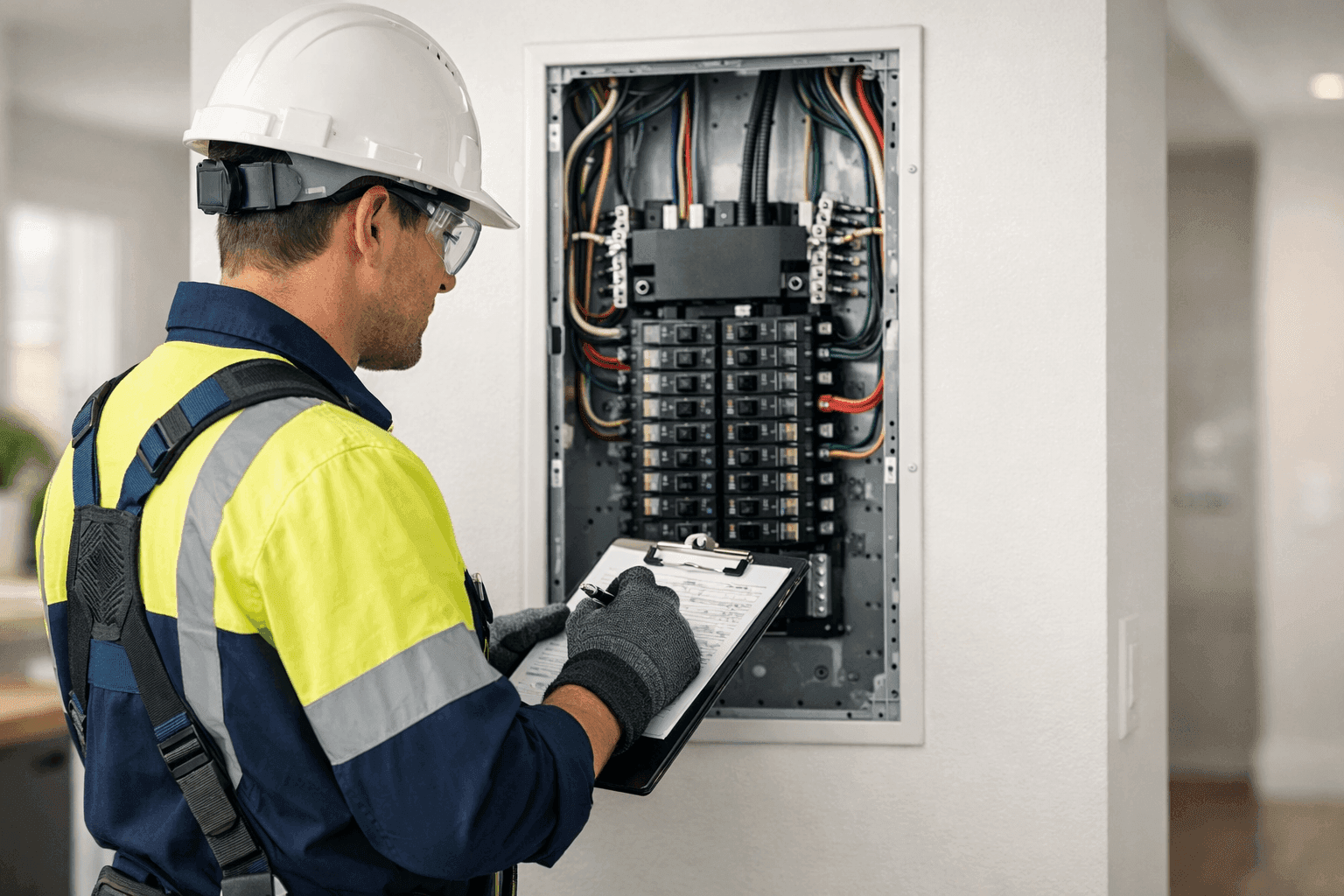
Electricity is the silent heartbeat of your home or business. When it’s working, you hardly notice it—lights flick on, appliances hum, and devices charge without a second thought. But like any hidden network, small issues can build up quietly, waiting for the perfect moment to spark trouble.
At TXC Electric, we believe that peace of mind starts with understanding your electrical system. This guide outlines what every property owner needs to know about electrical safety inspections, from what to expect to when to call in a certified electrician.
Why Electrical Inspections Matter ⚡
Electrical problems don’t always shout. Sometimes they whisper—maybe a faint burning smell, or an outlet that feels a little too warm. But behind those whispers could be risks you don’t see: outdated wiring, overloaded circuits, or loose connections that can lead to fires or shocks.
Regular electrical safety inspections aren’t just a box to tick—they’re your first line of defense. According to the National Fire Protection Association (NFPA), electrical failures are a leading cause of home fires and property damage. Inspections help catch issues before they can turn dangerous, keeping your property and everyone inside safer.
What Inspectors Look For
Wondering what happens during an inspection? Think of it as a health checkup for your electrical system. Here’s what a licensed electrician from TXC Electric will review:
- Condition of wiring and circuits
- Stability and safety of outlets and switches
- Functionality of safety devices (like GFCIs and AFCIs)
- Panel and breaker integrity
- Signs of wear, overheating, or corrosion
- Proper grounding and bonding
- Smoke and carbon monoxide detector placement and operation
- Surge protection measures
- Compliance with the latest National Electrical Code (NEC) standards
Our team holds industry certifications and strictly follows national and local codes for every inspection.
Quick Safety Checklist for Property Owners
Want a head start? Here are some things you can check before your inspection:
- Are any outlets or switches cracked, discolored, or warm to the touch?
- Do lights flicker or dim unexpectedly?
- Smell anything burning or “electrical”?
- Hear buzzing or popping from your panel or outlets?
- Do breakers trip often, or fuses blow?
- Are extension cords used as permanent wiring?
- Are smoke and carbon monoxide detectors installed and working?
If you answered yes to any of these, it’s time to call TXC Electric for a thorough electrical-safety-inspections.
Common Issues Found
Even newer properties can hide electrical flaws. Here are some frequent problems we encounter:
- Outdated aluminum wiring
- Overloaded circuits from too many devices
- Missing or faulty GFCI/AFCI protection (especially in kitchens, bathrooms, and outdoors)
- Loose connections behind outlets or switches
- Breakers that don’t match their circuit loads
- Improperly installed EV chargers or pool wiring
- Worn or exposed wires in attics, basements, or crawlspaces
Catching these issues early can prevent shock hazards, appliance damage, or worse—an electrical fire.
How to Prepare for an Inspection
Making the most of your inspection is simple. Here’s how to set the stage for a smooth visit:
- Clear access to electrical panels, outlets, and switches
- Unlock any rooms or areas with electrical equipment
- List any electrical issues you’ve noticed (even if they seem minor)
- Turn off sensitive electronics if advised by your electrician
- Ensure pets are secured so the inspection can proceed safely
A little preparation helps our team work efficiently and spot even the smallest red flags.
When to Schedule Inspections
Not sure how often your electrical system needs a checkup? Here’s a quick guide:
- Every 3–5 years for most homes and small businesses
- Before buying or selling property
- After major renovations or new appliance installations
- If your property is over 25 years old
- After heavy storms or flooding
- Anytime you notice warning signs (like tripping breakers, flickering lights, or burning smells)
For commercial properties, some insurance providers require annual safety checks. Regular maintenance can also help you avoid unexpected downtime and costly repairs.
Signs of Trouble: When to Call a Pro
Sometimes, warning signs are easy to miss. Here’s what should raise a red flag:
- Frequent breaker trips or blown fuses
- Outlets that spark, buzz, or don’t work
- Lights that dim when large appliances run
- Blackened or scorched outlets or switches
- Persistent burning smells near wiring or panels
- Any sign of water near electrical fixtures
Don’t ignore these signals. Electrical issues can escalate from nuisance to hazard in an instant.
DIY vs. Call a Pro
It’s tempting to fix a loose outlet or replace a light switch yourself. But electricity is less like a puzzle and more like a living river—one wrong move, and the results can be serious. Only a licensed electrician should handle electrical repairs, installations, or inspections. We use specialized equipment, follow strict codes, and document every step.
The difference is peace of mind—and real safety.
What to Expect During an Inspection
Wondering what it’s like when a TXC Electric professional arrives? Expect a thorough, respectful process:
- We’ll review your concerns and a history of any past issues.
- Walkthrough of all accessible electrical systems—inside and out.
- Inspect wiring, panels, outlets, and safety devices.
- Test for voltage drops, faulty devices, and proper grounding.
- Provide a clear report of findings—with recommendations, not pressure.
We’ll answer your questions, explain every step, and leave your property as tidy as we found it.
Prevention & Maintenance: The Value of Regular Checks
Electrical systems age, even when you can’t see it happening. Dust, humidity, rodents, and old insulation can all chip away at safety. Regular inspections are like oil changes for your wiring—preventing breakdowns before they start.
Consider adding surge protection, GFCI outlets, or an upgraded panel during your next check. These simple upgrades can add years to your system’s life and improve safety for everyone.
Costs & Time Factors
Worried about disruption? Most home inspections take just a couple of hours, depending on the size and complexity of your system. Businesses may require longer, especially for large facilities or specialized equipment.
Costs vary based on property size and any repairs needed. But catching an issue early can save thousands in property damage or lost time. Insurers often view documented inspections favorably, too.
When It’s an Emergency
Some situations can’t wait. If you smell burning, see smoke from outlets or panels, or experience repeated power loss, call an electrician immediately. Never attempt emergency electrical work yourself. TXC Electric offers 24-hour emergency service to restore safety fast.
Electrical Inspections for Every Season
Did you know electrical hazards can change with the weather? Winter brings extra loads from heaters and holiday lights. Summer storms can cause surges or water damage. Scheduling annual Safety Checks is one way to stay ahead, no matter the season.
Common Mistakes Property Owners Make
- Ignoring small issues until they get worse
- Using extension cords as permanent wiring
- Overloading outlets with power strips
- Skipping regular maintenance
- Attempting DIY fixes without proper training
Avoid these pitfalls by scheduling inspections and repairs with a certified electrician.
Timeline & Disruption: What Happens After the Inspection?
Most issues can be solved quickly—sometimes on the same day. More complex repairs may require follow-up visits or special parts, but our team works efficiently to minimize disruptions. We’ll always keep you informed, so you can plan with confidence.
Materials & Equipment: What Do Inspectors Use?
Professional electricians rely on specialized tools:
- Voltage testers and multimeters
- Infrared cameras to spot overheating
- Insulation resistance testers
- GFCI/AFCI testers
- Ground fault locators
These tools help us find hidden risks and ensure every check is thorough.
FAQ: Your Electrical Safety Inspection Questions, Answered
Do I need to be home?
It’s helpful, but not required—just make sure we have access.
Is an inspection disruptive?
Not at all. Most work is visual and low-impact.
Will you fix small issues on the spot?
We’ll let you know what can be fixed immediately and what should be scheduled.
How do you ensure quality?
All work adheres to the latest NEC codes, and our electricians are fully certified and insured.
Closing Thoughts
Electrical safety isn’t just about compliance—it’s about protecting your loved ones, employees, and property. Regular inspections keep your system healthy and give you peace of mind. If you haven’t had an inspection in a while, or if you spot any warning signs, don’t wait.
Call TXC Electric now — or reach us anytime at 855-557-6564 .